The short version
- Parents increasingly rely on air quality indices to determine safe times for children to play outdoors during wildfire season.
- Health officials warn that repeated exposure to particulate matter can impair lung development and affect learning and mental health.
- Schools and communities are adapting by improving filtration systems as smoky summers become a recurring norm rather than an anomaly.
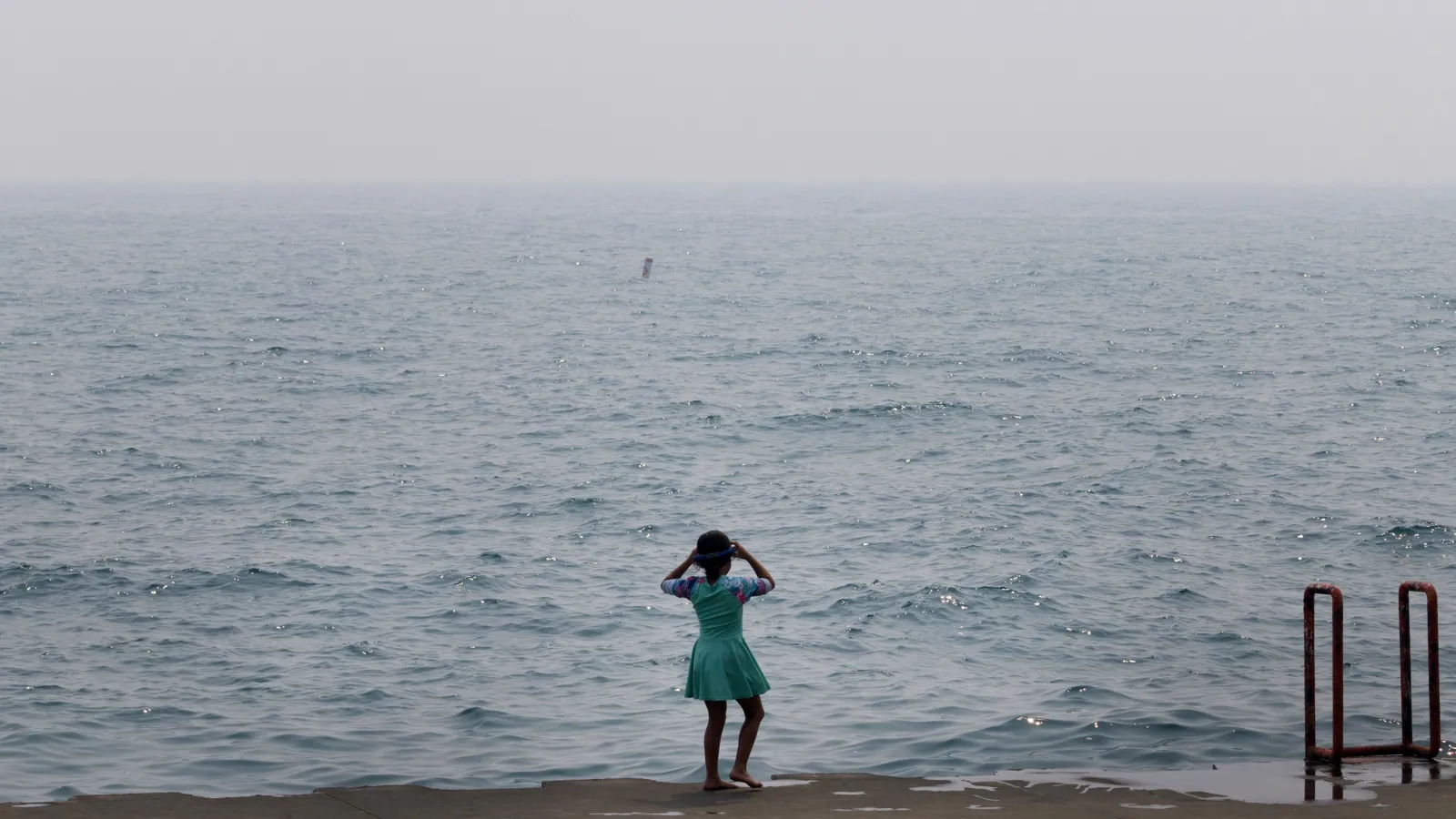
Summer traditions in Montana are shifting as wildfire smoke becomes a more frequent presence, prompting parents to monitor air quality before allowing children outside. What was once characterized by extended outdoor play is now often interrupted by health advisories urging families to stay indoors. This change reflects broader trends across the American West, where longer and more severe fire seasons are altering daily life.
Medical experts highlight specific risks for children, whose developing lungs are particularly vulnerable to fine particulate matter known as PM2.5. These particles can penetrate deep into the respiratory system and enter the bloodstream, potentially affecting brain development and unborn babies. Symptoms range from asthma flare-ups to reduced lung function, with studies linking smoke exposure to increased emergency visits.
Beyond physical health, researchers note impacts on mental well-being and educational opportunities. A 2024 UNICEF report emphasized that repeated smoke exposure can reshape childhood experiences by limiting social interaction and play. In response, schools are investing in better air filtration, while public health officials work to mitigate the growing burden of wildfire-related illnesses.
Sources behind this briefing
Go to the original reporting
- Grist↗How wildfire smoke is reshaping childhood