The short version
- The federal buyout program has successfully relocated thousands of homeowners to lower-risk areas while reducing long-term disaster costs for taxpayers.
- Residents in majority-white census tracts received more than double the average buyout payment compared to those in majority-Black neighborhoods.
- Systemic issues including low pre-disaster property values and lengthy processing times hinder equitable outcomes for marginalized communities.
A comprehensive study published in Science Advances indicates that the Federal Emergency Management Agency’s long-standing disaster buyout program is achieving its primary goal of moving residents out of harm’s way. The research, led by environmental economist Rachel Young at the University of Minnesota, suggests that the federal investment generally pays for itself by preventing future damage claims. However, the findings also highlight a persistent and troubling inequity: the benefits of relocation are not distributed evenly across demographic lines.
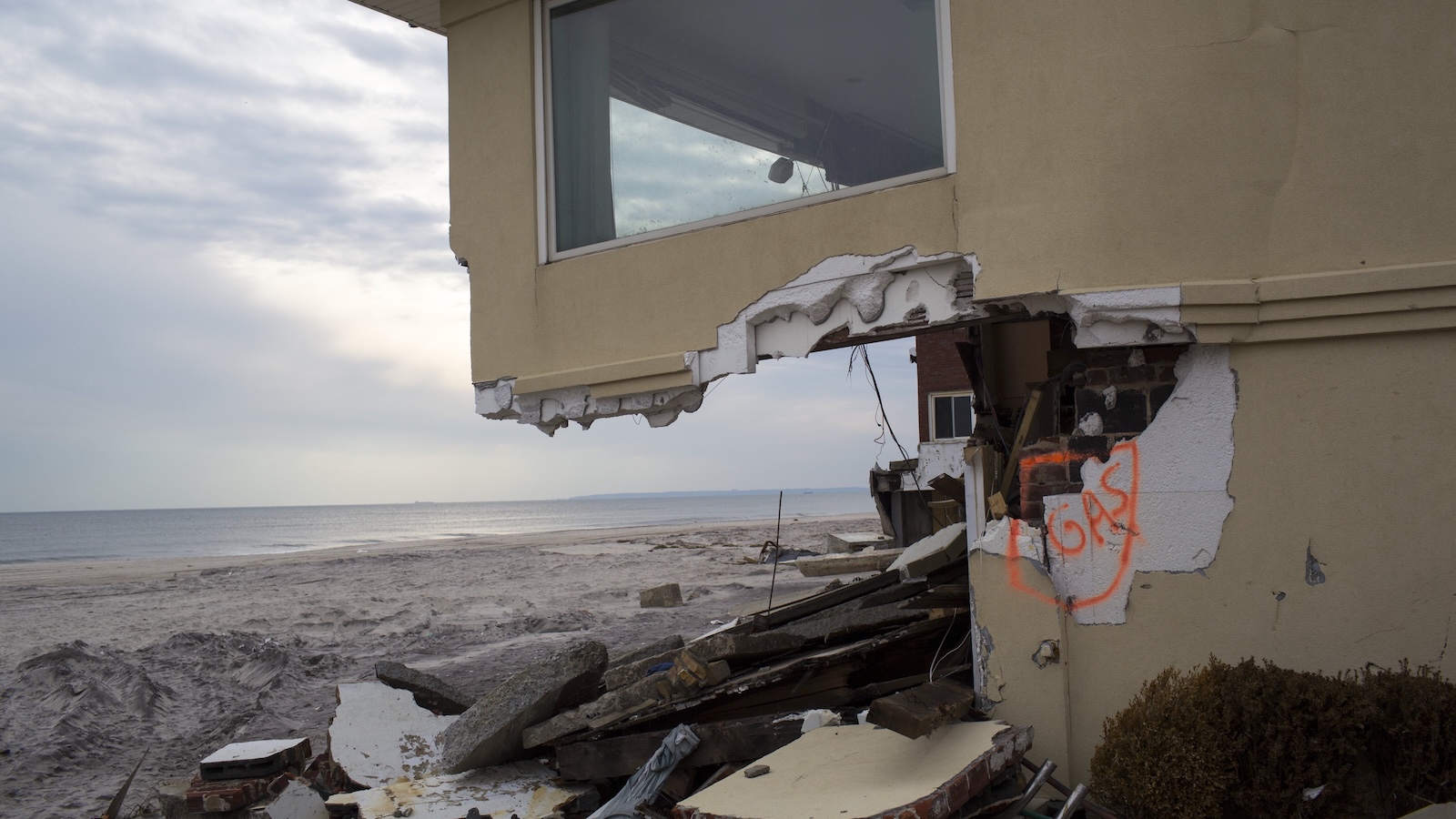
Since its inception in 1988, the Hazard Mitigation Grant Program has spent more than $6 billion to acquire over 53,000 properties nationwide. The initiative was designed to break the cycle of repeated federal aid payments to the same locations. In some extreme cases, such as a single home in northeast Houston that received nearly $1.8 million in flood insurance payouts, the cost of recurring repairs far exceeded the property’s market value. By purchasing these homes at pre-disaster market values and encouraging owners to relocate, the government aims to reduce long-term liability.
The data shows that participants in the buyout program were approximately 20 percentage points more likely to move within five years compared to similarly affected homeowners who did not participate. This trend persisted for at least 15 years, with relocating residents often moving to areas characterized by higher incomes, better employment rates, and greater educational attainment. In the short term, these participants also saw a reduction in debt levels, suggesting immediate financial relief alongside improved long-term safety.
Despite these aggregate successes, the study reveals stark demographic divides. Households residing in majority-Black or low-income neighborhoods were significantly less likely to relocate than those from higher-income areas. When they did move, the improvements in their economic circumstances were smaller. The average buyout payment in census tracts with a high proportion of white residents was $93,977, whereas the average payment in majority-Black areas was just $40,583. This disparity reflects broader housing market inequalities that predate any disaster event.
The mechanics of the program contribute to these gaps. Because offers are based on pre-disaster market values, properties in marginalized communities often yield lower payouts. For many homeowners, this amount is insufficient to cover the cost of purchasing a safer home elsewhere. Consequently, while the government views the initiative as a property acquisition strategy to protect taxpayer funds, residents often experience it as a critical component of disaster recovery. The mismatch in expectations can leave victims feeling undervalued and unsupported.
Jim Elliott, a sociologist at Rice University who specializes in disaster inequities, noted that the program’s structure amplifies existing inequalities. He pointed out that the lengthy processing times can leave disaster victims in precarious financial positions for years while awaiting decisions. Even when buyouts are approved, the lower valuations in historically undervalued neighborhoods mean that Black homeowners have less capital to facilitate a move to safer ground compared to their white counterparts.
The estimated increase in relocation rates was approximately 18 percentage points in tracts with smaller Black populations, but only 6 percentage points in majority-Black tracts. A.R. Siders, director of the Climate Change Science and Policy Hub at the University of Delaware, emphasized that while previous studies had shown these trends on smaller scales, this national-level analysis provides crucial confirmation. Both experts agree that while the program works in principle, it requires significant adjustments to address equity concerns.
Moving forward, advocates suggest that reducing wait times and prioritizing equitable valuations are essential steps. The current model fails to reach millions of people living in disaster-prone homes who do not qualify for or cannot navigate the buyout process. Without addressing the root causes of property value disparities and streamlining the acquisition timeline, the program risks continuing to benefit those already advantaged while leaving vulnerable communities behind.
The findings underscore a complex challenge in climate adaptation policy: effective risk reduction must also address social justice. While the federal government has successfully avoided billions in future disaster costs, the human cost of unequal recovery remains high. Policymakers now face the task of redesigning incentives to ensure that relocation assistance serves as a true lifeline for all residents, regardless of their neighborhood’s historical wealth.
Sources behind this briefing
Go to the original reporting
- Grist↗FEMA’s disaster buyout program is working — but there’s a catch