The short version
- Tesla plans to end Cybertruck production next year to focus resources on its robotaxi initiative, citing weak sales figures that fell far short of initial projections.
- The broader market for electric pickups has struggled with high price points and consumer skepticism, leading Ford to discontinue the F-150 Lightning and Rivian to see declining sales.
- Industry analysts suggest that future success depends on lowering costs to match gas-powered alternatives and addressing practical concerns regarding towing capacity and charging infrastructure.
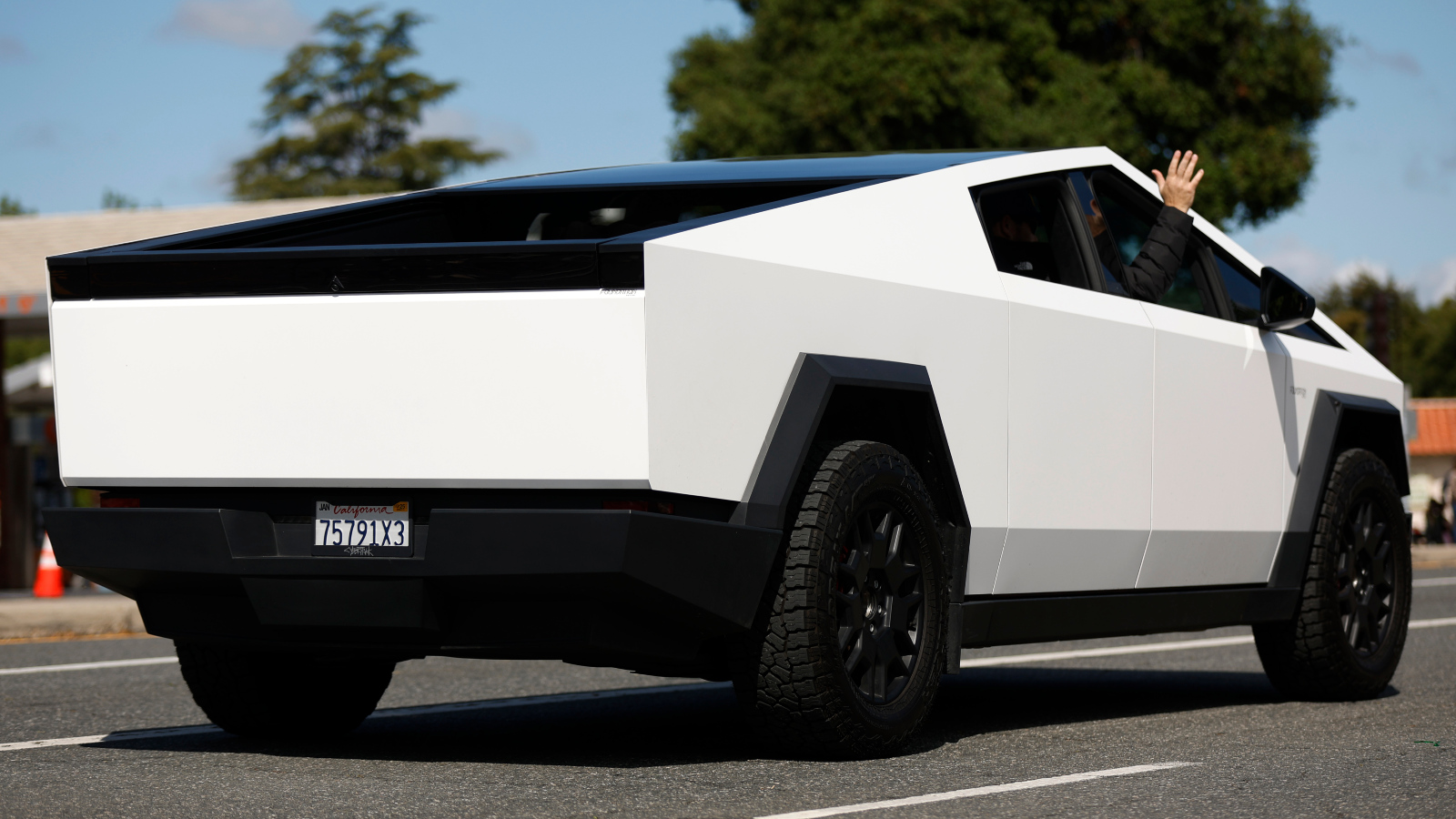
Tesla has announced plans to discontinue production of the Cybertruck, ending the vehicle’s brief tenure on American roads after less than three years. The decision, revealed by CEO Elon Musk, marks a strategic pivot toward manufacturing Cybercabs, autonomous vehicles intended to redefine personal transportation. This shift underscores the difficulties Tesla faced in meeting its own ambitious sales targets; while executives initially projected annual deliveries of 250,000 units, actual sales last year totaled just over 20,000 vehicles.
The Cybertruck’s departure from the market coincides with a wider retreat by major automakers from the electric pickup segment. Ford Motor Company ceased production of its F-150 Lightning earlier this year after determining the model was unprofitable. Similarly, Rivian has experienced a steady decline in electric pickup sales since 2023, and General Motors’ Hummer EV has been identified as one of the poorest-performing trucks of 2026. These setbacks suggest that the initial wave of premium, high-capacity electric trucks failed to capture sustained consumer interest.
Consumer reception to the Cybertruck was sharply divided from its inception. Critics frequently mocked the vehicle’s unconventional, angular design, comparing it unfavorably to industrial dumpsters and political symbols. Despite this polarizing aesthetic, the truck attracted a specific niche of buyers, including several professional wrestlers who publicly endorsed the brand. However, even among these early adopters, satisfaction was not universal, with some owners later describing their purchase as a poor financial decision.
A primary obstacle for electric pickups has been pricing. The starting price for the 2026 Cybertruck recently increased to $92,500, while the Hummer EV begins at $97,200. These figures stand in stark contrast to gas-powered alternatives; a comparable Ford pickup starts at approximately $52,000, representing a significant cost difference for buyers. Automakers attempted to rebrand electric vehicles as rugged and masculine to appeal to traditional truck owners, moving away from the eco-friendly image associated with earlier models like the Toyota Prius. However, this marketing strategy could not overcome the substantial price premium required to fund large battery packs necessary for towing and range.
Beyond cost, practical concerns regarding utility have dampened enthusiasm. Potential buyers remain skeptical about charging infrastructure and whether electric trucks can reliably handle heavy-duty tasks such as towing. Industry experts note that early electric models were not priced or engineered to meet the everyday needs of typical truck owners. The high monthly payments associated with these vehicles often outweighed the appeal of innovative design or environmental benefits, limiting their market penetration.
Despite current struggles, industry observers caution against declaring the electric truck experiment a total failure. Alexander Edwards, president of Strategic Vision, views the discontinuation of models like the F-150 Lightning as a learning process rather than a definitive end. The challenge lies in aligning vehicle capabilities with owner expectations, ensuring that electric trucks can perform essential jobs without compromising on range or payload capacity.
Looking ahead, automakers are adjusting their strategies to address these market realities. Ford is preparing to launch the Fathom, an upcoming electric pickup priced at $28,400, which would undercut the average cost of gas-powered competitors. Additionally, the secondary market for discontinued models like the Lightning has seen increased activity, with used units selling quickly at steep discounts. This trend suggests that affordability remains a critical factor in consumer decision-making.
Political and cultural attitudes toward electric vehicles are also evolving. Historical data indicates that EV adoption has been heavily concentrated in Democratic-leaning counties, creating a partisan divide in transportation choices. However, recent polling shows a slight softening of resistance among Republican voters, with fewer individuals viewing electric cars as incompatible with their values. As prices drop and technology improves, electric trucks may still play a role in broadening EV acceptance across diverse demographic groups.
The transition away from the Cybertruck signals a maturation phase for the electric vehicle industry. Early attempts to force-fit electric powertrains into premium, niche products have given way to a focus on affordability and practicality. As manufacturers refine their offerings to compete directly with internal combustion engines on price and performance, the next generation of electric trucks may find greater success in the mainstream market.
Sources behind this briefing
Go to the original reporting
- Grist↗The Cybertruck era is over, but America’s electric truck experiment isn’t