The short version
- A new analysis suggests over a quarter of cactus species may lose at least eighty percent of their habitat by 2100 due to worsening droughts.
- The study utilizes half a million citizen science observations to model how rising temperatures and dry spells affect plant reproduction and survival.
- Experts warn that sublethal stressors, such as reduced flowering and higher nighttime temperatures, threaten desert ecosystems that recover slowly from disturbance.
Public perception often casts cacti as invincible survivors of harsh desert environments, capable of withstanding extreme heat and aridity. However, a new study published in the journal Nature indicates that these plants are far more vulnerable to climate change than previously assumed. Researchers found that the majority of nearly one thousand cactus species face significant habitat loss as global temperatures rise and dry spells become more frequent and severe.
The analysis projects that by the year 2100, more than a quarter of all cactus species could lose at least eighty percent of their current range. This finding contradicts the common belief that these organisms are uniquely adapted to handle any environmental stressor. Michiel Pillet, a conservation ecologist at the University of South Florida and lead author of the paper, noted that while cacti are remarkable, they are not fundamentally different from other plants in their need for water and stable conditions.
To reach these conclusions, the research team moved beyond traditional modeling techniques. They incorporated data from iNaturalist, a citizen science platform where users upload photographs of wildlife and flora. This approach provided approximately 650,000 observations of cacti in their natural habitats, offering a more detailed picture of how different species are currently faring under changing climatic conditions.
Cacti rely on specific seasonal patterns, such as monsoon rains in the southwestern United States, to replenish water stores. While they have evolved adaptations like waxy skin to retain moisture, these mechanisms are effective only within the historical climate parameters to which the plants adapted. When conditions shift outside those bounds, the plants struggle. Pillet compared the situation to a patient suffering from both heat illness and dehydration, suggesting that cacti are significantly more stressed than earlier assessments indicated.
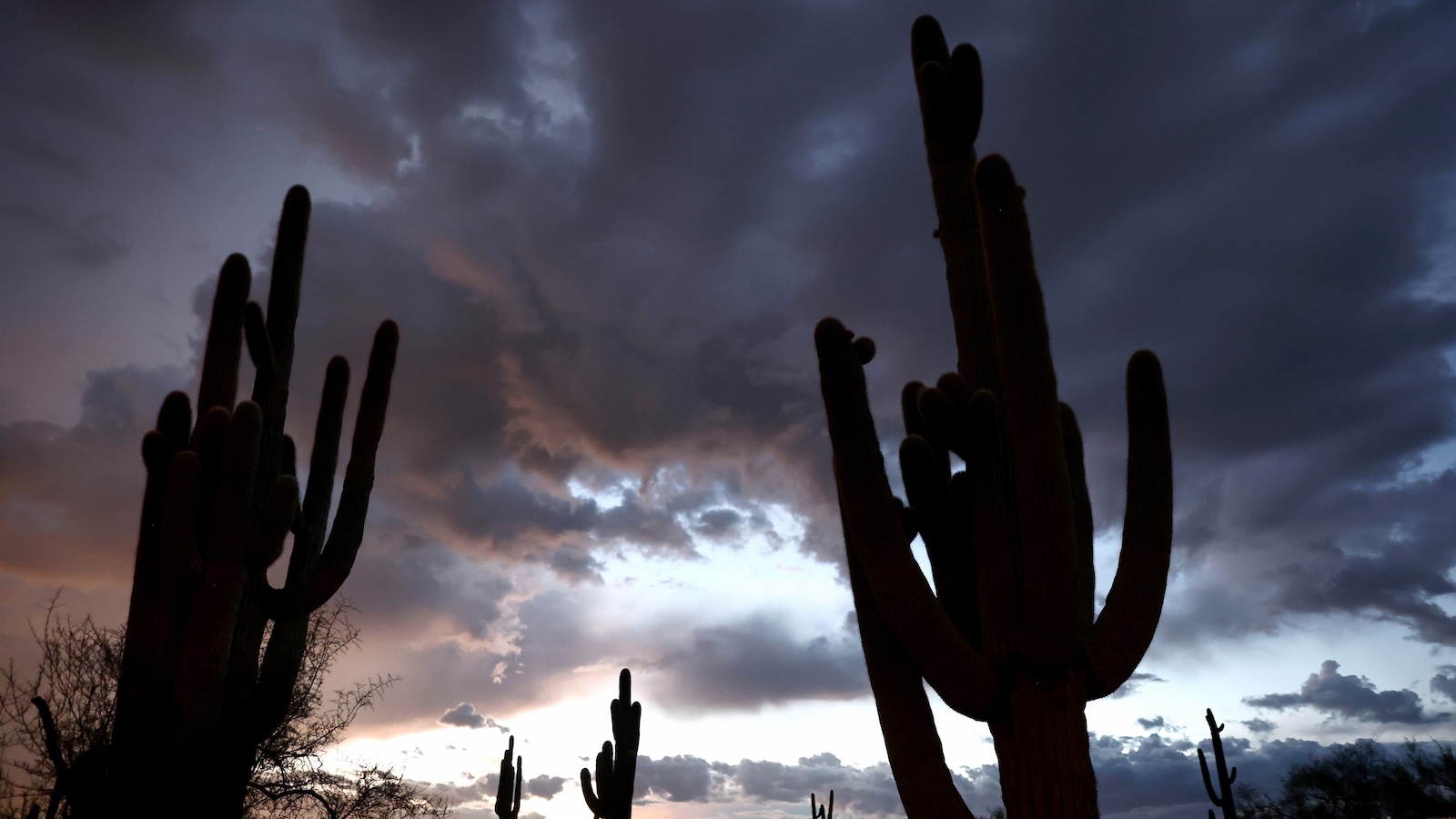
The threat is not limited to immediate mortality. The study highlights sublethal effects that may be just as damaging to long-term population health. Prolonged droughts can interfere with reproductive cycles, causing plants to fail to flower or produce fewer seeds. In the Sonoran Desert, for instance, the iconic saguaro cactus is reproducing less frequently during extended dry periods because it does not always reach the flowering stage.
Desert ecosystems are inherently fragile despite their rugged appearance. Marcos Robles, a lead scientist at The Nature Conservancy in Arizona, emphasized that these environments do not recover quickly from degradation. Due to limited water availability and high temperatures, recovery can take multiple decades, and in some cases, ecosystems may never fully return to their previous state.
Climate change is compounding existing threats such as habitat loss and poaching for private collections. Additionally, other climate-related factors are impacting specific species. For example, rising sea levels have caused the local extinction of the Key Largo tree cactus in Florida due to excessive water exposure. Higher nighttime temperatures also pose a risk, as many cacti respire at night to minimize water loss; if nights remain too warm, this process is hindered, potentially leading to rot.
Some species may adapt by shifting their ranges to areas with climates more similar to their historical habitats. This migration of populations could allow certain cacti to persist despite local extinctions. However, the overall outlook remains concerning, as the combination of rising temperatures, altered precipitation patterns, and human pressures places immense strain on these unique plants.
The findings suggest a need for updated conservation strategies that account for the specific vulnerabilities of desert flora. As researchers continue to analyze which life stages and processes are most affected by drought, the broader implications for plant biodiversity under climate change become clearer. The study underscores that resilience has limits, even for organisms long considered symbols of endurance.
Future research will likely focus on distinguishing between impacts on adult plants versus seedlings and determining whether reduced growth or increased mortality is the primary driver of population decline. Understanding these nuances is critical for developing effective interventions to protect cactus species and the diverse wildlife that depend on them for habitat and food.
Sources behind this briefing
Go to the original reporting
- Grist↗Climate change is coming for the cactus. Yes, the cactus.