The short version
- Dr. Adam Kalkstein filed a lawsuit claiming his termination violated First Amendment rights after he refused an order to stop teaching about human causes of climate change.
- The dispute follows a pattern of tensions at West Point, including a separate case involving law professor Tim Bakken and restrictions on faculty publications.
- Kalkstein’s attorney describes the professor as a conservative Republican who views accurate climate education as essential for national security preparedness.
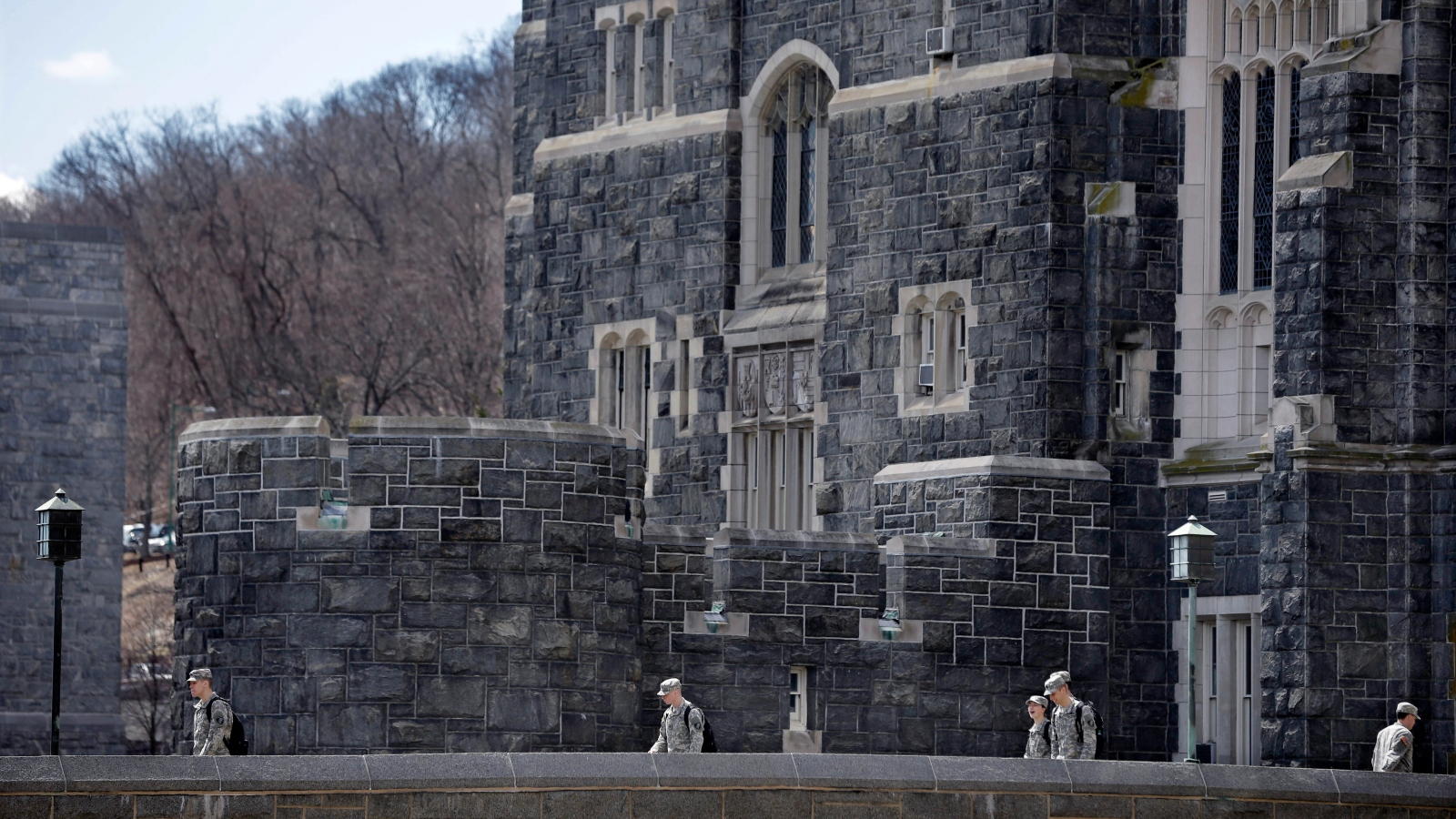
A federal lawsuit filed in the Southern District of New York alleges that West Point terminated Dr. Adam Kalkstein, the academy’s sole climate scientist, because he refused to remove content regarding human contributions to global warming from his curriculum. The legal action characterizes the dismissal as a breach of First Amendment rights and highlights a growing conflict between civilian faculty members and military leadership over academic independence at the U.S. Military Academy.
Kalkstein, a civilian geography professor with seventeen years of service at the institution, claims he was let go following the spring semester of this year. According to court filings, the decision came six months after a contentious meeting in November 2025 with Brig. Gen. Shane Reeves, who served as dean of the academic board at the time. During that encounter, Kalkstein reportedly argued that suppressing scientific consensus on climate drivers was both immoral and potentially unlawful, comparing the restriction to teaching law without reference to the Constitution.
The lawsuit states that Reeves responded by leaving the meeting abruptly after asserting that President Donald Trump, as commander in chief, sets the agenda for the academy. This exchange underscores a broader shift in how the current administration is influencing military educational institutions. Reeves has since retired from his thirty-year military career and now serves on the board of trustees for the University of Wyoming.
This case represents the second significant legal challenge to academic freedom at West Point in recent months. Earlier this year, Tim Bakken, the academy’s longest-serving law professor, secured a preliminary injunction against a policy requiring civilian faculty to seek approval before publishing papers or delivering speeches. Bakken alleged that a colonel ordered him to stop speaking during a faculty meeting, emphasizing the military nature of the institution. The academy recently dropped its challenge to the injunction, and both parties have agreed in principle to work toward a permanent resolution.
Kalkstein’s attorney, Michael Sussman, emphasized that his client is a conservative Republican who does not view the dispute through an ideological lens. Instead, Kalkstein believes that military cadets must understand the realities of climate change as a matter of national security. Sussman told reporters that Kalkstein remained loyal to the academy and its students but found directives preventing him from teaching established facts to be counterproductive and intolerable.
The path to termination appears to have begun in May 2025, when academy leadership announced plans to reduce civilian staffing levels while simultaneously opening a new humanities center that required additional geography instructors. Kalkstein was offered the option to remain as a term employee, which would have stripped him of tenure and eligibility for a substantial severance package. Fearing that his departure would burden colleagues with covering his classes, he accepted the demotion in status to stay on.
The specific order to ban instruction on human-caused climate change arrived in September, according to the lawsuit, precipitating the November confrontation with Reeves. The timing suggests a deliberate effort to align curriculum with broader administrative directives. West Point issued a brief statement acknowledging awareness of the allegations and noting that it takes such matters seriously, but declined further comment due to pending litigation.
The incident occurs against a backdrop of cultural shifts imposed on U.S. military institutions by the Trump administration. In April of last year, Defense Secretary Pete Hegseth ordered the U.S. Naval Academy to remove books promoting diversity, equity, and inclusion, resulting in the temporary removal of nearly four hundred titles before the Pentagon reversed the decision. These actions reflect a sustained effort to reshape educational content within the military framework.
President Trump has historically expressed skepticism about climate science, alternating between dismissing it as a hoax and acknowledging its existence while attributing scientific findings to political motivation. His administration’s approach to military education appears to prioritize alignment with executive priorities over traditional academic autonomy. The outcome of Kalkstein’s lawsuit may set a precedent for how civilian faculty rights are balanced against military command structures.
As the legal proceedings unfold, the case raises questions about the extent to which elected officials can influence scientific instruction in federally funded institutions. While West Point maintains its status as a military academy, it also relies on civilian expertise to provide comprehensive education. The resolution of this dispute could impact how other service academies handle similar conflicts between administrative directives and academic integrity.
Sources behind this briefing
Go to the original reporting
- Grist↗West Point’s only climate scientist fired after continuing to teach human causes of climate change