The short version
- Valar Atomics secured a century-long lease on state trust land in Carbon County to build hundreds of untested small modular reactors.
- Local opposition argues the community is being forced to accept hazardous industrial projects after the collapse of the regional coal industry.
- County commissioners and state leaders support the development, citing economic necessity and revenue generation for public schools.
The economic landscape of Carbon County, Utah, is undergoing a dramatic transformation that has sparked intense local debate. For decades, this region in central Utah relied heavily on coal mining, an industry that provided steady employment but also brought significant health and safety risks to residents. The community has long borne the costs of extraction, including black lung disease and mine accidents. Now, as the coal industry has effectively vanished from the area, new energy projects are moving in, raising fears among some locals that they are trading one set of industrial hazards for another.
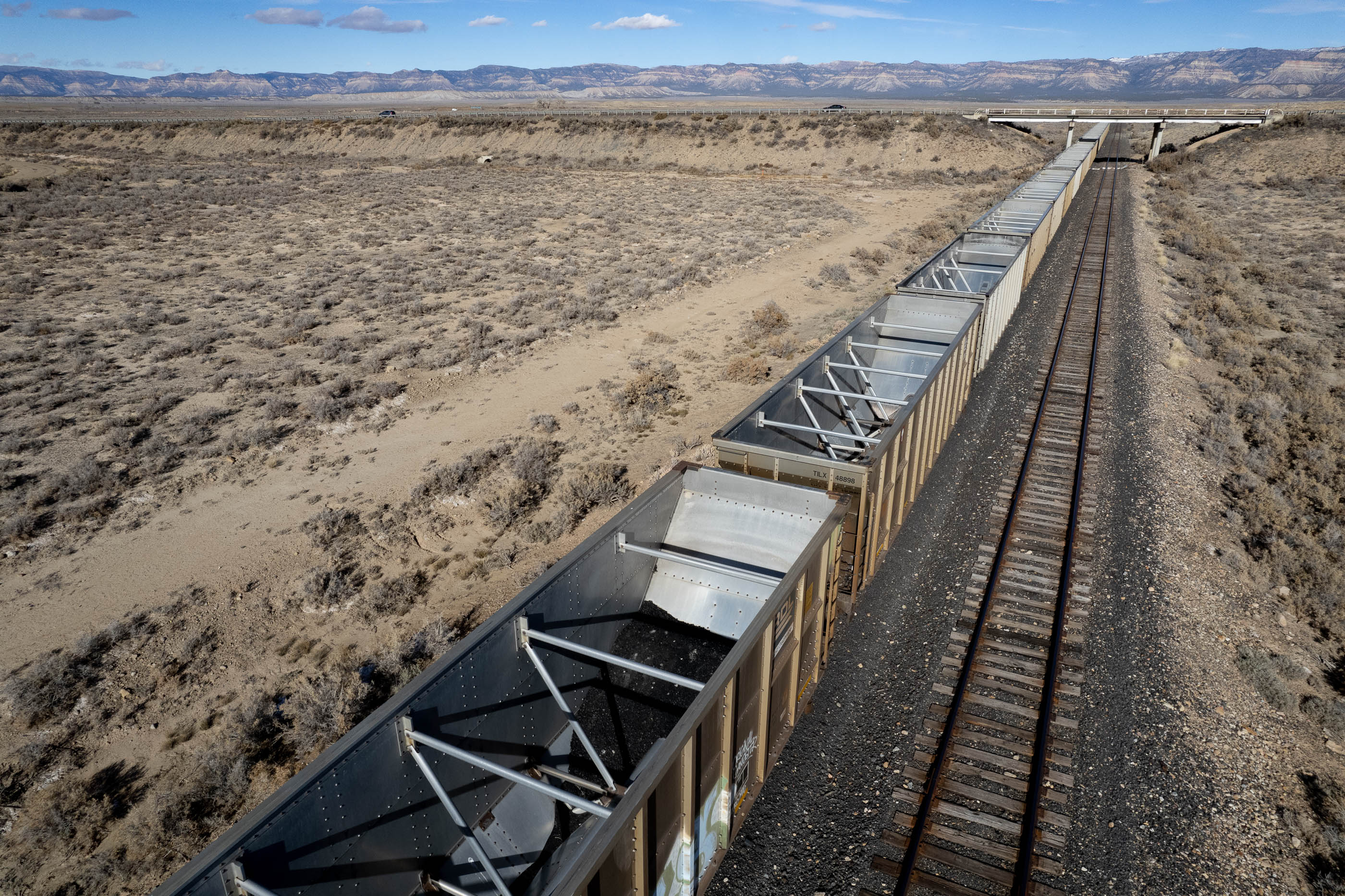
The shift began quietly but has accelerated rapidly. Since 2023, no coal has been mined in Carbon County, marking the end of an era that saw nearly ten million tons extracted annually at its peak around 2006. The decline was driven by cheaper alternatives like natural gas and renewables, as well as depleted seams. With the primary economic engine gone, local leaders and developers are pushing for new industries to fill the void. Two major projects have emerged: a nuclear complex proposed by Valar Atomics and a natural gas-powered data center facility called Jurassic Spark by Altigen Energy.
Valar Atomics’ proposal, known as Project Beehive, is particularly ambitious. The company plans to construct a mega-complex featuring 456 small modular reactors on Bureau of Land Management property. This technology remains largely unproven in the United States, with no commercial deployments yet completed. The site would not only generate power but also process uranium fuel, desalinate water, manufacture steel, and refine critical minerals. A significant portion of this energy is intended to support data centers, which are increasingly demanding vast amounts of electricity for artificial intelligence operations.
State officials have moved quickly to facilitate these developments. The Utah Trust Lands Administration recently agreed to lease a square mile of state-owned land to Valar Atomics for up to one hundred years. This arrangement is projected to generate thirty-five million dollars in lease rents over fifty years, with revenues directed toward funding Utah schools. High-ranking state figures, including Governor Spencer Cox and Senator John Curtis, have publicly welcomed Valar’s presence. The company recently achieved self-sustaining criticality in a test reactor in neighboring Emery County, a milestone that demonstrates the technical feasibility of their microreactor design.
Despite official support, community reaction is sharply divided. Cindy O’Neil, a resident who tracks local development projects, expressed deep anxiety about the proximity of these facilities to homes. She noted that data centers are being situated within miles of residential areas, creating a sense of unease similar to the dangers associated with coal mining. For many residents, the promise of economic revival feels less like an opportunity and more like an imposition of unwanted industrial risk.
Local government leaders argue that these projects are essential for the county’s survival. Larry Jensen, a Carbon County Commissioner, stated that the commission is committed to moving forward despite pushback from a vocal minority. He characterized the opposition as coming from a small group while claiming that the silent majority supports the development. Three residents employed or expected to be employed by Valar spoke in favor of the project during a recent board meeting, highlighting the potential for job creation in a region desperate for economic activity.
However, other voices challenge this narrative of broad support. Cheryl Lupo, an unaffiliated candidate running for the county commission, argued that her interactions with voters revealed overwhelming opposition to both data centers and nuclear plants. She described residents as being “up in arms” because they feel their concerns are being ignored. The process of collecting signatures for the ballot gave her direct insight into community sentiment, which she believes contradicts the commissioners’ assessment of public opinion.
The uncertainty surrounding small modular reactors adds another layer of complexity to the debate. Mike Nelson, chair of the Trust Lands Administration board, acknowledged during a recent meeting that the deal with Valar came with unknowns. The technology has not yet been deployed commercially in the U.S., raising questions about long-term safety, waste management, and operational reliability. While proponents see innovation and economic growth, critics view it as a risky experiment conducted on their doorstep.
As these projects advance, Carbon County stands at a crossroads. The transition from coal to nuclear and gas-powered data centers represents a fundamental change in the region’s identity and economy. Whether this shift will bring prosperity or new burdens remains unclear. The coming months will likely see continued tension between state-level economic goals and local community concerns, setting a precedent for how rural areas adapt to the demands of modern energy infrastructure.
The broader implications extend beyond Utah. As artificial intelligence drives demand for computing power, similar conflicts may arise in other regions facing industrial transitions. Carbon County’s experience highlights the challenges of balancing economic revitalization with environmental and health considerations. The outcome here could influence how other communities approach proposals for untested energy technologies and large-scale data infrastructure.
Sources behind this briefing
Go to the original reporting
- Grist↗Powering data centers on nuclear? That’s a tough sell in Utah’s coal country.