The short version
- Woody encroachment costs Great Plains ranchers an estimated $4 billion in lost production annually.
- Fire suppression and historical incentives for tree planting have facilitated the spread of juniper and cedar species.
- Restoring prescribed fire cultures remains a significant challenge in regions like Nebraska’s Sandhills.
A quiet but significant ecological shift is underway across the American Great Plains, where grasslands are increasingly being overtaken by trees. This phenomenon, known as woody encroachment or the green glacier, poses a growing threat to both biodiversity and agricultural productivity. Ranchers and ecologists alike are raising alarms as species such as eastern red cedar spread beyond their intended boundaries, altering the landscape in ways that challenge traditional land management practices.
The economic impact of this transformation is substantial. According to estimates from Texas A&M Agrilife Extension, woody encroachment across ten Great Plains states results in approximately $4 billion in lost range production each year. For ranchers, the proliferation of trees means less available land for grazing cattle. The dense growth of shrubs and trees reduces the quality and quantity of forage, directly affecting livestock operations that depend on open prairie ecosystems.
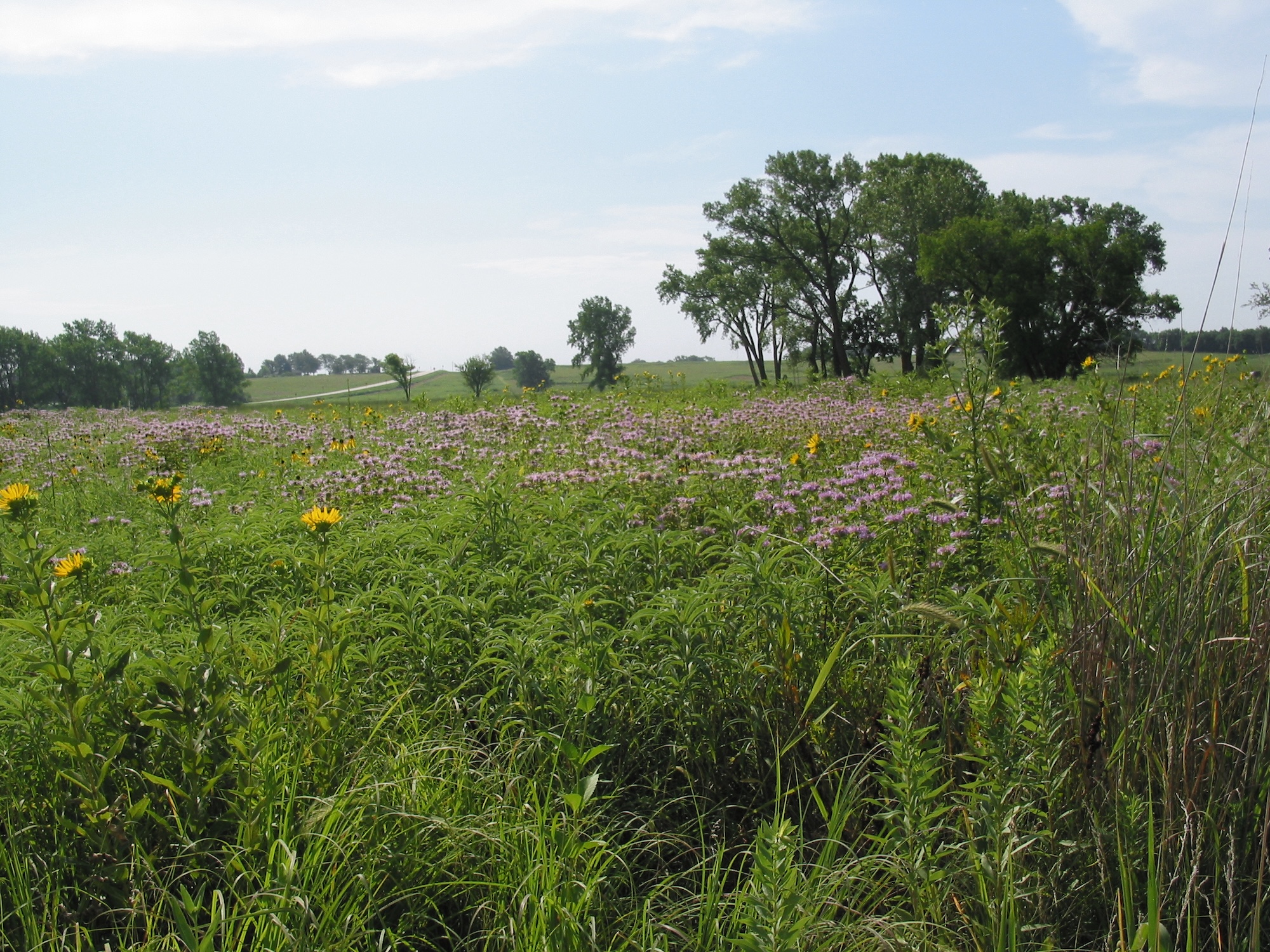
Beyond economic concerns, the ecological consequences are profound. The spread of woody plants threatens the diverse array of insects, birds, and small mammals that rely on intact prairie habitats. These species have evolved in environments dominated by grasses with deep root systems capable of sustaining life during droughts. As trees replace grasses, the structural integrity of these ecosystems weakens, potentially leading to long-term losses in resilience and biodiversity.
Several factors contribute to the rapid expansion of woody species. Fire suppression plays a critical role, as natural and prescribed burns historically kept tree populations in check. Without regular fires, young trees develop thick bark that makes them more resistant to future flames, allowing them to establish themselves permanently. Additionally, overgrazing by cattle reduces competition from grasses, giving woody plants an advantage in securing resources like water and sunlight.
Historical land-use policies have also shaped the current landscape. In Nebraska, for example, settlers were encouraged to plant trees through initiatives like the Homestead Act of 1862 and the Kinkaid Act of 1904. These programs offered free trees to help cultivate vast tracts of land, embedding a culture of tree planting into regional identity. Today, many ranchers continue this tradition by deliberately planting windbreaks to protect livestock from harsh weather conditions.
However, these well-intentioned efforts have unintended consequences. Windbreaks designed to shield calving heifers often serve as seed sources for nearby areas, enabling trees to spread into adjacent grasslands. Shelly Kelly, a rancher in Nebraska’s Sandhills, observes this pattern firsthand. She notes how orderly rows of planted cedars give way to scattered groves further south, illustrating the difficulty of containing tree growth once it begins.
Efforts to reverse woody encroachment face cultural and logistical hurdles. In regions like Kansas’ Flint Hills and Oklahoma’s Osage Hills, prescribed burns have long been part of local tradition, helping maintain healthy grasslands. Brian Obermeyer of The Nature Conservancy highlights how lease contracts dating back to 1915 required regular burning to ensure cattle had access to nutritious new growth. Yet in areas without such traditions, convincing landowners to adopt fire-based management strategies takes time and education.
Looking ahead, addressing woody encroachment will require balancing ecological restoration with practical ranching needs. Some experiments involve using browsing animals like goats and sheep to control tree spread, though these methods alone may not suffice. Ultimately, restoring the natural cycles of fire and grazing will be essential to preserving the unique character of the Great Plains while supporting sustainable agriculture.
Sources behind this briefing
Go to the original reporting
- Grist↗The Great Plains face a surprising threat: Too many trees