The short version
- Matthew Mayich remains in critical condition after collapsing during a morning practice session at Arizona State University, an incident his family attributes to exertional heat stroke.
- Teammates allege the university failed to follow its own heat safety guidelines, contradicting official timelines and statements from coaching staff regarding the intensity of the training.
- Experts warn that rising global temperatures and the widespread adoption of synthetic turf fields are increasing the frequency and severity of heat-related injuries in sports.
A twenty-one-year-old hockey player at Arizona State University remains in critical condition after collapsing during a morning practice session in August, an event that has ignited a contentious debate over athlete safety protocols. Matthew Mayich, a transfer student and prospect for the St. Louis Blues, stepped onto the field at Sun Angel Stadium in Tempe around 7 a.m. on August 20. Although the air temperature was in the mid-80s, conditions on the synthetic surface were significantly hotter. The session, led by guest trainer Tim Ziesel, included rigorous physical exercises such as sprints and bear crawls before concluding with a medicine ball run.
Mayich appeared to struggle during the final exercise, stumbling and falling twice before athletic staff intervened. Initial treatment involved iced towels and cool water, followed by spraying him with a garden hose. Despite being initially responsive, his condition deteriorated rapidly, prompting a call for emergency medical services. He was transported to a hospital where he continues to face life-threatening complications. His family’s attorney, Robert Carey, described the diagnosis as exertional heat stroke, a condition that occurs when the body overheats and loses its ability to cool down effectively. The family has expressed hope for recovery while demanding accountability from the university.
Significant discrepancies exist regarding the details of the practice session. University officials provided a timeline stating the workout lasted approximately 45 minutes. However, seven of Mayich’s teammates issued an anonymous letter through legal counsel, asserting that the session actually lasted 75 minutes. The players alleged that the university ignored its own heat safety policies, noting the absence of immersion tubs, ice chests, on-field heat measurements, and scheduled shade breaks. They further claimed that training continued even after several athletes showed signs of distress, including vomiting and disorientation.
University leadership has faced scrutiny for its response to the incident. Head coach Greg Powers initially defended his position during a press conference in late September but did not address specific details of the workout. More than a month after the collapse, ASU placed Powers on paid administrative leave. The trainer’s attorney downplayed the intensity of the session, arguing that media outlets had exaggerated the difficulty of the exercises. Meanwhile, university officials declined to provide interviews regarding the specific circumstances surrounding Mayich’s collapse.
This incident echoes historical tragedies in sports medicine, most notably the death of NFL player Korey Stringer from heat stroke twenty-five years prior. Stringer’s death helped bring national attention to heat safety issues, leading to the establishment of organizations like the Korey Stringer Institute. Doug Casa, an exercise physiologist and CEO of the institute, acknowledged progress in safety standards but emphasized that Mayich’s case illustrates remaining vulnerabilities. Exertional heat stroke remains a leading cause of preventable deaths in sports, particularly as environmental conditions become more extreme.
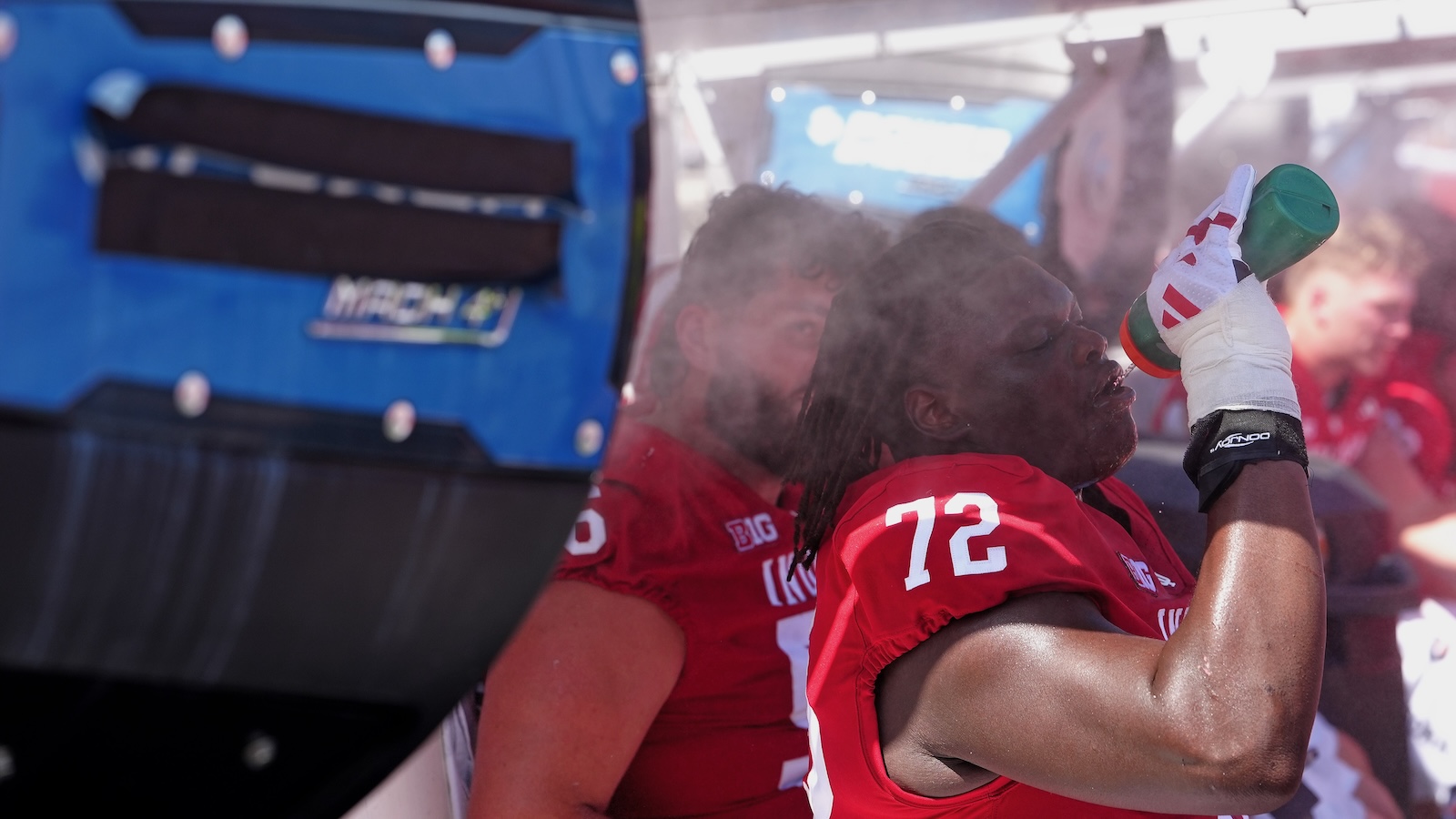
Climate change is exacerbating these risks by making extreme heat events more frequent, intense, and prolonged. Data from World Weather Attribution indicates that the probability of extreme temperatures has at least doubled in multiple cities between 1994 and 2026. Additionally, the shift from natural grass to synthetic turf fields has created new hazards. Synthetic surfaces absorb and retain significant amounts of heat, often reaching temperatures far higher than the ambient air. Reports from other sporting events have documented surface temperatures exceeding 150 degrees Fahrenheit, causing equipment damage and increasing injury risks for players.
The response to these growing dangers varies widely across different levels of sports. Some jurisdictions, such as Georgia’s high school system, have implemented strict policies that significantly reduced heat-related fatalities among football players. In contrast, other organizations rely on vague recommendations or limited mandates that leave athletes exposed. The lack of comprehensive protection extends beyond competitive athletes to include participants in marching bands and other extracurricular activities. Just one week after Mayich’s hospitalization, a University of Iowa band member collapsed during a football game, underscoring the broad scope of the issue.
As investigations continue, the case highlights the urgent need for standardized safety measures across all athletic programs. The conflict between official university accounts and player testimonies suggests that existing protocols may not be consistently enforced or adequately designed for current environmental conditions. With synthetic fields becoming more common and heat waves intensifying, sports organizations face pressure to adopt evidence-based guidelines. Failure to do so could result in further preventable injuries and fatalities, raising questions about institutional responsibility and the duty of care owed to student athletes.
The outcome of this case may influence future policy decisions at Arizona State University and potentially across collegiate sports. Advocates for athlete safety argue that clear, enforceable standards are necessary to protect participants from life-threatening conditions. The incident serves as a stark reminder that traditional safety measures may be insufficient in the face of changing climate realities. As Mayich recovers, his family and supporters continue to seek transparency regarding the events that led to his hospitalization, hoping their experience will drive meaningful reform in how sports organizations manage heat risks.
Sources behind this briefing
Go to the original reporting
- Grist↗Extreme heat left this student athlete on life support. He won’t be the last.