The short version
- The UK government has granted permission for the Jackdaw gas field to begin production, reversing a previous court ruling that found the initial approval unlawful due to inadequate climate impact assessments.
- Environmental campaigners argue that new fossil fuel projects contradict net-zero commitments and will not significantly contribute to energy security or job retention in the long term.
- Industry bodies and government officials contend that domestic gas production is necessary to reduce reliance on imported fuels and support the transition to renewable energy sources.
The United Kingdom government has officially approved the Jackdaw gas field for production, marking a significant development in the country's ongoing energy policy debate. Located approximately 150 miles east of Aberdeen in the North Sea, the field is operated by Shell and is expected to begin supplying gas to the UK grid by the end of October. This decision comes after years of legal wrangling and political scrutiny, with the government now asserting that the project aligns with both energy security needs and legally binding climate commitments.
The approval follows a ruling last year by the Court of Session in Edinburgh, which had declared the initial licenses for Jackdaw and the nearby Rosebank oil field unlawful. The judge determined that the previous Conservative government had failed to adequately account for the climate impact of burning the extracted fossil fuels. In response, the current administration conducted updated climate assessments and opened them for consultation before re-approving the projects. Energy Secretary Miatta Fahnbulleh stated that the decision supports homegrown gas supply this winter, helping to minimize reliance on imported higher-emission fuels.
Environmental groups have reacted with dismay to the approval, arguing that new oil and gas exploration is incompatible with safe climate limits. Tessa Khan, executive director of the anti-oil campaign group Uplift, criticized the project as oversold, noting that Jackdaw will provide only about 2% of the UK's gas demand for roughly a decade. She emphasized that the field will be largely unmanned and operated remotely, meaning it will not significantly halt the overall decline in North Sea jobs. Campaigners insist that transitioning sooner to greener technologies would be more effective for both climate goals and long-term employment.
The debate over Jackdaw is intertwined with broader questions about energy security and economic stability. Industry bodies argue that domestic production provides a buffer against global market shocks, such as those caused by conflicts in Ukraine and Iran. However, critics point out that increased supply does not necessarily guarantee cheaper energy bills for consumers, as prices are determined by international markets. Furthermore, most of the oil from related projects like Rosebank would be exported to the Netherlands because UK refineries are not equipped to process the heavier crude oil extracted from the North Sea.
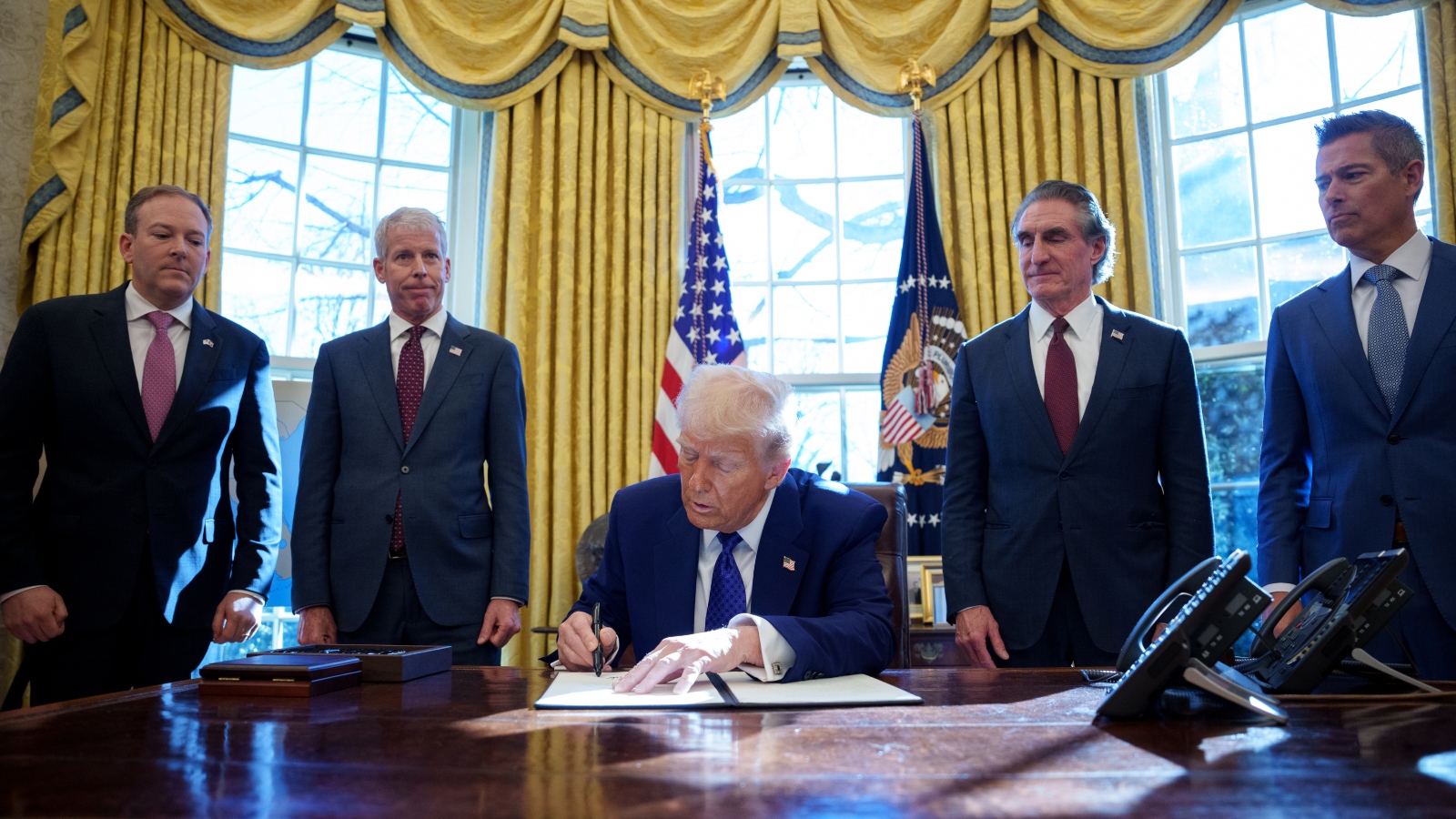
The political context of the decision is also notable. Prime Minister Andy Burnham had previously committed to Labour's promise not to issue new oil and gas licenses while honoring existing ones. The approval of Jackdaw, which holds an existing license, fits within this framework but has nonetheless drawn criticism from some Labour MPs and environmentalists. The timing of the decision, delayed until after a recent byelection in Holborn and St Pancras, has been scrutinized by observers who see it as a strategic move to avoid political backlash during a sensitive period.
While Jackdaw is set to begin production soon, the fate of the Rosebank oil field remains undecided. Rosebank, located off Shetland, is Britain's largest untapped oil field and would take longer to become operational, with a potential start date in 2027 if approved. The decision on Rosebank is being handled separately, but it faces similar legal and environmental challenges. Both projects have been the subject of intense lobbying by industry players, including Shell and Equinor, who argue that rejecting them would undermine economic benefits and energy independence.
The approval of Jackdaw highlights the tension between immediate energy needs and long-term climate goals. Government officials maintain that domestic gas production is a transitional tool that supports the shift to renewables and nuclear power. They argue that reducing dependence on imported fuels enhances national security and provides stability during the transition period. However, environmental campaigners contend that any new fossil fuel infrastructure locks in emissions for decades, hampering efforts to meet net-zero targets by 2050.
As production preparations continue, the focus will shift to monitoring the actual impact of Jackdaw on energy markets and carbon emissions. The government has pledged to remain resolute in ending new licenses for oil and gas, but the approval of existing projects like Jackdaw suggests a pragmatic approach to balancing competing priorities. The coming months will test whether this strategy can satisfy both industry demands for investment and public expectations for climate action.
The incident underscores the complexity of energy policy in a world facing both geopolitical instability and urgent environmental challenges. While the UK government views Jackdaw as a necessary step toward energy security, critics see it as a setback for climate credibility. The resolution of this debate will likely influence future decisions on other North Sea projects and shape the broader narrative around the UK's transition to a low-carbon economy.
Sources behind this briefing
Go to the original reporting
- BBC News↗What is happening with the Jackdaw and Rosebank gas and oil fields?
- The Guardian World↗UK approves Jackdaw gasfield in North Sea
- Reuters↗UK approves long-delayed Jackdaw gas field
- The Guardian↗UK approves Jackdaw gasfield in North Sea