The short version
- The Home Energy Choice Act mandates that utilities provide households with a choice between receiving a new gas service line or accepting a cash incentive to switch to all-electric heating and cooking systems.
- Proponents argue this approach prevents stranded assets and saves millions in infrastructure costs, while opponents warn it may shift financial burdens onto remaining gas customers.
- California joins New York and Colorado as jurisdictions adopting similar models, though the new law includes caps on participation and an expiration date of 2035.
A significant shift in energy infrastructure policy has taken effect in California, granting homeowners the authority to decline natural gas line replacements in favor of financial incentives for electrification. Under the newly enacted Home Energy Choice Act, also known as Assembly Bill 2313, investor-owned utilities must present customers scheduled for service line upgrades with two distinct options: proceed with the traditional pipe replacement or accept a monetary payment to transition away from fossil fuels entirely.
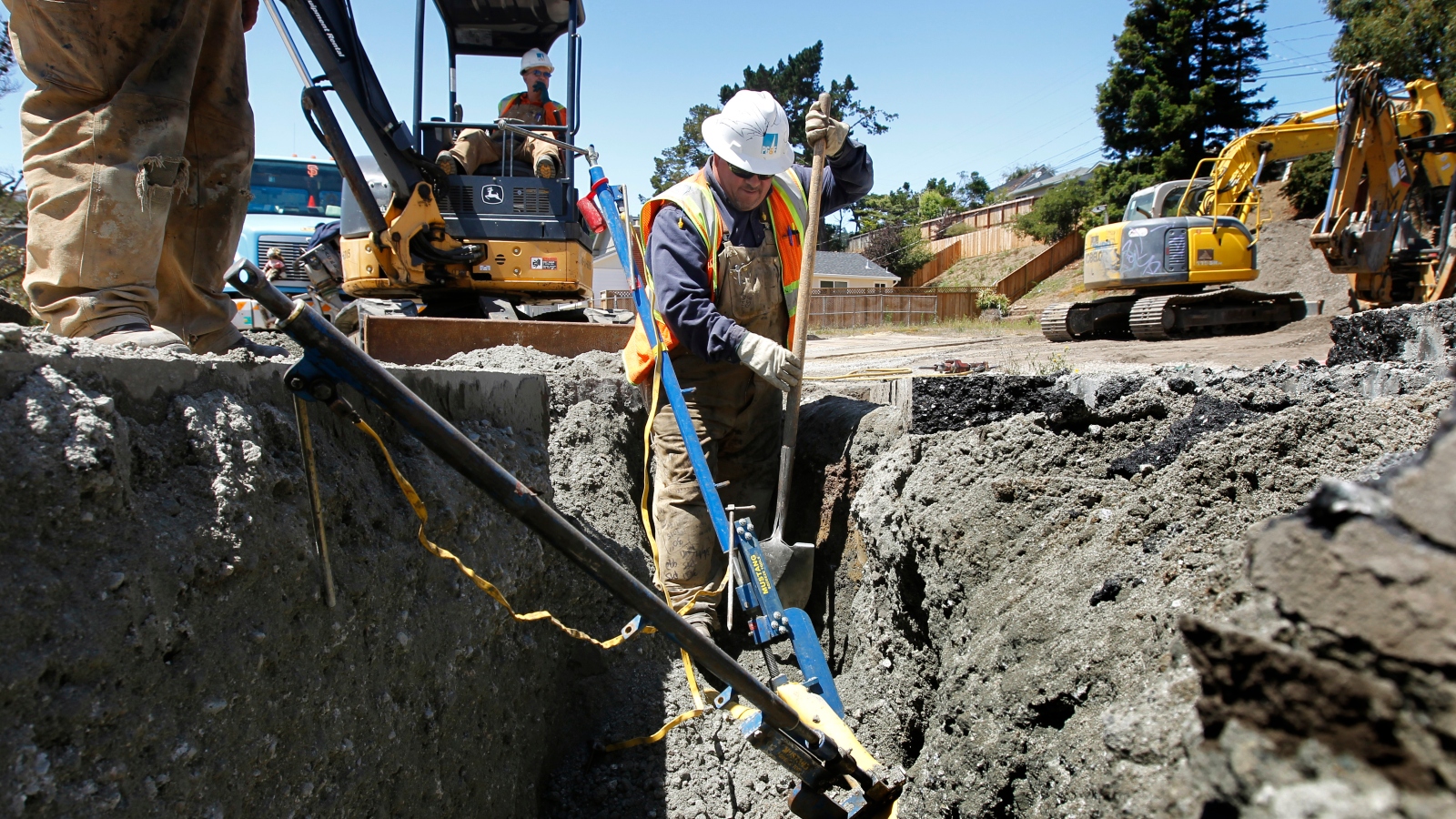
The legislation addresses a growing concern regarding the economic efficiency of maintaining aging gas networks. Previously, when a utility like Pacific Gas and Electric identified a need to replace an old service line, the upgrade was mandatory for the homeowner. These replacements, which can cost between $20,000 and $30,000 per household, are funded through rates paid by all gas customers. Critics of the old system pointed out that many homeowners were in the process of electrifying their homes anyway, meaning the new infrastructure would sit unused for decades while ratepayers continued to subsidize its maintenance.
The new law aims to correct this misalignment by allowing households to opt out of gas infrastructure investments. If a homeowner chooses the financial incentive, they receive funds intended to cover the cost of installing all-electric alternatives, such as heat pumps, induction ranges, and heat-pump water heaters. Crucially, the incentive amount is designed to be lower than the cost of replacing the physical gas line. This difference generates savings that are distributed among all remaining gas customers, theoretically lowering overall utility bills while reducing the state’s carbon footprint.
Advocates for the measure emphasize the long-term financial and environmental benefits. Brandon García, director at Advanced Energy United, noted that the bill signals a decisive move away from investing millions in gas infrastructure without considering future energy trends. Assemblymember Marc Berman, who authored the legislation, stated that when homeowners choose to electrify, utilities avoid creating stranded assets. This avoidance of unnecessary capital expenditure saves ratepayers money over time and supports California’s broader goal of achieving a carbon-neutral economy by 2045.
The potential savings are substantial. According to calculations by the Natural Resources Defense Council, if Pacific Gas and Electric were to offer incentives to 1,000 households instead of replacing their lines, customers could save approximately $20 million. Given that PG&E replaces roughly 15,000 service lines annually, the cumulative impact could be significant. Nationally, utilities spend upward of $7 billion per year on such replacements, suggesting that similar policies elsewhere could rival federal investments in home electrification.
Despite these projected benefits, the legislation faced opposition from major utility companies including San Diego Gas and Electric and SoCalGas. These entities argued that allowing customers to leave the gas network would result in an unfair cost shift. Their concern is that as fewer households use natural gas, the remaining customers will bear a disproportionate share of the costs required to maintain the existing system. This issue reflects a broader challenge in transitioning away from fossil fuels: ensuring that the financial burden does not fall disproportionately on those who remain connected to legacy infrastructure.
The final version of the law includes several compromises compared to its initial proposal. Programs under the act are capped at 1% of a utility’s customer base, and the legislation is set to expire on January 1, 2035, though it may be renewed prior to that date. These limitations reflect the difficult legislative process required to pass the bill. Supporters acknowledge these constraints but view the law as a critical first step in giving Californians agency over their energy choices.
California is now the third jurisdiction to authorize this alternative approach to pipeline replacement, following initiatives in New York and Colorado. In 2024, Con Edison launched the Energy Exchange Program in New York, offering eligible households up to $20,000 to electrify. Similarly, the Colorado Public Utilities Commission recently authorized Xcel Energy to create a comparable program. As these models expand, they provide a template for other states grappling with the economics of energy transition.
The next phase involves implementation by the California Public Utilities Commission, which will oversee how utilities administer the new options. For homeowners like Merrian Borgeson, who previously had a gas line installed despite planning to electrify her home, the change offers a path to avoid unnecessary infrastructure costs. By aligning utility investments with actual consumer demand, the law seeks to streamline the transition to clean energy while protecting ratepayers from subsidizing unused assets.
As the program rolls out, stakeholders will monitor its impact on both individual household decisions and broader utility finances. The success of this model could influence national policy discussions regarding infrastructure modernization and climate goals. Whether it effectively reduces costs for remaining gas customers or merely shifts financial burdens remains to be seen, but the legislation marks a pivotal moment in California’s energy landscape.
Sources behind this briefing
Go to the original reporting
- Grist↗A new gas line or cash to electrify? California lets households choose.