The short version
- Researchers found significantly higher concentrations of toxic metals in Maui residents months after the 2023 wildfires.
- Elevated metal levels correlate with reduced lung function, suggesting lasting physiological impacts beyond smoke exposure.
- Experts note that historical land use and colonial legacies complicate efforts to isolate fire-specific contamination from pre-existing environmental hazards.
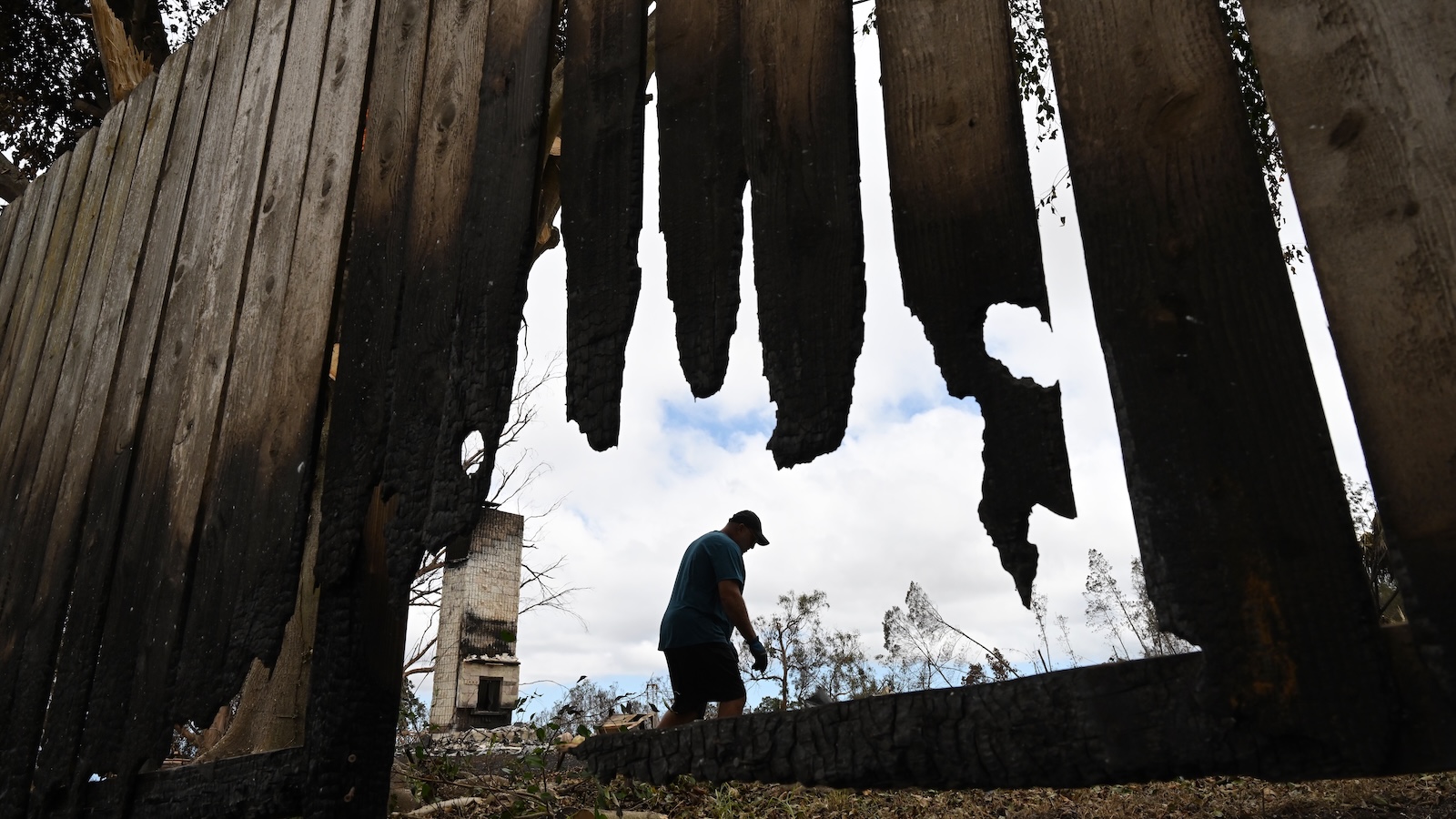
Three years after the catastrophic wildfires that swept through Maui in August 2023, new scientific evidence indicates that the health crisis for island residents remains far from resolved. While the immediate flames have long since been extinguished, recent findings from the University of Hawaiʻi at Mānoa’s Maui Wildfire Exposure Study reveal that toxic metals continue to linger in the bodies of survivors. This development underscores a shifting understanding of wildfire disasters, suggesting that the destruction of homes and infrastructure releases contaminants with prolonged physiological consequences that extend well beyond the initial smoke inhalation risks.
The latest research, which analyzed urine samples from 1,400 adults six to eighteen months after the fires, detected elevated concentrations of twenty-four different metals. When compared to baseline data from a nationwide health survey conducted prior to the disaster, participants showed markedly higher levels of several toxic substances. Specifically, arsenic levels were found to be 2.2 times higher, barium was 2.3 times higher, and manganese reached 3.8 times the pre-fire averages. Most strikingly, antimony—a metal commonly used in flame retardant materials—was detected at levels nearly forty times higher than the national baseline. These findings provide concrete data on the invisible burden carried by the community long after the visible destruction has passed.
The health implications of these chemical exposures are becoming clearer as researchers connect the data to clinical outcomes. Previous studies from the same project had already identified that more than one in five residents experienced reduced lung function following the fires. The new analysis suggests a direct association between higher exposure to these toxic metals and impaired respiratory health. This correlation challenges the traditional view of wildfire exposure, which has historically focused primarily on particulate matter and smoke. Instead, it points to a more complex environmental hazard created when entire neighborhoods burn, releasing industrial and household chemicals into the air and soil.
Despite these alarming findings, significant uncertainty remains regarding the precise origin of the contamination. Researchers acknowledge that they lack comprehensive baseline data from before the fires, making it difficult to determine exactly how much of the metal exposure resulted directly from the blaze versus pre-existing environmental conditions. Alika Maunakea, co-director of the study, emphasized that distinguishing between fire-released contaminants and those already present in the environment is a critical next step. The project has secured a $3.6 million grant from the National Institute of Environmental Health Sciences to investigate these sources further, including examining the potential contributions of past agricultural and industrial activities on the island.
Local health advocates argue that viewing the fires as an isolated event ignores deeper structural issues affecting community resilience. Noelani Ahia, co-founder of Maui Medic Healers Hui, noted that while her organization mobilized hundreds of volunteers to provide care, the current free clinic is insufficient for the scale of ongoing needs. She described the situation as a continuing catastrophe, where the legacy of plantation agriculture and colonial land use has left the environment vulnerable. Decades of water diversion, herbicide introduction, and displacement of native plants have created a landscape that exacerbates the impact of modern disasters like wildfires.
Academic experts reinforce the need to contextualize these health findings within broader historical frameworks. Katie Kamelamela, an assistant professor at Arizona State University based in Hawaiʻi, pointed out that micro-climate changes act upon places already shaped by unequal resource access and land ownership histories. She argued that true recovery cannot be measured solely by rebuilding structures but must include the ability of residents to remain in their communities and maintain cultural practices tied to the land. Rebuilding efforts that fail to address these underlying vulnerabilities risk recreating the same conditions that left people at risk in the first place.
The implications of this research extend beyond Maui, offering a cautionary tale for other regions facing increasing wildfire threats. As climate change accelerates and fires increasingly threaten populated areas like Los Angeles, the burning of modern infrastructure poses unique health challenges. The release of toxic materials from cars, homes, and industrial sites creates a complicated exposure environment that traditional smoke-focused models may not adequately capture. Understanding these long-term chemical impacts is essential for developing effective public health responses and mitigation strategies for future disasters.
Moving forward, the focus must shift from immediate emergency response to long-term environmental remediation and health monitoring. The intersection of climate change, historical land use, and modern infrastructure creates a multifaceted crisis that requires integrated solutions. Funding and planning must address both the care for people and the restoration of the land simultaneously. Without this holistic approach, communities like Lāhainā may remain trapped in a cycle of vulnerability, where each new disaster compounds existing environmental and health deficits rather than allowing for genuine recovery.
Sources behind this briefing
Go to the original reporting
- Grist↗Long after the Maui fires, toxic metals linger in residents’ bodies