The short version
- The current energy price surge stems primarily from the war in Iran and subsequent supply chain disruptions, not the domestic policies Trump initially blamed.
- Federal mandates to keep aging coal plants operational have increased costs for ratepayers without significantly lowering consumer prices or stabilizing the grid.
- Courts are beginning to block these emergency interventions, citing legal overreach and a lack of factual basis for the declared regional emergencies.
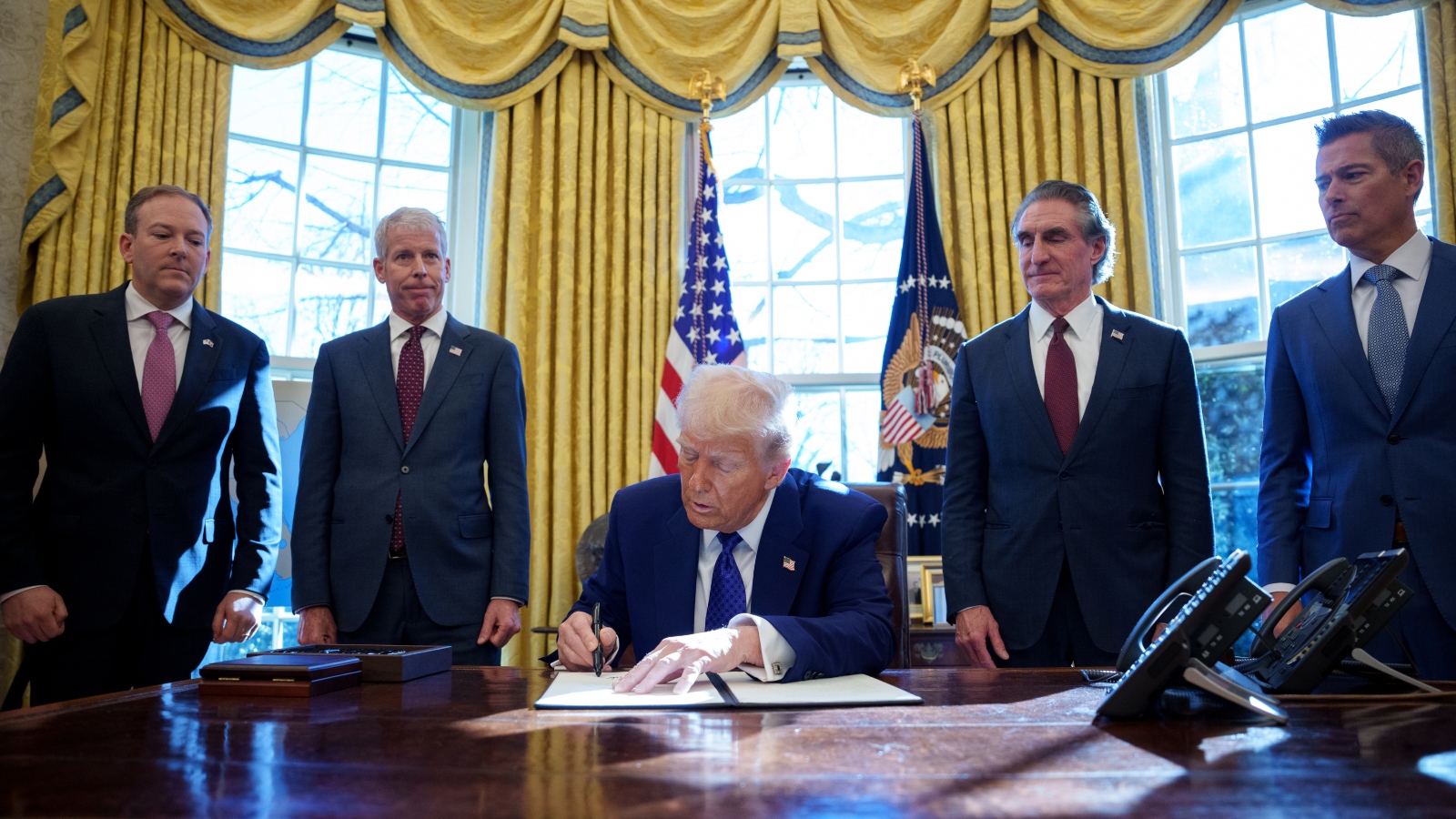
President Donald Trump’s declaration of a national energy emergency on his first day in office has evolved from a political rallying cry into a complex policy failure. Initially framed as a necessary response to what he termed the harmful and shortsighted actions of the previous administration, the executive order was designed to accelerate fossil fuel development and shore up the power grid. Nearly two years later, as midterm elections approach, the reality on the ground presents a stark contrast to the administration’s early promises. While high energy prices do constitute a significant burden for American households, the crisis unfolding now differs fundamentally from the one Trump identified at the start of his term.
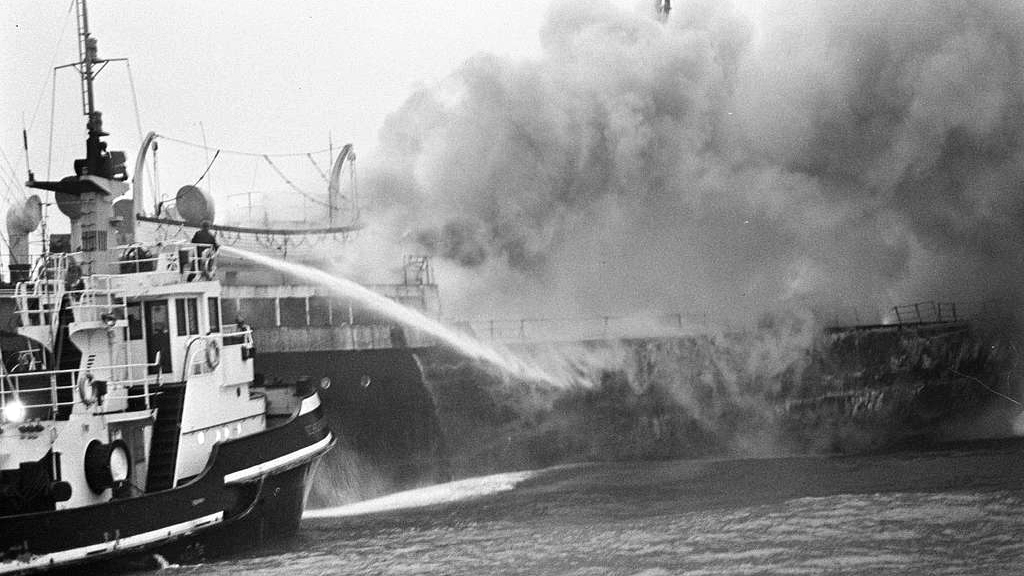
The root cause of today’s energy instability is not domestic regulatory policy but rather international conflict. Gbenga Ajilore, chief economist at the Center on Budget and Policy Priorities, identifies the war in Iran as the genesis of the current problem. Military actions have led to the closure of the Strait of Hormuz and the destruction of refineries and oil fields, severely constraining the global supply of refined fuels such as gasoline and diesel. This shortage has proven more acute than the crude oil deficit, driving up costs at the pump in ways that domestic executive orders cannot easily reverse.
Despite wielding expanded emergency powers, the administration has struggled to influence market prices for petroleum or electricity. The sheer scale and complexity of these markets have rendered targeted interventions largely ineffective. While the White House has succeeded in fast-tracking specific oil projects and preventing the closure of certain power plants, these moves have not translated into lower bills for consumers. Analysts suggest that without a resolution to the conflict in Iran, there is little the executive branch can do to mitigate the price surge, regardless of domestic regulatory adjustments.
The practical application of the emergency declaration has focused heavily on the power grid, an area of sharp disagreement with the Biden administration. While the previous president emphasized expanding solar and wind capacity to meet rising demand from data centers, Trump directed federal agencies to utilize all available emergency authorities to facilitate power generation. Energy Secretary Chris Wright, a strong advocate for fossil fuels, issued multiple orders to halt the scheduled retirement of coal plants across the country. The rationale was that strained grid conditions required preserving every available source of power capacity, even against the wishes of utility operators seeking to decommission aging facilities.
These mandates have imposed significant financial burdens on ratepayers without delivering the promised relief. In Michigan, forcing the J.H. Campbell plant to remain operational has cost Midwest consumers nearly $300 million net, despite the facility generating far less power than it did prior to the intervention. Similarly, in Colorado, a utility was compelled to keep a broken coal plant running that required substantial maintenance. These plants were often among the oldest and least efficient in their regions, meaning their continued operation added marginal power to the grid while failing to reduce overall consumer costs.
Legal challenges are now mounting against these federal interventions. In September, an appellate court blocked the Department of Energy’s order regarding the Michigan coal plant after state officials sued over the mandate. The judge rejected the administration’s interpretation of federal law and dismissed claims of a regional energy emergency as unpersuasive. The ruling warned that such policies invite frequent federal interference that threatens the stability of the broader energy market, signaling a potential shift in how courts view executive overreach in this sector.
Experts anticipate that similar legal outcomes may follow in other jurisdictions where the administration has invoked emergency powers to keep fossil fuel infrastructure online. Melissa Birchard, a mitigation program director, noted that the facts in the Michigan case did not align with the administration’s claims or the law, suggesting other cases may face comparable scrutiny. As the legal and economic costs of these interventions become clearer, the initial promise of the energy emergency declaration appears increasingly hollow.
The situation underscores a difficult reality about the limits of executive power in managing global commodity markets. While the administration sought to use emergency authorities to bypass traditional regulatory hurdles and boost domestic production, external geopolitical forces have proven far more decisive. Until the supply disruptions caused by the war in Iran are resolved, high energy prices are likely to persist, rendering the domestic policy tools employed thus far largely ineffective.
Looking ahead, the administration faces a dual challenge of managing public expectations while navigating growing legal resistance. The irony of declaring an emergency to lower prices only to see them rise due to unrelated global events complicates the political narrative. As courts continue to evaluate the legality of these mandates, the long-term impact on energy market stability and consumer costs remains uncertain, with little indication that current strategies will yield the desired economic relief.
Sources behind this briefing
Go to the original reporting
- Grist↗Trump vowed to stop an ‘energy emergency.’ Then he created a real one.