The short version
- Twenty million households in England will receive a one-time payment to offset rising energy costs, funded by increased levies on financial institutions and savings income.
- The Office for Budget Responsibility has lowered its growth projection for the coming year to one percent, citing geopolitical instability and higher interest expenses.
- While business rates relief is expanded for certain sectors, fiscal drag remains unchanged, meaning millions of workers will face higher tax burdens in coming years.
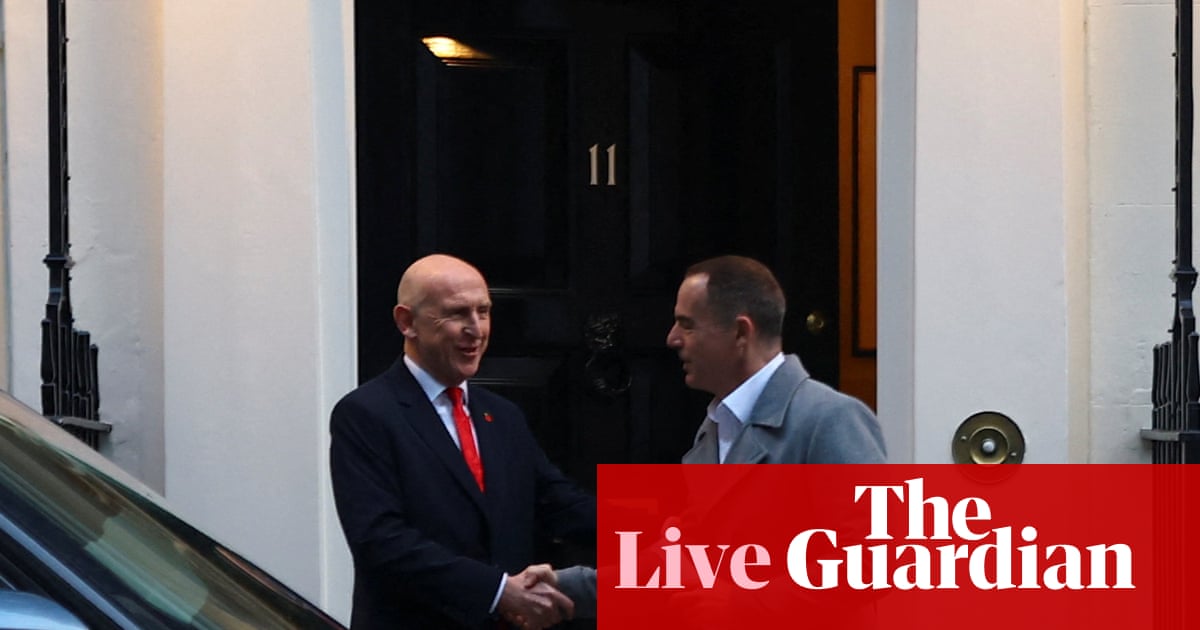
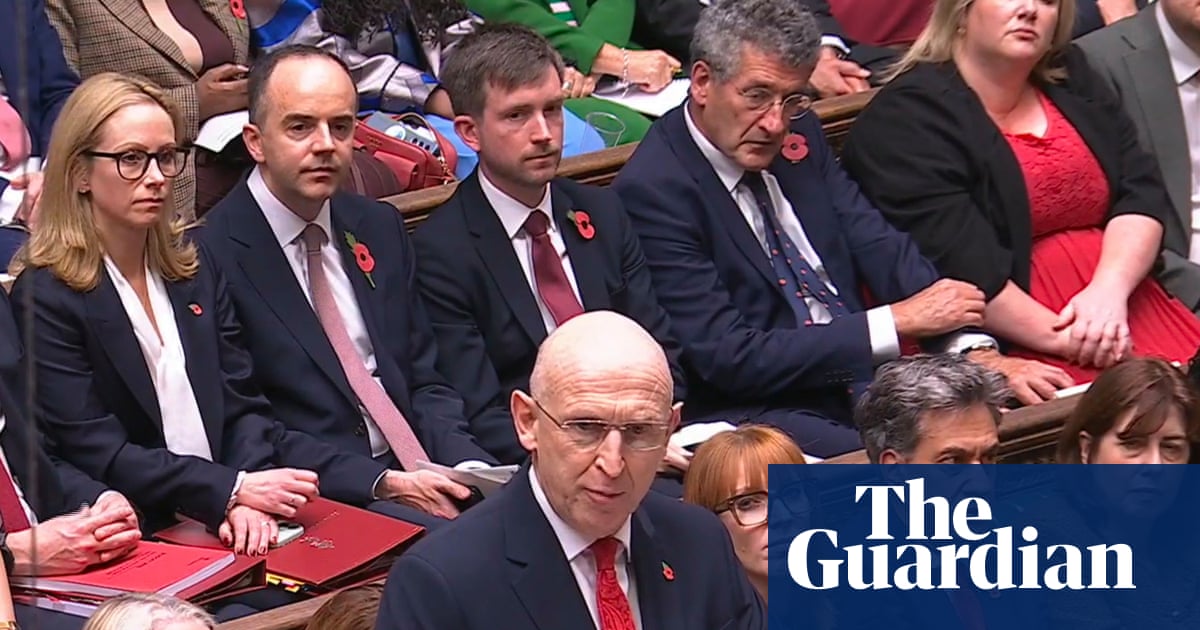
Chancellor John Healey has unveiled a fiscal package designed to provide immediate financial relief to British households while attempting to maintain long-term budgetary discipline. In his inaugural budget statement, Healey announced that twenty million homes across England will receive a direct payment of one hundred pounds. This measure targets properties in council tax bands A through D, effectively reaching middle-income earners and including homes valued up to approximately six hundred thousand pounds in London. The policy is intended to offer breathing room for families facing elevated energy prices, which Healey attributed partly to ongoing conflicts in the Middle East.
The funding for this household support comes from a combination of new and adjusted taxes. Healey confirmed an increase in the windfall tax on major banks, doubling the additional levy on profits from three percent to six percent for a fifteen-month period starting in January. This rate fell short of the eight percent hike that some industry observers had anticipated, a decision that appeared to be well-received by financial markets, with shares in institutions like NatWest and Standard Chartered rising following the announcement. Additionally, an unexpected two-percentage-point increase in income tax for landlords and savers will contribute to the revenue needed to cover the cost of the energy relief.
Beyond the direct payments, the budget includes extensions to existing measures aimed at reducing living costs. The value-added tax cut on electricity bills has been extended until next July, providing continued relief for consumers. Healey also cancelled previously scheduled fuel duty increases that had been planned by his predecessor, Rachel Reeves. These adjustments are framed as benefits for both households and small businesses, with the chancellor noting that for many self-employed individuals, personal and commercial expenses are often intertwined.
The economic backdrop for these decisions is notably challenging. The Office for Budget Responsibility has significantly downgraded its growth forecast for the coming year, lowering it from one point six percent to just one percent. This pessimistic outlook is driven by higher inflation linked to geopolitical tensions, which is expected to increase government interest costs by fourteen billion pounds. Despite these headwinds, Healey insisted that the government remains committed to its fiscal rules, aiming to balance current spending with tax receipts by the 2029-30 financial year.
However, the margin for error in this fiscal plan has narrowed considerably. The buffer against unexpected economic shocks has been reduced from twenty-four billion pounds to fifteen billion pounds. Healey acknowledged that this cushion would be depleted in the short term but promised to rebuild it to twenty-two billion pounds by 2030-31. This approach reflects a strategy of using reserves during periods of crisis while planning for future stability, though it leaves less room for maneuver if economic conditions deteriorate further.
For businesses, particularly in the retail, hospitality, and leisure sectors, the budget offers some relief through an increase in the threshold for rates relief. The limit has been raised from twelve thousand pounds to eighteen thousand pounds, helping smaller enterprises manage their overheads. This change is funded by higher taxes on gambling operators and vape shops. Healey emphasized that reducing costs for businesses is essential for supporting employment and economic activity, especially as consumers tighten their belts.
Despite the targeted relief, significant fiscal pressures remain for ordinary workers. The budget does not include any easing of fiscal drag, meaning that income tax thresholds will continue to be frozen while wages rise. Forecasts indicate that this policy will pull an additional six point seven million people into paying income tax and push another five point four million into higher tax bands by the 2031-32 financial year. While the minimum wage is set to increase by three point nine percent, reaching thirteen point two-one pounds per hour, the net benefit for many workers may be offset by these higher tax liabilities.
The chancellor also addressed broader structural issues, including homelessness and regional inequality. He announced new powers for local leaders, pledging that all mayors will receive a share of income tax revenue starting in 2028. Furthermore, local and regional governments are expected to retain one hundred percent of business rates income before the end of the decade. These devolution measures are presented as part of a supply-side economic strategy aimed at empowering local authorities to drive growth in their specific areas.
Pensioners will see some benefits from the triple lock guarantee, which ensures that state pensions rise with either inflation, average earnings, or two and a half percent, whichever is highest. To prevent pensioners from inadvertently paying income tax as their benefits rise above the personal allowance, new tax relief measures have been introduced. Approximately five hundred thousand pensioners are expected to benefit from this adjustment, ensuring that their increased income does not result in an unexpected tax bill.
As the government navigates these complex economic challenges, the focus remains on balancing immediate relief with long-term fiscal responsibility. Healey’s budget attempts to address the urgent needs of households and businesses while adhering to strict deficit-reduction targets. The success of this strategy will depend heavily on whether global economic conditions stabilize and whether the projected growth in tax revenues materializes as expected.
Sources behind this briefing
Go to the original reporting
- The Guardian World↗Healey gives households £100 to help navigate ‘global economic storms’