The short version
- Chancellor John Healey announced a £100 payment for households in council tax bands A-D and extended VAT cuts on electricity to July.
- The Office for Budget Responsibility slashed the 2027 growth forecast from 1.5% to 1%, citing the economic impact of the Middle East conflict.
- Healey scrapped plans to reduce cash ISA limits, instead proposing a new 'Starter Isa' for first-time investors.
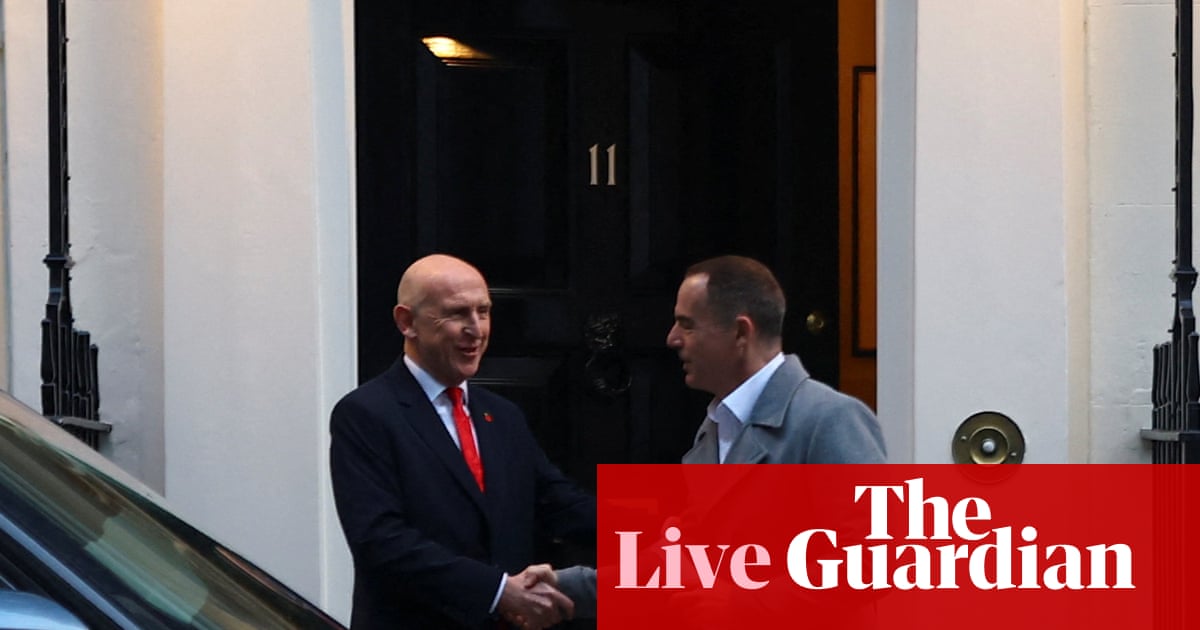
Chancellor John Healey delivered his first budget on Wednesday, framing it as a measure to provide 'breathing space' for British households and businesses facing soaring energy costs. The fiscal plan includes a one-off £100 payment for 20 million households in England living in council tax bands A through D, funded by a temporary rise in taxes on banks. These payments are scheduled to be deposited directly into bank accounts starting in January. Administrations in Scotland, Wales, and Northern Ireland will receive equivalent funding to determine their own distribution methods.
The budget arrives against a backdrop of deteriorating economic forecasts. The Office for Budget Responsibility (OBR) issued a sharp downgrade for growth, living standards, and public finances, attributing the decline to the ongoing war in the Middle East. While growth for the current year was slightly upgraded from 1.1% to 1.2% due to resilient AI investment, the OBR slashed its estimate for 2027 from 1.5% to 1%. The watchdog warned that inflation is poised to reach close to 4%, significantly higher than the 2% forecast in March.
Healey highlighted the financial strain on the exchequer, noting that debt interest spending has increased by £14 billion due to global market fallout from the conflict. To manage this, he accepted a smaller fiscal buffer against the government’s main fiscal rule, leaving £15 billion of headroom compared to the £23.6 billion left by his predecessor, Rachel Reeves. The OBR projected that borrowing would fall to about 2% of GDP in the medium term, though at a slower pace than previously planned.
Key measures in the budget aim to mitigate immediate cost-of-living pressures. Healey extended the VAT cut on electricity bills, originally introduced in October, until July instead of its scheduled end in April. Additionally, the government plans to abolish standing charges on gas bills in England, Scotland, and Wales next year or as soon as possible. These fixed daily fees will be shifted onto the price per unit of energy. The Treasury estimates that 60% of households will save an average of £45 annually, with lower users benefiting most, although higher consumers may see increased costs.
Fuel duty cuts were also extended to July, maintaining the 5p reduction on petrol and diesel introduced by former Prime Minister Rishi Sunak. This extension addresses sharp rises in motor fuel prices driven by the Iran war, with diesel recently exceeding £2 per litre. The cost of filling a typical family car with diesel has risen by approximately £30 since late February, while petrol costs have increased by about £23.
In personal finance policy, Healey scrapped his predecessor’s plan to reduce the annual tax-free savings limit in cash Individual Savings Accounts (ISAs). Reeves had proposed limiting cash ISA contributions to £12,000 for those under 65 starting in April 2027, down from £20,000. Instead, the government will introduce a new 'Starter Isa' designed for first-time investors. This shift aims to encourage broader participation in savings without restricting existing cash savers.
Despite these interventions, the OBR warned that households would face sustained pressure. Per-person disposable incomes, adjusted for inflation, are expected to fall in the short term before rising modestly by the end of the current parliament. Income levels are projected to be only about 2% above pre-pandemic levels by the start of the 2030s. The budget sets a challenging stage for Labour ahead of future elections, as the economic resilience shown earlier in 2026 fades under global headwinds.
Healey’s speech emphasized fiscal discipline while acknowledging the need to cushion the blow from external shocks. By allowing a hit to his fiscal buffer and implementing targeted tax measures, he sought to balance immediate relief with long-term stability. The effectiveness of these measures will depend on how quickly inflation stabilizes and whether global conflicts continue to disrupt energy markets.
Sources behind this briefing
Go to the original reporting
- The Guardian World↗UK growth forecast for 2027 slashed despite Healey’s budget measures
- BBC News↗How the Budget affects you
- BBC Business↗Chancellor begins to deliver his first Budget
- Reuters↗UK budget: Healey accepts smaller fiscal buffer after global shocks hit economy