The short version
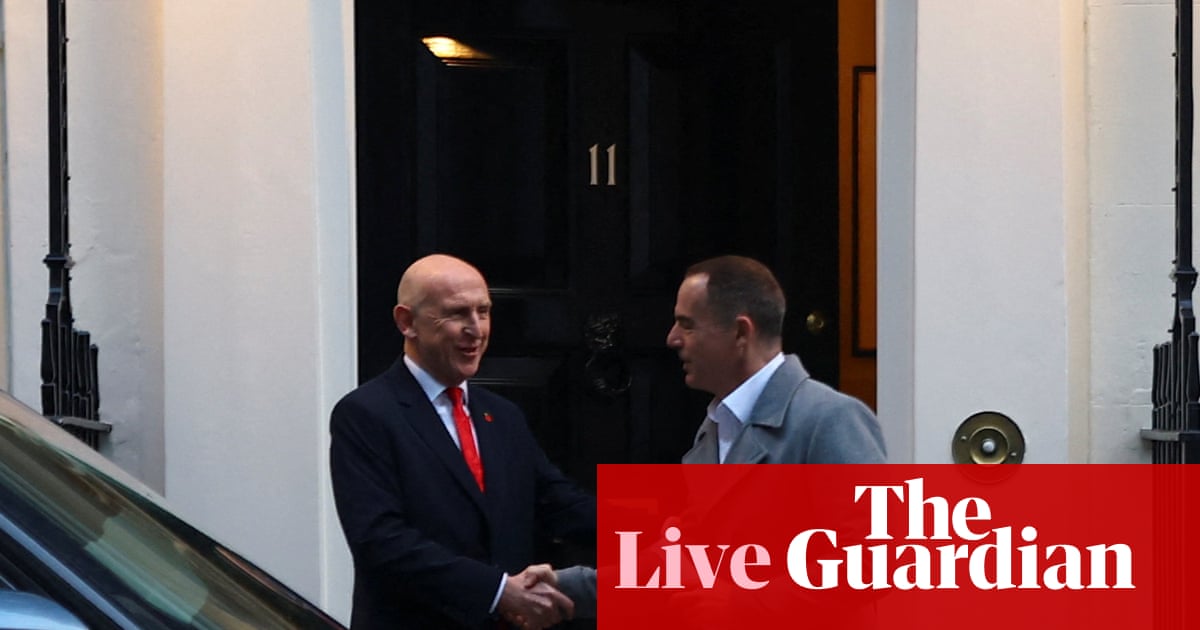
- Chancellor John Healey announced the abolition of standing charges on gas bills to reduce costs for households.
- The change is expected to affect approximately 23 million homes across the United Kingdom.
- Implementation is scheduled to begin in 2027, marking a significant shift in how energy providers bill consumers.
The UK government has announced plans to scrap standing charges on gas bills, a move designed to reduce energy costs for millions of households. Chancellor John Healey revealed the policy change, stating that it would help families by eliminating fixed fees that have long been a contentious part of utility billing. The decision marks a significant intervention in the energy market, aiming to address public concerns over the fairness and affordability of household energy payments.
Standing charges are daily fees added to gas bills regardless of how much energy is consumed. Critics have argued that these charges disproportionately affect low-income households and those who use less gas, as they represent a fixed cost that cannot be reduced by conservation efforts. By abolishing these charges, the government intends to make payments more directly tied to actual usage, thereby creating a fairer system for consumers.
The policy is expected to impact approximately 23 million homes across the United Kingdom. This widespread reach underscores the significance of the change, as it affects a large portion of the population. The announcement has been met with interest from various quarters, including consumer advocacy groups and energy providers, who will need to adjust their billing structures in response to the new regulations.
Implementation of the policy is scheduled to begin in 2027. This timeline allows for a transition period during which energy companies can adapt their systems and pricing models. The delay also provides time for the government to assess the broader economic implications of the change and ensure that it does not inadvertently lead to other forms of cost increases for consumers.
Healey’s announcement comes amid ongoing discussions about the cost of living in the UK. Energy prices have been a major concern for households, with many struggling to afford basic utilities. By removing standing charges, the government hopes to provide immediate relief to some families while signaling a commitment to long-term affordability. The move aligns with broader efforts to support households facing financial pressure.
The decision has drawn attention from political opponents and industry stakeholders alike. Some critics may argue that removing standing charges could lead to higher variable rates for gas, potentially offsetting the benefits for certain consumers. However, the government maintains that the change will result in overall savings for most households, particularly those with lower energy usage.
Energy providers will need to restructure their pricing models to comply with the new regulations. This may involve shifting costs from fixed charges to variable rates based on consumption. The transition could be complex, requiring significant adjustments to billing systems and customer communication strategies. Providers will also need to ensure that they remain profitable while adhering to the new rules.
The announcement has been widely reported in the media, with headlines highlighting the potential impact on household budgets. Public reaction appears to be largely positive, with many welcoming the move as a step toward greater fairness in energy billing. Social media trends indicate strong interest in the policy, reflecting broader concerns about cost-of-living pressures.
As the implementation date approaches, further details are expected to emerge regarding how the change will be enforced and monitored. The government may introduce additional measures to ensure that energy providers comply with the new regulations and that consumers benefit as intended. Transparency in billing practices will likely become a key focus area for regulators.
The abolition of gas standing charges represents a notable shift in UK energy policy. By addressing a long-standing grievance among consumers, the government aims to improve public trust in utility markets and provide tangible relief to households. The success of the initiative will depend on effective implementation and ongoing monitoring to ensure that it achieves its intended goals without unintended consequences.
Sources behind this briefing
Go to the original reporting
- Bloomberg.com↗Healey to Scrap UK’s Standing Charges on Gas Bills
- Reuters↗UK's Healey says he will help households by scrapping fixed gas charges
- The Guardian↗John Healey to end standing charges on gas bills for 23m homes
- marketscreener.com↗UK Government to Scrap Gas Standing Charges From 2027