The short version
- The government plans to remove gas standing charges for most households, a move expected to save three-fifths of homes an average of £45 annually despite higher unit costs.
- New housing initiatives include a scheme allowing first-time buyers in England to purchase properties with a 2.5% deposit, supported by a government loan covering 20% of the value.
- Welsh ministers are demanding increased funding for public services and railways, arguing that current allocations fail to reflect the region's economic contributions.
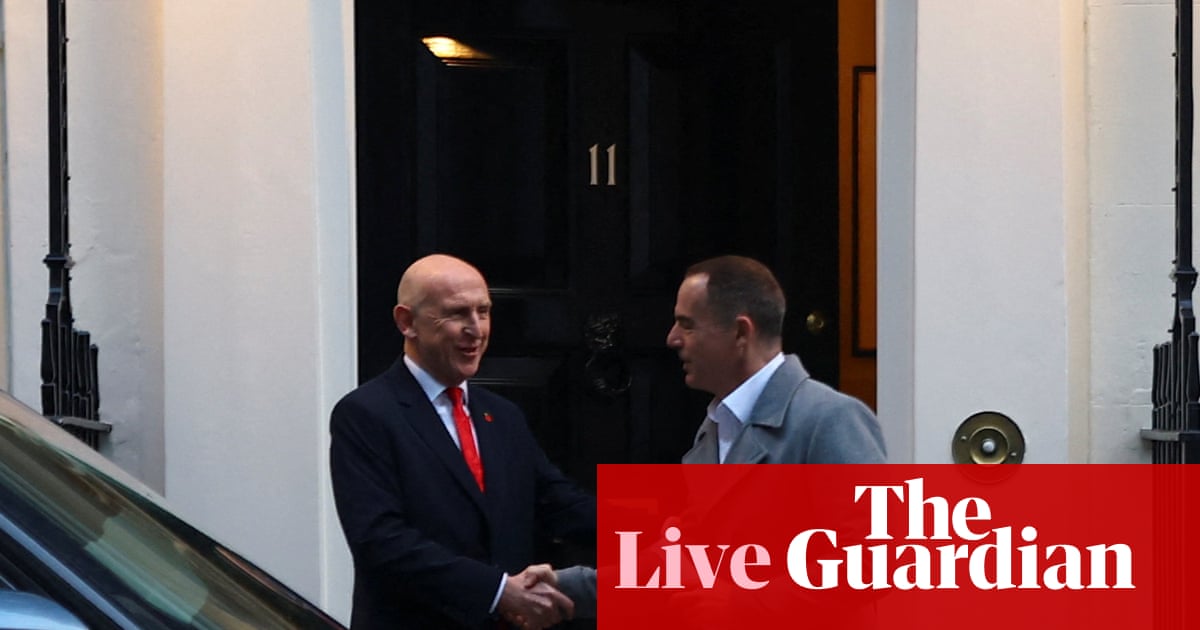
The UK government is set to present a fiscal statement focused on providing immediate relief to households rather than pursuing sweeping structural reforms. Chancellor John Healey will deliver his first budget on Wednesday, framing the measures as a way to create breathing space for families and businesses struggling with persistent inflation. Prime Minister Andy Burnham has signaled that while radical changes remain part of the long-term agenda, the current priority is low-risk interventions designed to stabilize living standards without destabilizing public finances.
A central component of the plan involves restructuring household energy costs. The government intends to eliminate standing charges for approximately 23 million homes, removing fixed daily fees that average £108 per year. However, this adjustment will be accompanied by higher unit rates for gas consumption. Treasury estimates suggest that while lower-consumption households will see net savings, those with high usage may face increased bills overall. The energy regulator Ofgem is tasked with implementing these changes in 2027 or as soon as feasible thereafter.
Beyond energy adjustments, the budget includes targeted support for food affordability and transportation costs. Tariffs on 100 specific food items will be removed, potentially saving households up to £21 annually when combined with existing suspensions. Additionally, fuel duty is expected to remain frozen, maintaining a 5p reduction introduced by the previous administration in 2022. These measures aim to mitigate the impact of rising prices driven by global conflicts and supply chain pressures, particularly affecting rural residents who rely on heating oil and motorists facing elevated petrol costs.
Housing policy will also feature prominently, with detailed plans for a new initiative aimed at assisting first-time buyers in England. The scheme allows purchasers to acquire newly built homes with a deposit of just 2.5%, supplemented by a government loan covering 20% of the property's value. Eligibility is restricted to individuals or couples with combined incomes below £110,000 outside London and £140,000 within the capital. This approach seeks to address affordability challenges without directly intervening in broader market dynamics.
Labor market adjustments include a rise in the minimum wage, though the increase for workers aged 18 to 20 will be smaller than in recent years. This decision marks a shift from previous efforts to eliminate age-based pay disparities, aligning younger workers' raises with those for employees aged 21 and over. Meanwhile, pensioners relying solely on state pensions are expected to receive protection from income tax through an adjusted personal allowance, preventing one million people from paying tax as pension thresholds rise above current limits.
Revenue generation strategies appear to target financial institutions and digital platforms. Bank executives anticipate higher taxes, potentially including the reversal of profit surcharge reductions and increased levies on balance sheets. Online retailers may also be required to collect taxes owed by traders using their services, with proceeds directed toward reducing business rates for small companies. These measures reflect an effort to balance support for households with fiscal responsibility, leveraging sectors perceived as having greater capacity to absorb additional costs.
Regional disparities have emerged as a significant point of contention, particularly in Wales. Finance Minister Elin Jones has called for fairer treatment, requesting accelerated funding for railways and public services. She argues that the current settlement could be the worst since the pandemic, citing real-term cuts in day-to-day spending. Calls for greater borrowing flexibility to fund investment projects underscore tensions between Westminster's centralized fiscal control and devolved governments' needs.
Public sentiment remains anxious, with shoppers expressing concern over winter expenses and the erosion of disposable income. Market traders report rising costs passed down from suppliers, impacting everything from fresh produce to pet supplies. While the government emphasizes resilience and growth metrics, individual experiences highlight the gap between macroeconomic indicators and daily financial pressures. The upcoming budget aims to narrow this divide through targeted interventions, though its long-term effectiveness will depend on sustained economic stability and policy implementation.
Sources behind this briefing
Go to the original reporting
- The Guardian World↗Budget 2026 live: chancellor says scrapping of gas standing charges will save 60% of homes £45 a year
- BBC News↗What could be in the Budget?
- BBC Business↗Plaid demands more cash, but how could the Budget affect Wales?