The short version
- Tennessee has been selected as one of five states to host a potential federal nuclear lifecycle innovation campus.
- The initiative aims to address the growing crisis of spent fuel storage while revitalizing the region's historic nuclear industry.
- Local residents express concern over health impacts from past operations, contrasting with state officials' hopes for economic growth.
Tennessee has emerged as a leading contender in a federal effort to restructure how the United States manages its nuclear materials. The Department of Energy recently identified the Volunteer State as one of five finalists to host a new nuclear lifecycle innovation campus. This selection places Tennessee at the center of a national strategy to address the logistical and political challenges associated with spent nuclear fuel, which currently sits in interim storage across eighty-five sites.
The proposed campuses represent a shift in federal approach to nuclear waste management. Rather than imposing a repository on unwilling communities, as seen with the stalled Yucca Mountain project in Nevada, the Department of Energy is inviting states to volunteer as hosts. These industrial centers would serve multiple functions beyond simple storage. They are designed to include uranium enrichment, fuel fabrication, reprocessing of spent fuel, and potentially energy generation, with waste management serving as the anchor activity.
Tennessee’s candidacy is rooted in its deep historical ties to the nuclear industry. During World War II, the federal government selected Oak Ridge, then a remote farming community in the southern Appalachians, as a critical site for the Manhattan Project. The region developed extensive expertise in nuclear weapons development and energy production. Today, the area remains home to the Y-12 National Security Complex and the Oak Ridge National Laboratory, institutions that continue to play vital roles in national security and scientific research.
State officials view this moment as an opportunity for economic revival. They hope to leverage the region’s legacy to attract billions of dollars in investment and create jobs. The promise of employment is a significant driver of support for the nuclear renaissance in East Tennessee. Recent developments, such as BWX Technologies’ purchase of a former rocket manufacturer in Jonesborough, illustrate this trend. The company announced plans for a major expansion involving a ten-year, $1.6-billion contract to supply high-purity depleted uranium to the Y-12 complex.
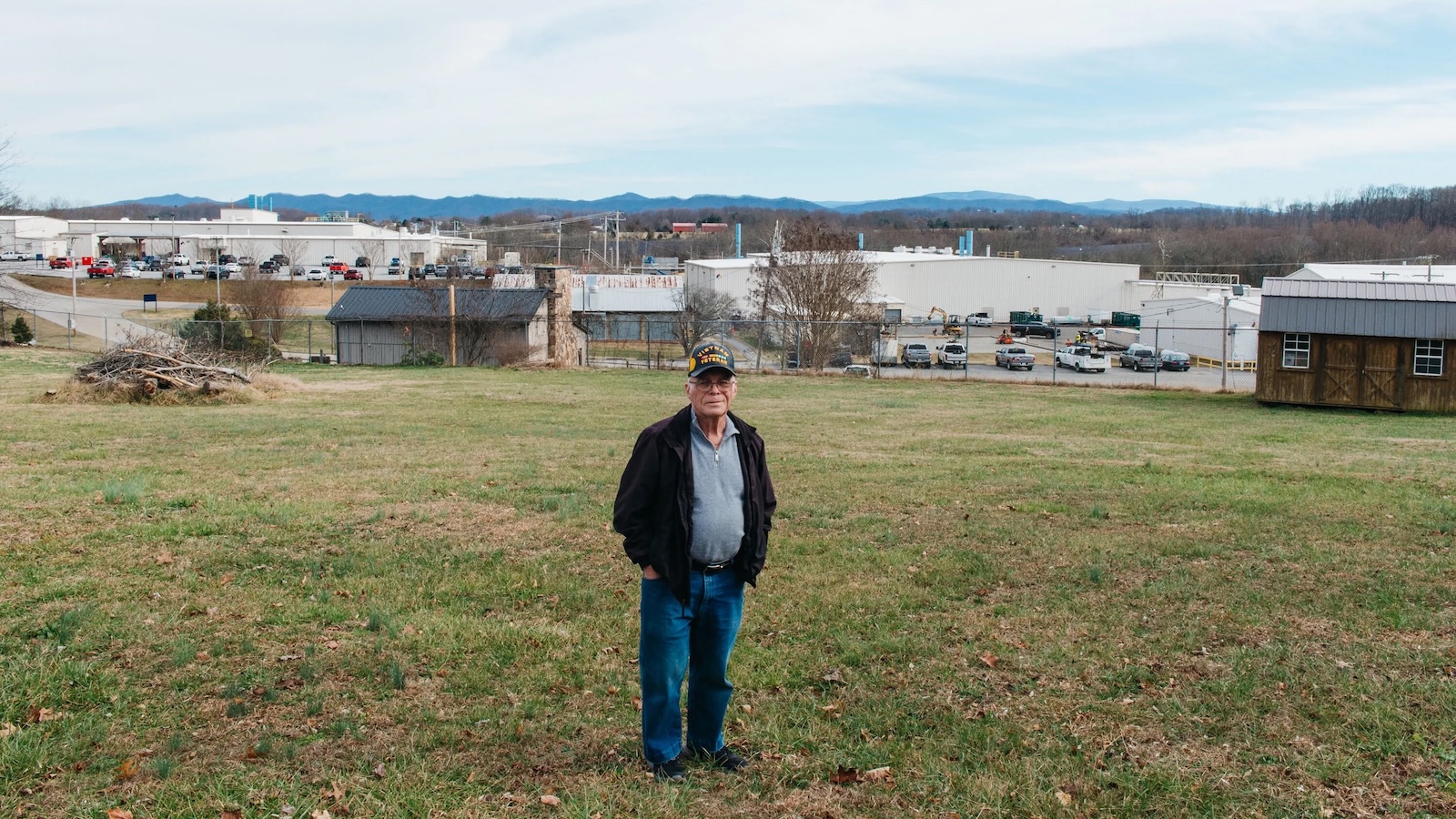
However, the prospect of renewed nuclear activity has sparked significant opposition among some local residents. Many point to the region’s history of contamination, accidents, and health issues linked to past industrial operations. Luther Miller, a former worker at an Aerojet facility in Jonesborough, worries that his thyroid and bladder problems, as well as his wife’s kidney disease, may be connected to exposure at the plant. He and other neighbors fear that expanding nuclear operations will turn beautiful parts of Tennessee into areas dominated by nuclear waste.
The urgency of finding a solution for spent fuel is growing. The nation’s interim storage sites currently hold more than 86,000 tons of radioactive waste. This volume is substantial enough to fill a football field nearly ten yards deep. With political momentum pushing for an increase in nuclear energy output, the need for permanent or long-term storage solutions has become increasingly critical. The federal government has long sought to build a deep underground repository, but previous efforts have failed due to public and political opposition.
Proponents of the new campuses argue that they offer a more sustainable path forward. By integrating waste management with other aspects of the nuclear fuel cycle, these facilities could provide a comprehensive solution to industry challenges. Ronald Daily, president of operations at BWX Technologies, emphasized the region’s historical contribution to national defense and energy security. He noted that the industrious nature of Appalachia was key to developing U.S. defense capabilities during World War II.
The competition among the five finalist states—Tennessee, Utah, Oklahoma, Louisiana, and Idaho—will continue as discussions with the Department of Energy proceed. Each state brings unique advantages and challenges to the table. For Tennessee, the decision involves balancing the potential for economic growth against the legitimate concerns of residents who remember the health and environmental costs of the past. The outcome will likely influence not only the future of nuclear policy in the United States but also the trajectory of communities that have long been intertwined with the atomic age.
As negotiations advance, stakeholders on all sides are watching closely. The success or failure of this initiative could set a precedent for how the country handles its nuclear legacy. If Tennessee is selected, it would mark a significant step toward resolving the waste storage crisis while revitalizing a region defined by its nuclear history. Conversely, if the project stalls, the nation will face continued uncertainty regarding the safe and secure management of radioactive materials.
The debate underscores the complex relationship between technological progress and community well-being. While experts at Oak Ridge National Laboratory see an opportunity to apply their expertise for public good, local voices remind policymakers of the human cost associated with nuclear industry expansion. The final decision will require careful consideration of both economic benefits and environmental responsibilities, ensuring that any new developments do not repeat the mistakes of the past.
Sources behind this briefing
Go to the original reporting
- Grist↗Tennessee helped usher in the nuclear age. It wants to lead the way again.