The short version
- The Senate farm bill remains stalled after Democrats blocked its advancement, citing unresolved issues regarding Supplemental Nutrition Assistance Program funding.
- Republicans hold a chamber majority but lack the sixty votes required for passage, making bipartisan support essential before the November elections.
- Some agricultural groups view the legislative deadlock as preferable to passing a bill that includes controversial animal welfare provisions and conservation cuts.
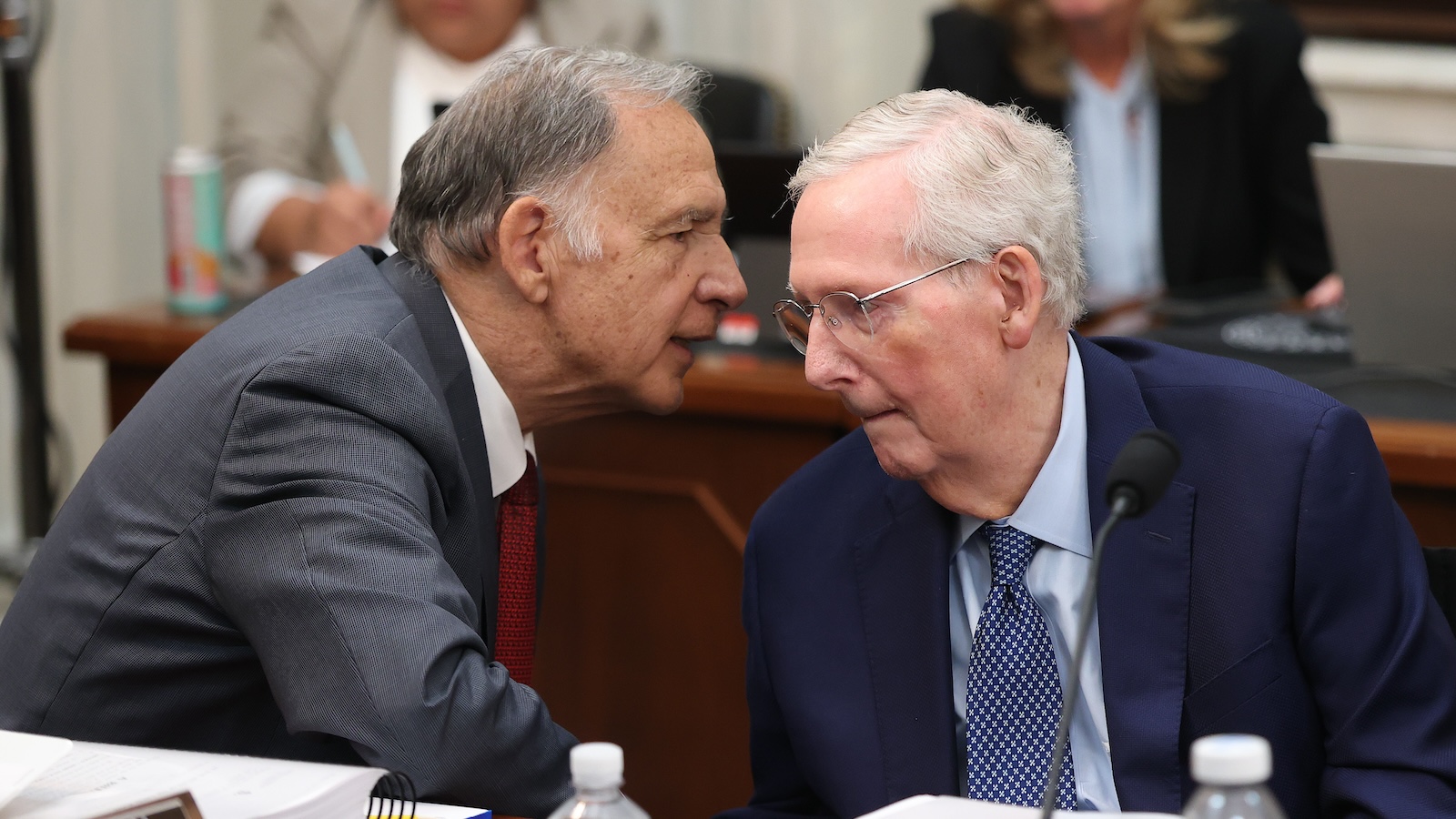
The effort to renew the United States’ primary agricultural legislation has encountered another significant obstacle, with the Senate farm bill failing to advance out of committee. Senator Mitch McConnell returned to Washington after a three-month absence and cast a decisive vote in the Republican-led agriculture committee last Tuesday. Despite this procedural step, the legislative path forward remains blocked because Democratic members refused to allow the measure to proceed to a full chamber vote. This development suggests that Congress is unlikely to pass a new farm bill this year, marking the fourth consecutive year that lawmakers have failed to update the nation’s cornerstone agricultural policy.
The central point of contention involves changes to the Supplemental Nutrition Assistance Program. Democrats on the agriculture committee have stated they will not support any version of the bill that fails to restore funding for SNAP. This stance follows the enactment of the One Big Beautiful Bill Act last summer, which President Donald Trump signed into law and which reduced SNAP funding by $186 billion. The current draft of the Senate farm bill does not reverse these cuts. Additionally, Democrats are pushing for a delay in a structural change to SNAP that would increase administrative costs for states running the food assistance program. Because the committee-approved bill addresses neither of these concerns, it appears difficult to envision how Senate Democrats would vote in favor of the package on the floor.
The political arithmetic further complicates the situation. While Republicans hold a majority with fifty-three seats in the Senate, passing legislation requires sixty votes to overcome potential filibusters. This means Republican leaders must persuade several Democratic colleagues to support the bill within a short timeframe. With midterm elections scheduled for November, the window for negotiation is narrowing rapidly. The inability to bridge this divide leaves the agricultural sector without a new legislative framework, forcing reliance on existing mechanisms.
The implications of these SNAP cuts extend beyond immediate food assistance for low-income families. They also affect farmers who rely on SNAP beneficiaries as customers. Jody Osmund, a founding member of the FACE Ag Network, noted that rural areas typically have higher rates of SNAP participation than urban centers. Consequently, reduced funding in these programs hurts rural communities and the agricultural producers within them. The financial strain on small- and medium-sized farmers is particularly acute given rising input costs and unstable trade markets, making the calculus for growing food increasingly difficult.
State governments also face budgetary pressures due to the proposed changes. Mike Lavender, policy director of the National Sustainable Agriculture Coalition, warned that states may need to rethink their budgets if they receive less funding overall for agricultural programs. This could force difficult decisions regarding how to allocate resources between SNAP administration and other state priorities such as education or transportation. These fiscal constraints could impact state departments of agriculture and reduce support for local farming initiatives.
Despite the broader disagreements, some elements of the Senate bill have drawn praise from specific agricultural groups. Notably, the legislation excludes the Save Our Bacon Act, a provision that would have made it easier for livestock producers to use certain confinement practices for animals. Osmund described this exclusion as encouraging, reflecting successful advocacy by coalition members who traveled to Washington to lobby lawmakers against the measure. This outcome highlights areas where environmental and animal welfare advocates found common ground with legislative outcomes, even amidst broader deadlock.
However, other aspects of the bill remain unpopular among conservation-focused groups. The Senate version includes cuts to programs such as the Environmental Quality Incentives Program and the Conservation Stewardship Program. Osmund argued that these programs suffer not only from inadequate funding but also from structural issues that direct money toward less sustainable practices, such as managing waste on industrial livestock operations. He advocated for redirecting conservation dollars toward climate adaptation on farms rather than supporting large-scale confinement operations.
Given the legislative impasse, some stakeholders view the failure to pass a new bill as a preferable outcome. In the absence of bipartisan cooperation, many federal agricultural programs will likely continue to be funded through stopgap measures that extend the 2018 farm bill. Osmund suggested that continuing the previous legislation, while not ideal, is better than passing the current versions which contain provisions detrimental to sustainable farming and rural communities. This perspective underscores a strategic calculation among some agricultural advocates that maintaining the status quo may be less harmful than enacting controversial changes.
As the midterm elections approach, the likelihood of resolving these disputes diminishes. The combination of deep ideological divides over social safety net programs and narrow political margins creates a scenario where legislative inaction is the most probable result. Farmers and rural communities will continue to operate under existing rules, facing uncertainty regarding long-term policy direction. The failure to pass a farm bill this year reinforces a pattern of legislative gridlock that has characterized recent years, leaving critical agricultural and nutrition policies in limbo.
The situation highlights the complex interplay between agricultural policy, social welfare, and political strategy. With no clear path to securing the necessary votes for passage, Congress appears poised to let current provisions expire or extend them temporarily. This outcome affects millions of Americans who rely on SNAP benefits as well as the farmers who depend on a stable policy environment. The coming months will reveal whether any last-minute negotiations can break the deadlock or if the agricultural sector must prepare for another year without comprehensive legislative renewal.
Sources behind this briefing
Go to the original reporting
- Grist↗Has the farm bill hit a dead end?