The short version
- Amanda Stoker was appointed as Queensland’s minister for the prevention of domestic violence, a role that includes oversight of the child safety system.
- Advocates and former officials have expressed concern due to Stoker’s previous public statements questioning the validity of some sexual assault claims and emphasizing the rights of the accused.
- Supporters within her office argue that her legal background ensures a commitment to procedural fairness, while critics warn her views may discourage victims from reporting crimes.
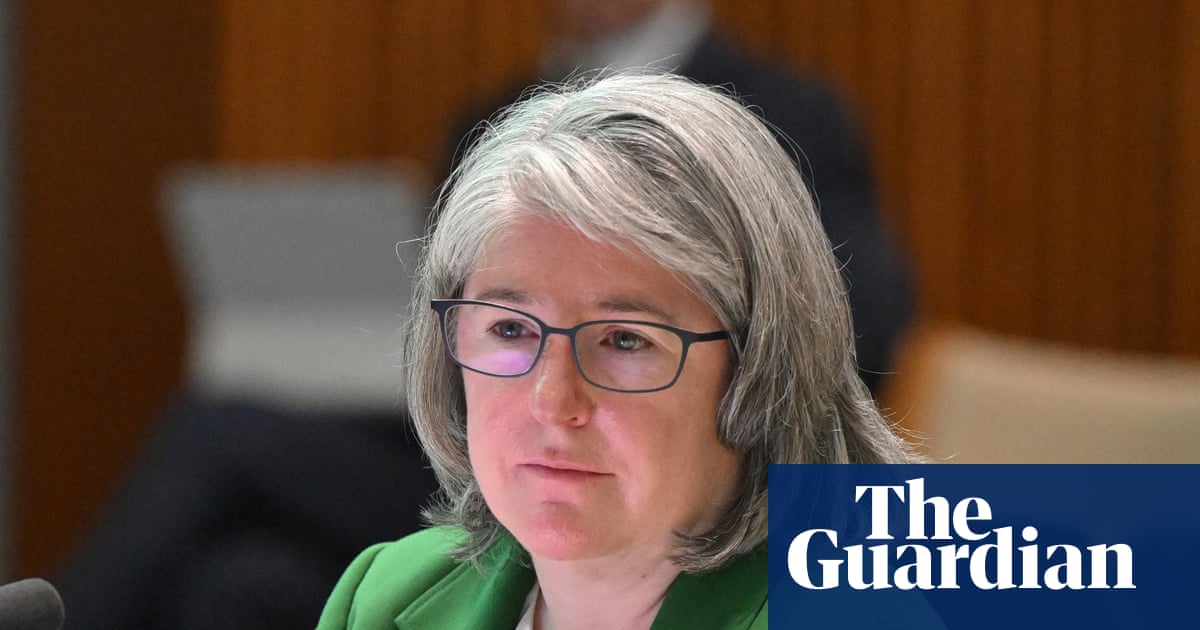
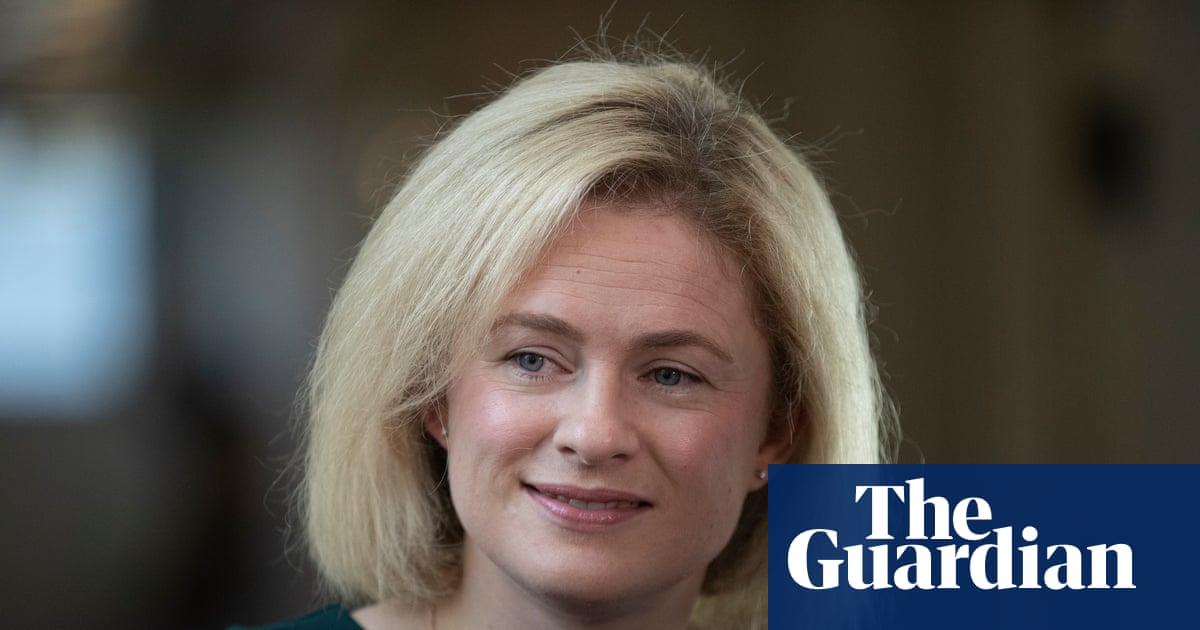
The Queensland government has appointed Amanda Stoker as the state’s new minister for the prevention of domestic violence, a decision that has immediately drawn scrutiny from women’s safety advocates and community organizations. Stoker, a former federal senator and current member of parliament for the Liberal National Party, took on the portfolio following the resignation of her predecessor, Amanda Camm. The role carries significant responsibility, overseeing not only domestic violence prevention strategies but also the broader child safety system within the state.
The controversy surrounding the appointment stems from Stoker’s public record regarding sexual assault and domestic violence allegations. In a 2023 opinion piece published by the Menzies Research Centre, Stoker argued against recent victim-focused reforms in the criminal justice system. She contended that the cultural push to believe accusers without careful assessment of evidence could harm innocent defendants. Her comments suggested that some allegations are false and that the legal system must prioritize procedural fairness for the accused alongside respect for victims.
Stoker has a history of advocating for the rights of those accused of sexual misconduct. During her time in the federal Senate, she became known for her conservative stance on social issues, including speaking at anti-abortion rallies. In 2019, she told Sky News that while victims should not be harmed, society must also guard against the harm caused by false allegations. These positions have led critics to view her appointment as misaligned with the state government’s stated commitment to placing victims at the center of policy decisions.
Prominent figures in the advocacy community have voiced their disappointment. Grace Tame, a former Australian of the Year and prominent campaigner against sexual violence, described the appointment as disappointing. Tame had previously criticized Stoker’s federal ministerial role in 2021, citing concerns over her approach to sexual assault issues. The reaction from Tame underscores the deep divisions within the sector regarding how best to balance justice for victims with the rights of the accused.
Beyond public criticism, there are reports of private concern among professionals working directly with survivors in Queensland. Several individuals who support victims of domestic and sexual violence expressed unease about Stoker taking charge of the portfolio. However, these concerns were shared privately, as many organizations operate in an environment where they feel pressured not to criticize the government publicly. Some groups have faced funding cuts or warnings, creating a climate of caution that limits open dialogue about leadership changes.
Proponents of Stoker’s appointment point to her legal background and emphasis on due process. A spokesperson for the minister stated that there is broader context to her previous comments and that she cares deeply about procedural fairness in all cases. The office emphasized that Stoker supports the policy direction of the Crisafulli government and looks forward to engaging with stakeholders within her new remit. They framed her perspective as one that seeks to maintain the integrity of the justice system while addressing violence against women.
The debate highlights a fundamental tension in how society approaches sexual and domestic violence. Research indicates that false allegations in such cases are rare. The Queensland Police Service has stated on its website that there is no evidence to suggest many women make vexatious reports, noting that the rate of false claims is very low. Law enforcement officials argue that myths about false allegations contribute to under-reporting, as victims fear disbelief or blame if they come forward.
Karen Bevan, CEO of Full Stop Australia, emphasized the importance of leadership messaging in shaping public behavior. She noted that what leaders say about sexual violence influences whether individuals decide to disclose their experiences. Bevan argued that believing a survivor when they disclose abuse is distinct from determining guilt in a court of law. She stressed that police investigations and judicial processes remain essential for testing evidence, and that a fair trial system can coexist with one that supports victim-survivors.
As Stoker begins her tenure, the focus will likely shift to how she implements policy within the domestic violence and child safety sectors. Her office has not directly addressed specific questions regarding the consistency of her past statements with current government promises. The coming months may reveal whether her approach aligns more closely with traditional legal conservatism or adapts to the evolving needs of victim support services in Queensland.
The appointment serves as a flashpoint for broader discussions about accountability, belief, and justice in cases of gender-based violence. While some welcome her focus on procedural rights, others fear that her skepticism may undermine efforts to encourage reporting and support survivors. The outcome of this leadership change will depend on how effectively Stoker can bridge these competing priorities while fulfilling the mandates of her new role.
Sources behind this briefing
Go to the original reporting
- The Guardian World↗We shouldn’t ‘blindly’ believe allegations of violence against women, Queensland’s new DV minister said in resurfaced comments