The short version
- Labour backbenchers are lobbying Prime Minister Andy Burnham and Chancellor John Healey to prevent interference in Energy Secretary Miatta Fahnbulleh's pending decision on the Rosebank oilfield.
- Tensions have risen after reports indicated Fahnbulleh may block the project, while senior ministers appear supportive of approval for economic reasons.
- The Treasury has included projected tax revenues from Rosebank in its forecasts, a move critics argue creates undue pressure to approve the development.
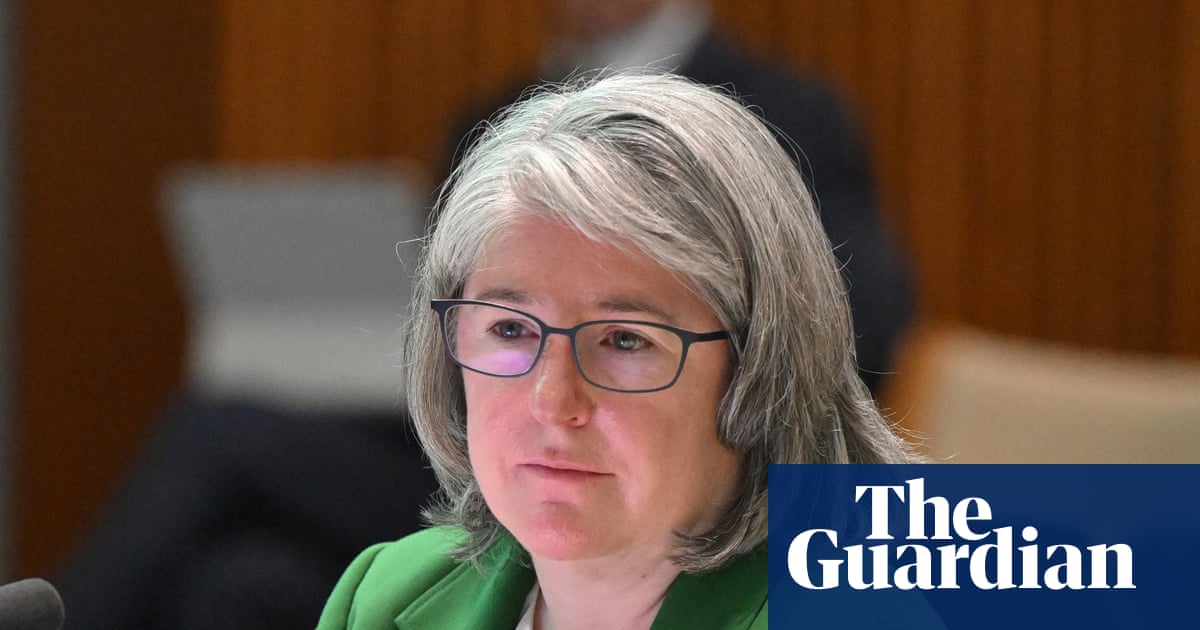
A significant rift is emerging within the Labour government over the future of the Rosebank oilfield, with backbench members of parliament urgently warning party leadership against overriding the energy secretary. The controversy centers on whether Miatta Fahnbulleh will be allowed to make an independent decision regarding environmental permissions for the project or if senior ministers will intervene to secure its approval. This internal conflict highlights the growing difficulty of balancing economic interests with climate commitments in the current political landscape.
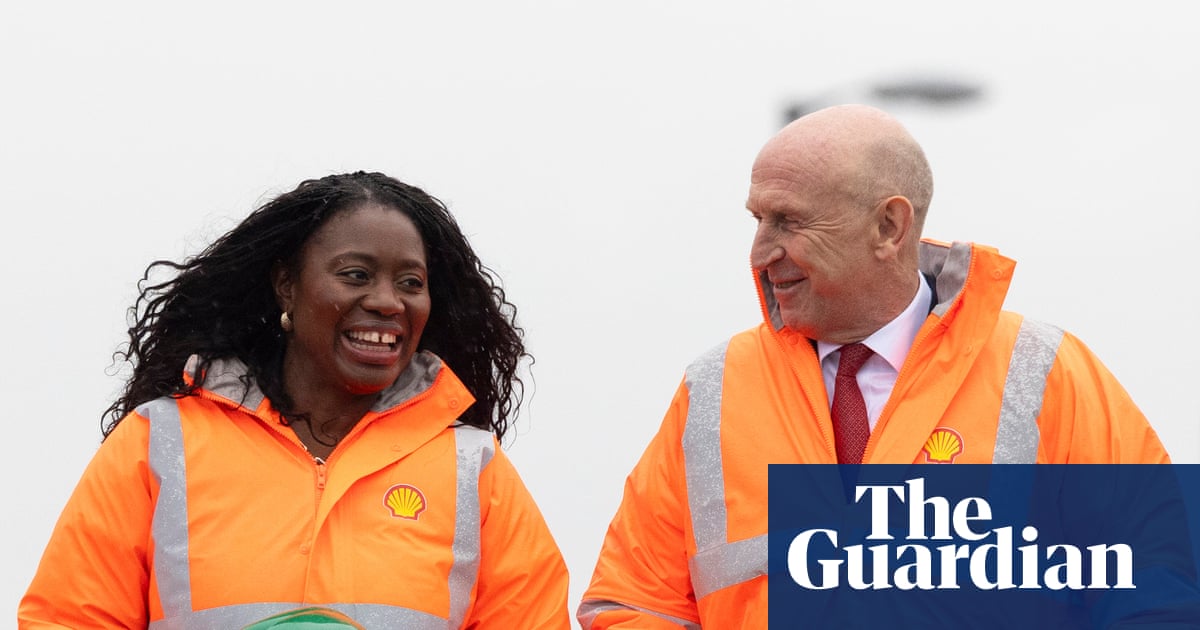
Sources indicate that Fahnbulleh is inclined to refuse permission for the Rosebank development due to environmental concerns. However, this stance appears to clash with the views of other high-ranking officials. Chancellor John Healey has signaled his support for the scheme, and there is a widespread belief within government circles that Prime Minister Andy Burnham also favors moving forward with the project. These divergent positions have created an atmosphere of uncertainty and alarm among MPs who are closely monitoring the situation.
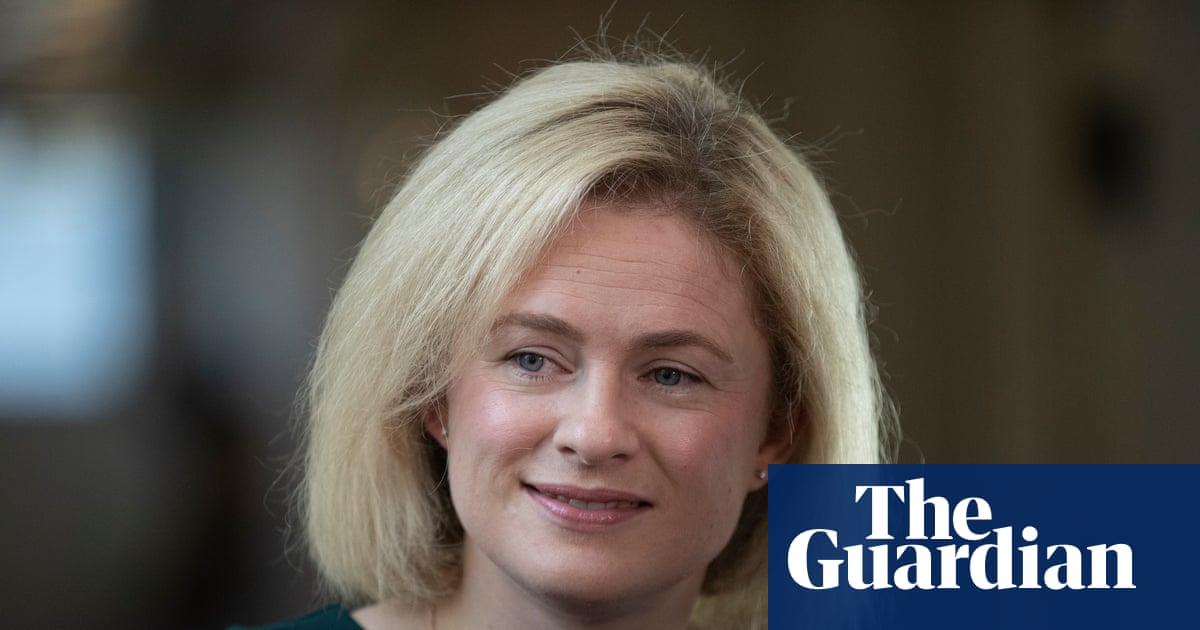
Backbenchers concerned about the environmental implications of new oil extraction are actively lobbying their whips and Downing Street officials. They argue that allowing other cabinet members to influence Fahnbulleh’s judgment would undermine the integrity of the decision-making process. Catherine Fookes, a Labour member of the energy select committee, emphasized that approving Rosebank would severely damage the party’s green credentials. She noted that a group of MPs is making it clear to leadership that this must remain Fahnbulleh’s sole responsibility.
The intensity of the opposition from within the party cannot be overstated. One MP described the potential political consequences as explosive, warning that forcing through the project against the energy secretary’s wishes could lead to severe backlash. Another lawmaker characterized the position Fahnbulleh has been placed in as intolerable, citing briefings that suggest she may be overruled. These concerns have been raised directly with Healey during budget meetings, indicating that the issue has permeated multiple levels of government discussion.
In response to these anxieties, parliamentary aides for Fahnbulleh circulated a memo to MPs insisting that she retains final authority over the proposals. The document clarified that no decision had yet been made and that the energy secretary is the only official with the power to approve or reject the scheme. It emphasized that the process is quasi-judicial and that no other cabinet member has access to the advice or plays a role in the outcome. This assertion of independence aims to reassure backbenchers that procedural norms will be respected.
Prime Minister Burnham has publicly stated that the decision rests solely with Fahnbulleh, promising a pragmatic approach to North Sea oil drilling. He previously described the approved Jackdaw gasfield as a bridge to the future, suggesting a transitional strategy for energy production. However, his recent comments in the Commons sparked speculation about his true stance on Rosebank. By arguing that using reserves can accelerate a clean energy future, he echoed the logic used to justify the Jackdaw approval, leaving many to wonder if he will apply the same reasoning to Rosebank.
A key point of contention involves the financial projections made by the Treasury. Reports revealed that tax revenues from the Rosebank scheme, estimated at around £500 million by the end of the current parliament, have already been factored into government forecasts. Treasury officials defended this inclusion, stating it has been part of Office for Budget Responsibility projections since 2019 and does not prevent Fahnbulleh from blocking the project. They argued that excluding new fields would result in a steeper annual decline in oil and gas production estimates.
Despite these assurances, some Labour MPs believe the Treasury is employing aggressive tactics to pressure the energy department. One lawmaker criticized the approach as macho bullshit, suggesting an attempt to strong-arm Fahnbulleh into compliance. Clive Lewis argued that claiming global climate leadership while approving new oilfields based on penciled-in tax receipts is contradictory. He pointed out that these figures are operator estimates rather than guaranteed revenue, questioning the validity of using them as a justification for environmental compromise.
Analysis by campaign group Uplift suggests that the actual tax take from Rosebank may be limited and potentially outweighed by tax breaks and incentives offered for development and decommissioning. Environmental advocates argue that approving new drilling in a declining basin leaves public services vulnerable to future oil price fluctuations and taxpayers responsible for long-term decommissioning costs. As the government navigates this complex issue, the tension between fiscal planning and environmental stewardship remains unresolved.
Sources behind this briefing
Go to the original reporting
- The Guardian World↗Angry Labour MPs urge leadership not to overrule energy secretary on Rosebank