The short version
- Senior Australian Defence officials endorsed a proposal to ask Senate committees to restrict social media sharing of witness testimony.
- The request was rejected by the committee, with critics arguing that open hearings cannot be censored by witnesses or their employers.
- Internal correspondence highlights tensions between public transparency and concerns regarding online harassment and national security risks.
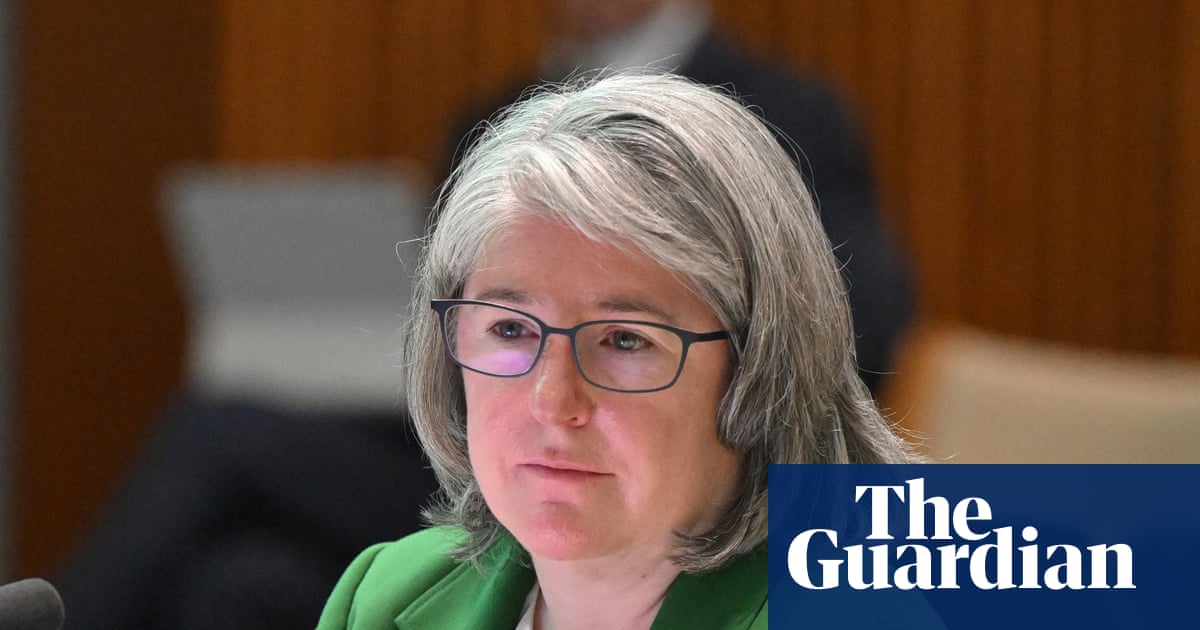
Senior officials within Australia’s Department of Defence actively supported a controversial proposal to restrict the sharing of Senate hearing footage on social media platforms. Newly obtained internal emails reveal that Deputy Secretary Celia Perkins sought approval for a statement asserting that defence witnesses did not consent to having their evidence reposted online. The request was endorsed by Department Secretary Meghan Quinn and flagged with the offices of Deputy Prime Minister Richard Marles and Assistant Defence Minister Peter Khalil, indicating high-level institutional backing for the initiative.
The controversy centers on Perkins’ testimony before a Senate estimates committee in September, where she stated that defence witnesses do not consent to the reposting of their evidence. She cited previous instances where edited or embellished videos from hearings had generated inappropriate and personal commentary, which she described as distressing for staff and inviting ridicule and abuse. The department’s position relied on a submission from the secretaries board of the Australian Public Service, which raised similar concerns about evidence being taken out of context.
Internal correspondence shows that Perkins framed the request as a matter of workplace safety and national security. In an email to Secretary Quinn in late August, Perkins argued that discouraging social media presence for security clearance holders is standard practice within the department. She warned that posts designed to provoke outraged responses could increase personal risk from malign online actors, including cyber threats and foreign intelligence operations. Quinn responded positively, expressing full support for using language that explicitly stated witnesses did not consent to edited reproductions of their testimony.
The proposal faced immediate pushback during the hearing itself. Greens Senator David Shoebridge objected strongly, arguing that evidence given in an open public hearing belongs to the Australian public and cannot be censored by witnesses or their employers. The committee ultimately rejected Perkins’ request based on advice from the Senate clerk, affirming the principle that public testimony remains accessible regardless of witness preferences.
Despite the rejection, internal emails indicate a coordinated effort among senior defence leadership to craft defensible language for the statement. Perkins consulted with fellow deputy secretaries John Reid and Cath Patterson regarding the wording. Patterson described the proposed language as polite, clear, and safe, given the broader submission from the secretaries board. Reid agreed, suggesting minor adjustments that were incorporated into the final version read at the committee.
The incident highlights a growing tension between government transparency and the protection of public servants from online harassment. While the defence department did not provide an on-record response to inquiries, a spokesperson pointed to Secretary Quinn’s later comments supporting the secretaries board submission. Quinn argued that the treatment of staff after committee hearings can sometimes conflict with an employer’s duty to ensure employee health and safety.
Political offices involved in the correspondence declined to comment directly on whether they directed Perkins’ statement. However, it is understood that neither the deputy prime minister’s office nor the assistant defence minister’s office issued specific instructions regarding the content. The episode underscores the challenges faced by government agencies in balancing open accountability with the well-being of personnel who may face targeted abuse following public testimony.
The rejection of the request reinforces longstanding parliamentary norms regarding the openness of committee hearings. While concerns about cyber threats and online bullying are acknowledged as serious issues, the Senate clerk’s advice maintained that witnesses cannot unilaterally restrict public access to their evidence. The internal support for Perkins’ proposal suggests that such tensions may persist as government agencies navigate the digital landscape.
This episode serves as a case study in the evolving relationship between public institutions and social media. As online platforms become primary venues for political discourse, the potential for misuse of official testimony grows. The defence department’s stance reflects broader anxieties about national security and staff welfare, even as it clashes with democratic principles of transparency.
Future hearings may see continued debate over how to protect witnesses without compromising public access to information. The internal emails provide a rare glimpse into the strategic considerations behind such requests, revealing that they are not isolated incidents but part of a coordinated institutional response to perceived risks. The outcome of this specific request sets a precedent for how similar issues might be handled in future parliamentary proceedings.
Sources behind this briefing
Go to the original reporting
- The Guardian World↗Defence backed claim that social media footage of public servants could invite bullying