The short version
- NOAA announced it will no longer coordinate the annual Arctic Report Card, a key resource tracking environmental changes in the region since 2006.
- Agency officials stated that underlying data collection will continue and remain public, though the consolidated analysis tool is being discontinued without a stated reason.
- Scientists and former administrators warn the move undermines U.S. leadership in climate science and removes critical planning tools for infrastructure and safety in Alaska.
The National Oceanic and Atmospheric Administration has officially withdrawn its support for the Arctic Report Card, an annual publication that has documented environmental shifts in the polar region for two decades. Kim Doster, the agency’s communications director, confirmed on Tuesday that coordination of the 2026 edition will no longer be facilitated through NOAA. This decision marks a significant shift in how federal data regarding the Arctic is synthesized and presented to researchers, policymakers, and the public.
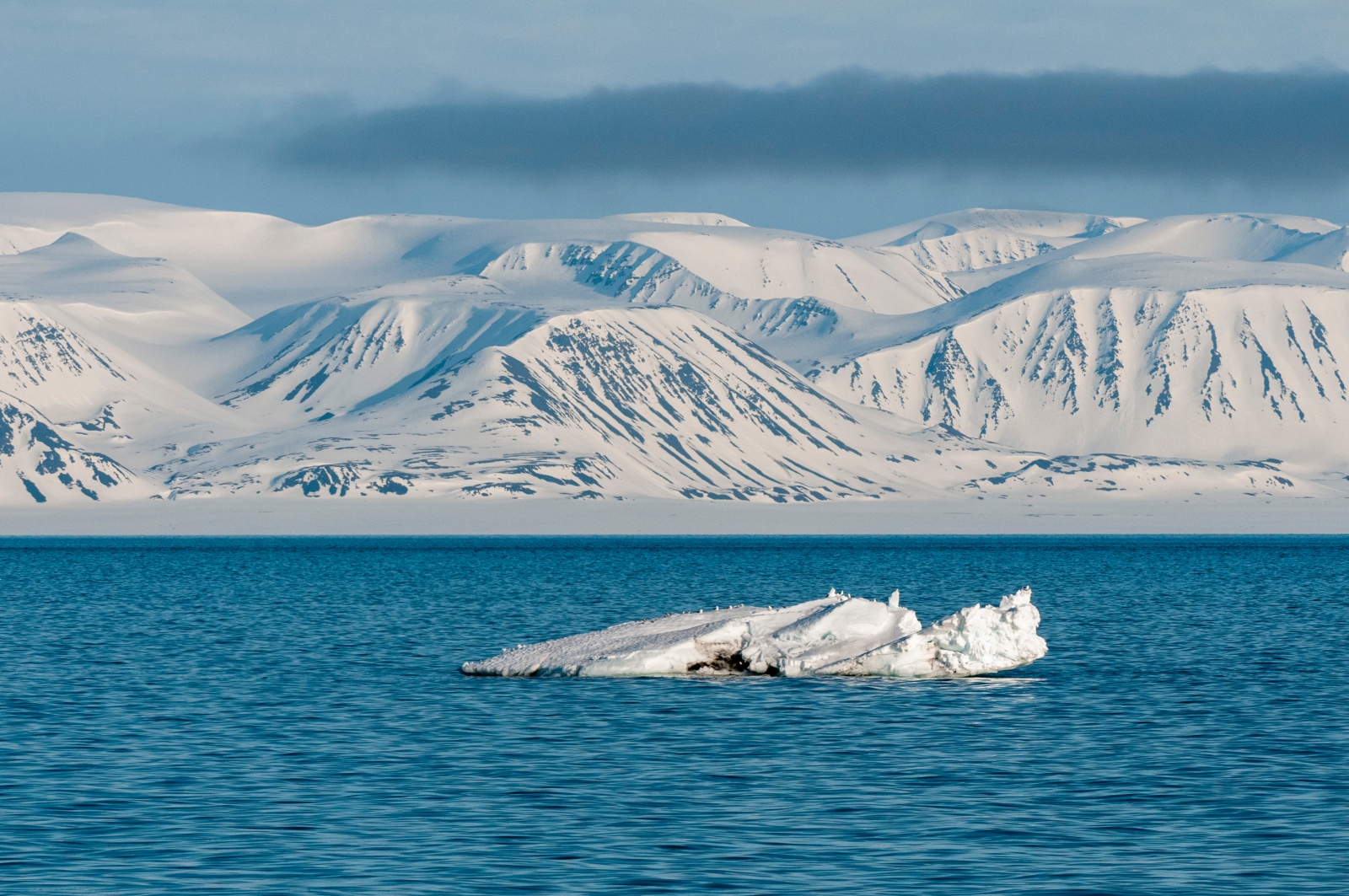
The report has served as a critical benchmark for understanding a region that is warming at four times the global average rate. Since its inception in 2006, the peer-reviewed publication has tracked changes across the atmosphere, oceans, cryosphere, and tundra. Recent editions have highlighted severe declines in sea ice, reversals in carbon sinks, and widespread ecosystem disruptions. The 2025 edition noted that surface temperatures from October 2024 through September 2025 were the highest recorded since 1900, while March 2025 saw Arctic winter sea ice reach its lowest maximum extent in 47 years of satellite observations.
NOAA did not provide a specific rationale for ending its coordination role. Doster told The New York Times that while the agency will stop facilitating the report, all data historically contributed by NOAA will continue to be collected and remain publicly accessible. The agency emphasized that other programs supporting research relevant to national security, weather prediction, navigation safety, and coastal economic vitality would proceed as planned. However, the removal of a centralized analytical framework leaves a gap in how these disparate data points are interpreted collectively.
The practical implications of this decision extend beyond academic circles. Rick Spinrad, who served as NOAA administrator under President Joe Biden, described the move as unconscionable, noting that the report provided essential baselines for future planning. He pointed out that communities dependent on Alaskan infrastructure, including oil pipelines and fishing industries, rely on such data to anticipate weather-related risks like frost heaves on roads in municipalities such as Anchorage and Fairbanks. Without this consolidated tool, local entities must independently locate data and hire analysts to interpret trends.
Environmental hazards documented in recent reports underscore the urgency of maintaining these records. The 2025 report detailed how thawing permafrost has released iron and other elements into more than 200 watersheds in Arctic Alaska over the past decade. These contaminants have turned rivers orange, increased acidity, and degraded water quality with toxic metals, affecting aquatic habitats and subsistence fishing supplies. Additionally, ongoing glacier loss contributes to rising global sea levels while increasing landslide and tsunami risks for local populations.
Scientists involved in the report’s production are now facing logistical challenges. Rick Thoman, the lead editor for the current year’s edition, stated that his team is scrambling to assemble the remaining components. He expressed optimism about finding a path forward for 2027 but acknowledged that completing the 2026 report remains an open question due to the late notice of NOAA’s withdrawal. The uncertainty surrounding the immediate future of the publication adds pressure on researchers who depend on consistent annual updates.
Twila Moon, an editor and scientist at the National Snow and Ice Data Center in Colorado, emphasized that the Arctic is not a distant frontier but a national concern with impacts reaching mid-latitudes and farther south. She argued that even if the report continues in some form, the loss of federal sponsorship represents a retreat from U.S. leadership in environmental intelligence. This perspective aligns with broader concerns about the administration’s approach to climate-related research.
This action fits within a larger pattern of policy changes under the current Trump administration. Since returning to office last January, the administration has removed support for various scientific studies that reference climate change and dismantled key climate research centers. Critics view the discontinuation of the Arctic Report Card as part of a systematic effort to impede government-led assessments of the climate crisis and its global effects.
The immediate future of the Arctic Report Card remains unclear. While NOAA maintains that raw data will still be available, the loss of coordinated analysis may hinder the ability of stakeholders to quickly assess emerging trends. Researchers and community leaders now face the task of navigating fragmented information sources without the unified framework that previously guided their understanding of one of the planet’s most rapidly changing environments.
As the scientific community adjusts to this new landscape, questions remain about how long-term monitoring efforts will be sustained. The Arctic’s rapid transformation poses significant risks to global weather patterns and local livelihoods. Without a federally backed synthesis of these changes, the burden of interpretation shifts to individual institutions and communities, potentially slowing the response to escalating environmental threats.
Sources behind this briefing
Go to the original reporting
- Grist↗Trump administration pulls support for annual Arctic environmental report