The short version
- Bridger Pipeline LLC plans a 650-mile route to move tar sands oil from Canada through Montana to Wyoming refineries, following a recent presidential permit approval.
- Eastern Montana landowners view potential easement payments as critical financial relief after years of drought and high operating costs in the agricultural sector.
- The project must still complete environmental reviews, secure state and federal permits, and finalize private negotiations with hundreds of property owners before construction can begin.
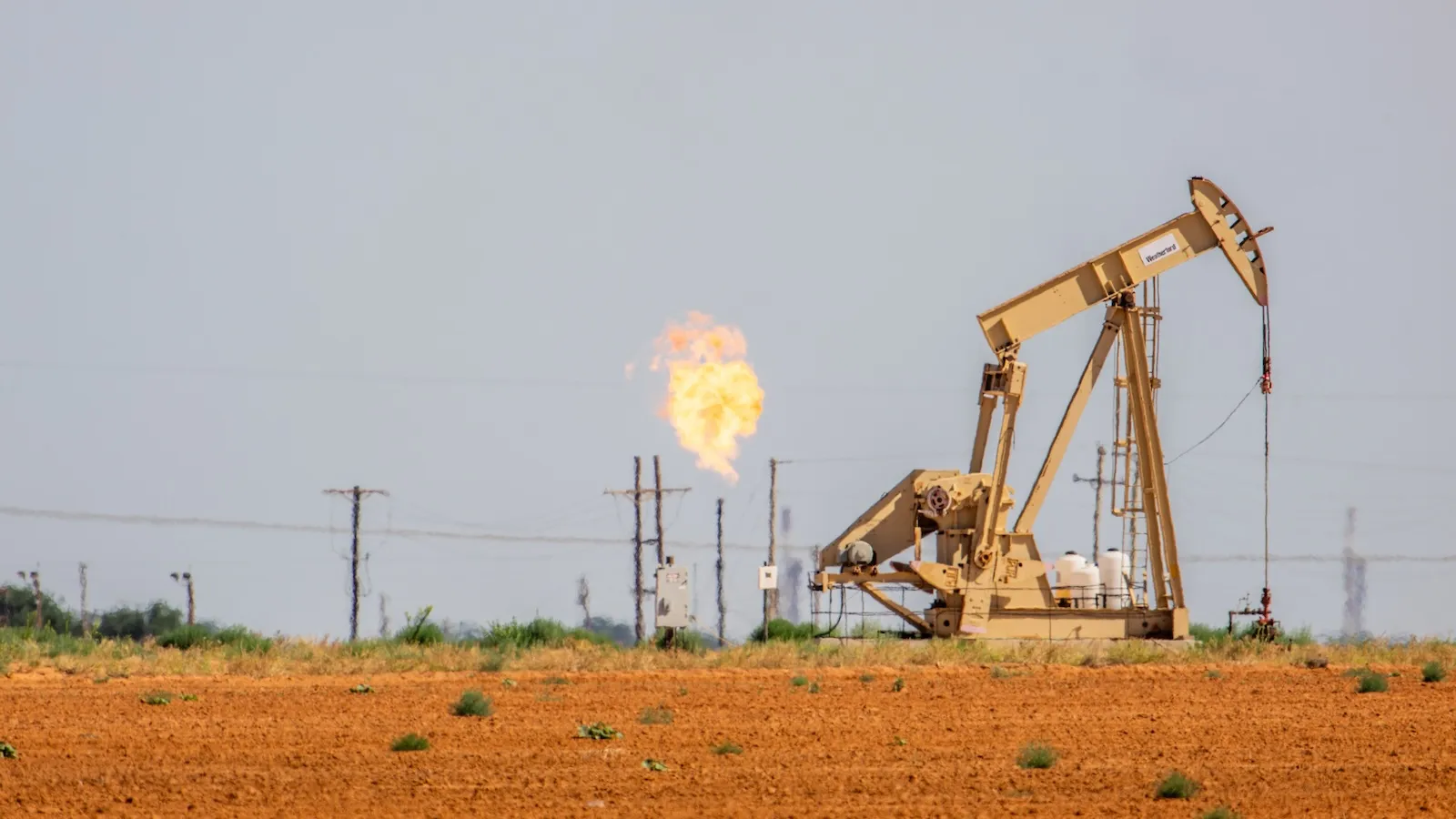
A new energy infrastructure proposal is reshaping economic expectations for landowners in eastern Montana, where agricultural communities are grappling with the dual pressures of climate variability and market instability. Bridger Pipeline LLC has outlined plans to construct a 650-mile pipeline designed to transport tar sands oil from Canada through nine counties in Montana before reaching refining hubs in Guernsey, Wyoming. The project received a significant boost this spring when President Donald Trump issued a presidential permit allowing the line to cross the international border, signaling federal support for the initiative. For many residents in this region, the prospect of construction represents a potential financial lifeline after several difficult years characterized by record-low snowpack and severe drought conditions that have stunted crop growth and strained farm profitability.
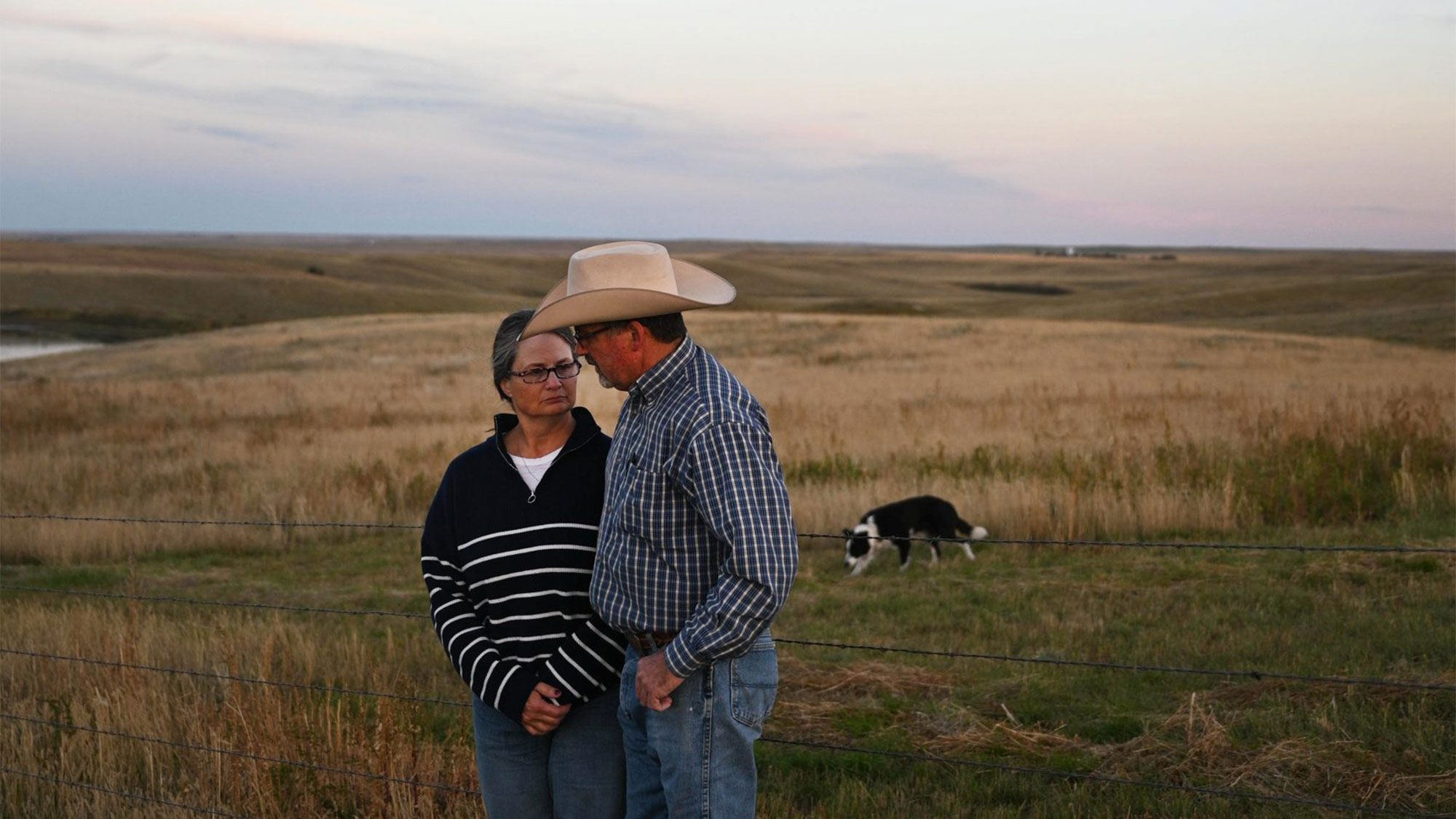
The economic appeal of the pipeline is particularly acute for farmers like Jerry Arnold, who operates an unirrigated grain farm near Opheim, a small community with a population of just 72. Arnold’s operation, like many in the area, has suffered from the cumulative effects of dry winters and volatile commodity prices. He views the potential easement payment from Bridger as a substantial check that could help stabilize his finances during a period of razor-thin margins. This sentiment echoes experiences from previous infrastructure projects in the region; Arnold previously benefited financially when the Northern Border Pipeline was constructed through his land in the 1980s, a payment that helped him survive a devastating combination of drought, heat, and pest infestations at that time.
However, the proposed pipeline carries significant environmental implications that distinguish it from earlier projects. The facility is designed to move tar sands oil, a dense mixture of sand, clay, water, and heavy petroleum that generates approximately 20 percent more greenhouse gas emissions than conventional crude oil. This environmental cost has drawn scrutiny from conservation groups and adds a layer of complexity to the project’s approval process. While the presidential permit addresses the border crossing, the pipeline must still navigate a rigorous series of state and federal compliance requirements. Bridger Pipeline LLC has indicated plans to break ground within a year, but this timeline is contingent on successfully completing multiple regulatory milestones that have not yet been finalized.
The company’s current focus is on route identification and surveying. Bridger has proposed three potential paths, with one designated as the preferred option. To facilitate this phase, the company has compensated approximately 450 landowners along the preferred route for access rights to conduct topographical and environmental surveys. Bill Salvin, a spokesperson for Bridger, confirmed that these preliminary payments have been made but declined to disclose the total amount spent on survey access or the specific terms of individual agreements. This phase is critical for identifying potential engineering challenges and assessing the environmental impact of the construction, which will inform the Bureau of Land Management’s upcoming environmental review.
Financial negotiations with landowners remain private and variable, depending on the length of the pipeline crossing each property and individual bargaining positions. Historical data from similar projects suggests that compensation can be substantial; during the proposal phase for the Keystone XL pipeline in 2012, some landowners reported offers reaching $38,000, while others in Nebraska received signing bonuses exceeding $150,000 after holding out for better terms. In Montana, farmers and ranchers are approaching these negotiations with cautious optimism, aware that the payments could provide meaningful stability in an industry currently challenged by skyrocketing diesel prices and unpredictable cattle markets. The desire to maximize easement length is a common strategy among landowners seeking to enhance their financial returns from the project.
The political landscape has shifted since the cancellation of the Keystone XL pipeline in 2021, which had promised similar economic opportunities but was terminated by then-President Joe Biden. With the current administration’s support for energy infrastructure, many Montana residents are hopeful that this new project will proceed where previous efforts failed. However, the path forward is not guaranteed. Bridger must secure additional permits from both state and federal agencies, negotiate final easement agreements with nearly 300 landowners in Montana alone, and address public comments during the environmental review process. Each of these steps presents potential delays or obstacles that could alter the project’s timeline or scope.
As the Bureau of Land Management prepares to publish its environmental review, the community faces a period of uncertainty. The outcome will depend on how regulators balance economic benefits against environmental concerns, particularly regarding the higher emissions associated with tar sands oil. For landowners like Arnold, the decision to participate is not just about immediate financial gain but also about long-term viability in an increasingly challenging agricultural environment. The pipeline’s success or failure will likely serve as a bellwether for future energy infrastructure projects in the region, highlighting the ongoing tension between economic development and environmental stewardship in rural America.
The coming months will be critical in determining whether Bridger Pipeline LLC can overcome regulatory and logistical hurdles to begin construction. If successful, the project could deliver significant economic relief to eastern Montana landowners while expanding the capacity for tar sands oil transport in North America. If it stalls, farmers may face continued financial strain without the promised infusion of capital. The situation underscores the complex interplay between federal policy, corporate strategy, and local economic needs, with lasting implications for both the environment and the livelihoods of those living along the proposed route.
Sources behind this briefing
Go to the original reporting
- Grist↗In eastern Montana, a new oil pipeline comes with perils and a potential payday