The short version
- The EPA proposal reverses strict monitoring and repair mandates established in late 2023, eliminating satellite-based leak detection programs and extending the timeframe for operators to fix emissions.
- President Trump announced the regulatory changes at a Texas rally, claiming the move would save consumers billions of dollars and unlock significant reserves of oil and natural gas production.
- Environmental advocates argue that weakening these controls will increase air pollution in communities near extraction sites and undermine global efforts to curb potent greenhouse gases.
The Environmental Protection Agency has formally proposed a comprehensive reversal of federal regulations designed to limit methane emissions from the oil and gas sector. This regulatory shift marks a significant departure from the stringent standards finalized under the previous administration, which required operators to monitor overall emissions, inspect infrastructure for leaks, and upgrade equipment to prevent gas escapes. The new proposal aims to relax these monitoring and control requirements, responding to longstanding complaints from industry stakeholders who argued that the existing rules imposed undue burdens on their operations.
President Donald Trump publicly announced the termination of these methane regulations during a campaign event in Lubbock, Texas, on Tuesday night. Speaking alongside efforts to support Senate candidate Ken Paxton, the president framed the policy change as a critical step toward economic relief and energy expansion. He asserted that dismantling the rules would save consumers and producers approximately $45 billion while unlocking vast quantities of natural gas and producing hundreds of millions of barrels of oil. This announcement aligns with the administration’s broader “energy dominance” agenda, which has sought to remove barriers to fossil fuel extraction since the beginning of the current term.
The regulatory changes specifically target provisions established in late 2023 under the Clean Air Act. Among the most notable reversals is the cancellation of the Super Emitter Program, a initiative that utilized satellite imagery and remote-sensing technologies to identify large-scale methane leaks. Under the previous framework, operators were required to investigate and address these significant emissions promptly. The new proposal eliminates this requirement, effectively removing a key tool for detecting and mitigating major releases of the potent greenhouse gas.
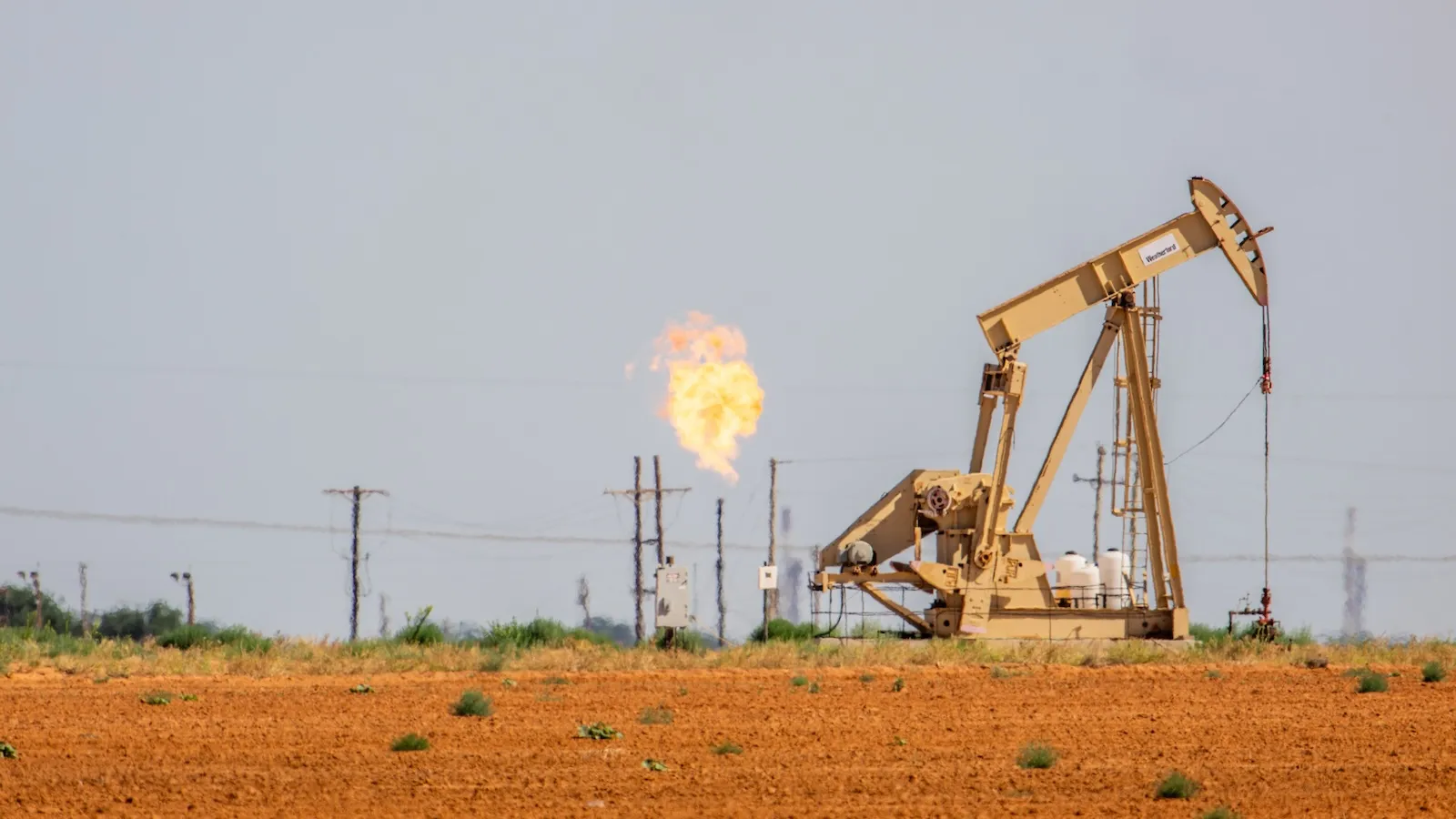
Additionally, the proposed rule loosens restrictions on routine flaring, a practice in which excess methane is burned off rather than captured for use as natural gas. The previous administration had mandated that operators phase out or sharply reduce this activity to minimize waste and emissions. The new guidelines also extend the window for repairing leaks from a shorter timeframe to thirty days, providing operators with more time to address issues before they escalate. These adjustments reflect a broader strategy to reduce compliance costs for the industry, though they raise concerns about increased environmental impact.
Methane is a powerful climate pollutant, responsible for approximately 12 percent of greenhouse gas emissions in the United States annually. It is roughly eighty times more potent than carbon dioxide at warming the planet over a twenty-year period. Sources include oil and gas operations, landfills, and agricultural activities such as cattle farming. Because of its high global warming potential, reducing methane emissions is often cited by climate experts as one of the most effective short-term strategies for mitigating rapid temperature increases.
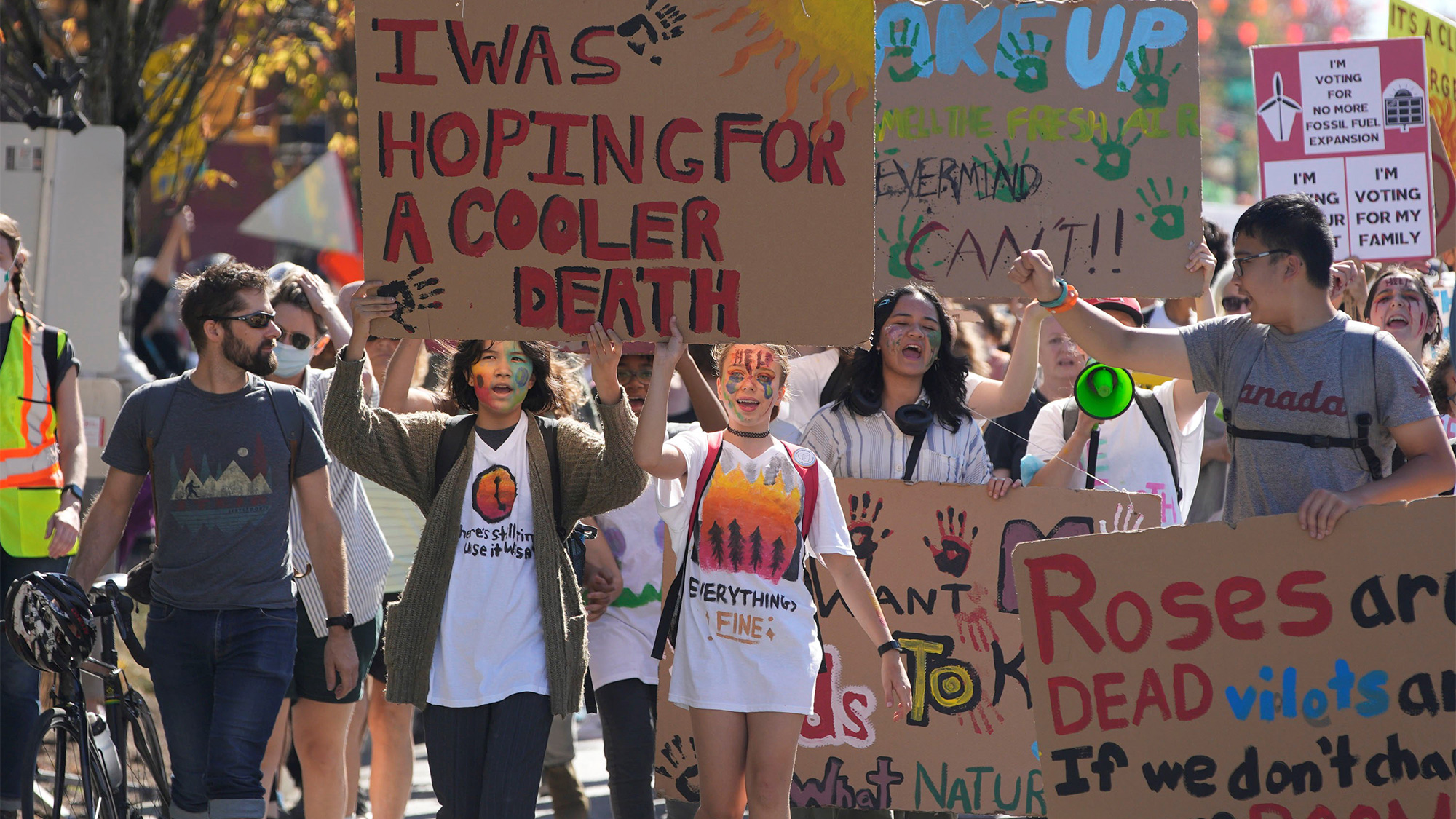
Environmental organizations have strongly criticized the proposed rollback, arguing that it undermines years of progress in curbing industrial pollution. Advocates point out that weaker restrictions will likely worsen air quality in communities located near oil and gas facilities, exposing residents to higher levels of harmful pollutants. Critics describe the move as a disregard for public health and environmental safety, emphasizing that families living in these areas bear the brunt of industrial emissions while receiving little benefit from increased production.
The EPA had previously signaled its intent to repeal these rules, stating that they posed a monumental threat to the economy. However, the formal proposal represents a concrete step toward implementation, following months of internal planning and industry lobbying. The agency’s actions are part of a larger pattern of reversing Biden-era environmental policies, including recent moves to limit carbon emissions from power plants. These cumulative changes suggest a sustained effort to prioritize fossil fuel production over climate mitigation goals.
Experts note that the previous methane rule was among the strongest in the world, positioning the United States as a leader in international climate efforts. The EPA had estimated that the regulations would prevent 58 million tons of methane from entering the atmosphere over fifteen years, along with conserving enough natural gas to heat millions of homes during winter. By dismantling these measures, the administration risks reversing these gains and potentially accelerating global warming trends.
The proposal is now subject to public comment and further regulatory review before it can be finalized. Industry groups are likely to welcome the changes, viewing them as a reduction in operational constraints and a boost to profitability. Conversely, environmental advocates plan to challenge the rollback through legal and political channels, arguing that the long-term costs of climate change far outweigh the short-term economic benefits cited by the administration.
As the debate over these regulations continues, the implications for both domestic energy policy and global climate commitments remain significant. The shift in federal stance reflects a broader ideological divide on how to balance economic growth with environmental protection. With methane emissions playing a critical role in near-term climate impacts, the outcome of this regulatory process could have lasting effects on the United States’ ability to meet its climate goals and protect public health.
Sources behind this briefing
Go to the original reporting
- Grist↗Trump’s EPA is letting America’s leakiest oil and gas companies off the hook