The short version
- Only nine percent of Black registered voters rank climate change as a top three voting issue, while seventy-four percent prioritize the cost of living.
- Despite low ranking on general lists, eighty-two percent believe candidates should prioritize addressing climate change, and eighty-nine percent want lower energy costs.
- Advocates argue that environmental concerns are deeply felt but framed through immediate issues like data center expansion, pollution, and utility bills rather than abstract global trends.
A significant gap exists between how Black voters categorize climate change as an election priority and their desire for elected officials to address environmental challenges. Recent polling conducted in seven key swing states indicates that while the cost of living dominates voter concerns, there is still strong support for policies that lower energy bills and reduce local pollution. This dynamic suggests that the issue is not a lack of interest in environmental protection, but rather a demand for tangible economic relief alongside ecological stewardship.
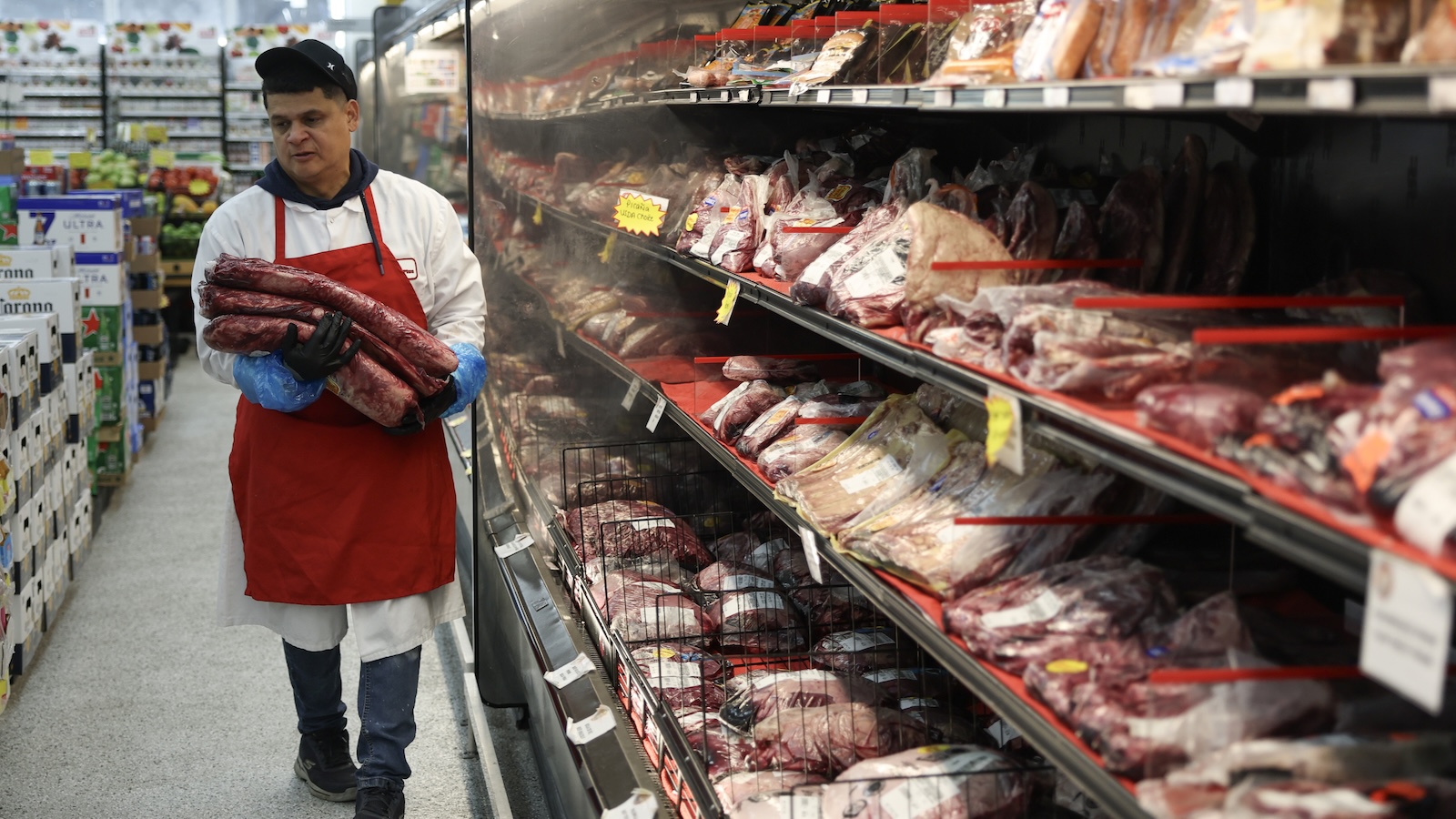
The survey, carried out by HIT Strategies for the Climate Equity Action Fund and the League of Conservation Voters, included two thousand Black and Latino registered voters across Arizona, Georgia, Michigan, Nevada, North Carolina, Ohio, and Pennsylvania. The data collection occurred between late September and mid-October 2026. When asked to identify their top three motivating issues for voting, only nine percent of Black respondents selected climate change. In stark contrast, seventy-four percent cited the cost of living as a primary driver.
However, when the questions shifted from personal voting motivations to expectations of candidate performance, the numbers changed dramatically. Eighty-two percent of respondents stated it was important for candidates to prioritize addressing climate change. Even among Black Republicans, seventy-nine percent believed candidates should make this a priority. Additionally, eighty-nine percent emphasized the importance of lowering energy costs, and eighty-six percent wanted action on reducing air and water pollution.
Erica Tebbs, a senior analyst at HIT Strategies, noted that the low ranking of climate change on general lists should not be interpreted as indifference. She explained that voters are looking for proof that their specific concerns will be addressed by elected officials. The doubt lies in whether a vote will result in real impact within their communities. For many, the phrase 'climate change' feels abstract compared to the immediate realities of electricity bills and safe drinking water.
Elijah Lee, an eighteen-year-old first-time voter from Roanoke Rapids, North Carolina, illustrates this perspective. Growing up in a low-income community near a polluting paper mill, he has long been aware of environmental injustices. Now living in Virginia, he watches data centers expand and worries that promises of economic growth will not benefit his generation. He noted that it is difficult to prioritize air quality or food safety when basic affordability remains out of reach.
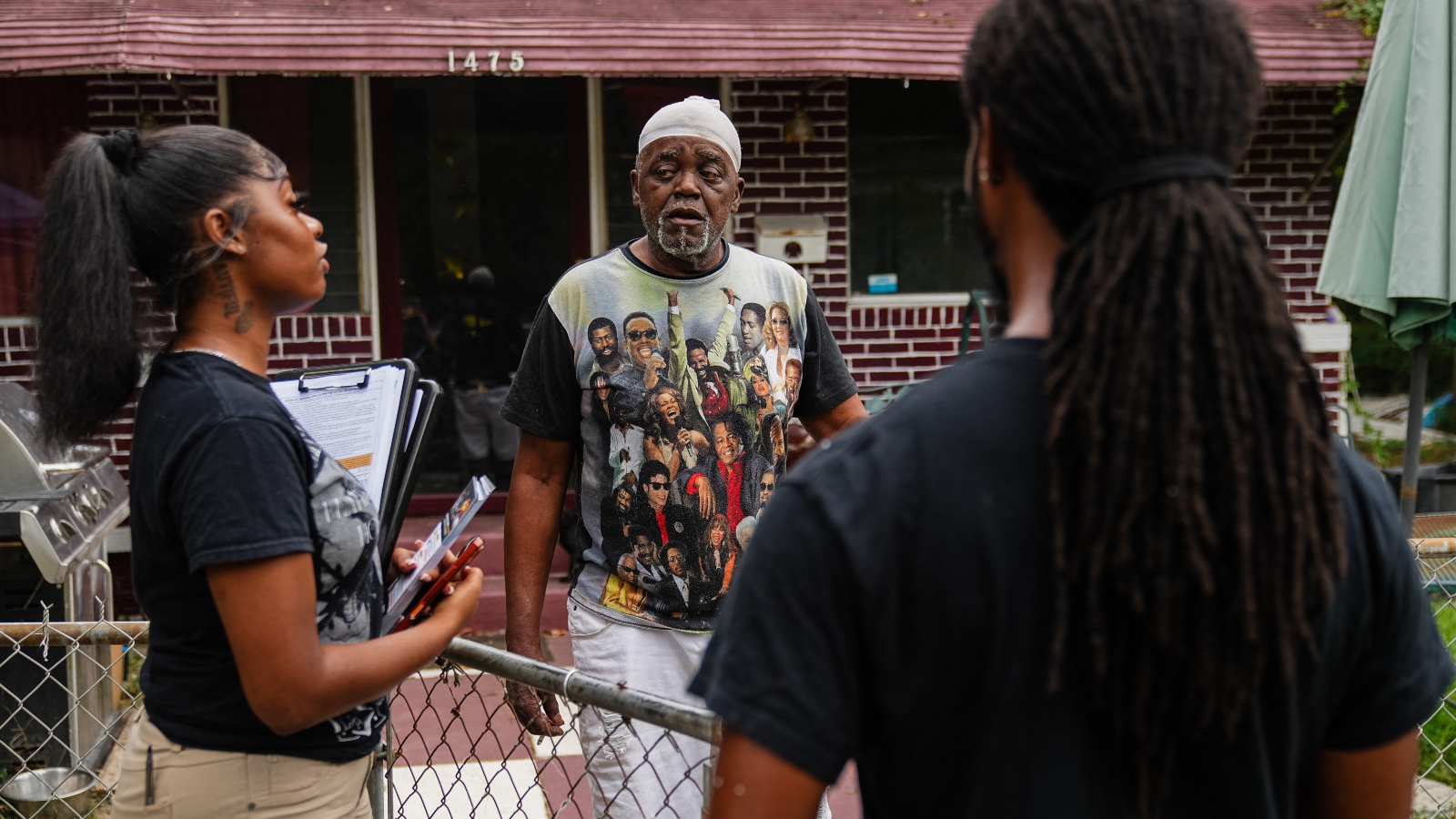
Bill Hairston, national field director for the League of Conservation Voters, sees similar patterns in conversations with residents. He points to data center development as a catalyst for discussions about energy and environmental policy. Residents are concerned about how these facilities affect their utility bills, local air quality, housing costs, and potential gentrification. Hairston argues that these issues are interconnected and should be viewed through the lens of who makes decisions and whose interests those decisions serve.
Hairston’s own background in Charleston, West Virginia, informs his view. He grew up in a poor Black neighborhood where coal trucks passed daily, leaving soot on the grass. While he did not fully connect these conditions to broader policy decisions as a child, he believes voters today are making those connections more frequently. The focus is shifting from abstract climate goals to concrete questions about health, affordability, and government oversight.
The survey found that seven in ten respondents are likely to vote in the November midterm elections. This high engagement rate underscores the importance of addressing the disconnect between policy labels and voter priorities. Advocates suggest that the challenge is not convincing voters that environmental threats exist, but demonstrating that political action can deliver measurable improvements in their daily lives.
As the election approaches, candidates face the task of bridging this gap. Voters want leaders who understand that environmental policy must include relief from rising costs and protection from corporate pollution. The data indicates that Black voters are not indifferent to climate issues; they simply view them through the prism of immediate economic survival and community well-being.
Future reporting will need to track whether political campaigns adjust their messaging to reflect these nuanced priorities. The success of environmental initiatives may depend less on promoting the concept of climate action and more on delivering visible results in energy affordability and local pollution control. This shift in focus could redefine how environmental issues are framed in future elections.
Sources behind this briefing
Go to the original reporting
- Grist↗For Black voters, climate action means little without relief from rising costs