The short version
- Seven of sixteen key climate indicators have reached record extremes, signaling immediate destabilization rather than distant risk.
- Global ruminant livestock populations and per capita meat production hit historic highs in 2024, driving significant methane emissions.
- Experts argue that reducing meat consumption, particularly beef, offers a viable short-term strategy to curb warming and preserve land resources.
A comprehensive assessment of the Earth’s life-sustaining systems reveals a deteriorating planetary health profile, with multiple critical indicators moving in directions that threaten long-term stability. Published recently in BioScience, the seventh annual State of the Climate report characterizes current conditions not merely as warnings of future peril but as an active diagnosis of ongoing environmental damage. The authors emphasize that without swift and substantial changes in human behavior, these trends will continue to accelerate, deepening the crisis across multiple ecological domains.
The data presents a stark picture of atmospheric and cryospheric change. Concentrations of carbon dioxide, methane, and nitrous oxide, primarily driven by fossil fuel combustion, reached new peaks this year. Simultaneously, measures of glacier thickness and ice mass in Greenland fell to record lows. The planet’s energy imbalance, which tracks the difference between solar energy absorbed and heat radiated back into space, continues to rise, confirming that the Earth is retaining more heat than before. Of the sixteen specific climate indicators analyzed, forty-four percent are at record extremes, underscoring the severity of the current trajectory.
Beyond these physical metrics, the report highlights dangerous feedback loops that could exacerbate warming. Phenomena such as wildfires and the thawing of permafrost release additional greenhouse gases into the atmosphere while being made more frequent and intense by rising temperatures themselves. These self-reinforcing cycles suggest that existing warming may accelerate independently of direct human emissions if left unchecked, creating a complex challenge for mitigation efforts aimed at stabilizing the climate system.
While fossil fuels remain a primary driver, the study places significant emphasis on human activities within agriculture, transportation, and energy use as areas where individual and systemic changes can yield immediate benefits. The food system, in particular, is identified as a sector with substantial potential for reducing greenhouse gas emissions, especially methane. Ruminant animals, including cattle, sheep, and goats, produce methane during digestion, a potent greenhouse gas that traps heat twenty-eight times more effectively than carbon dioxide over a ten-year period.
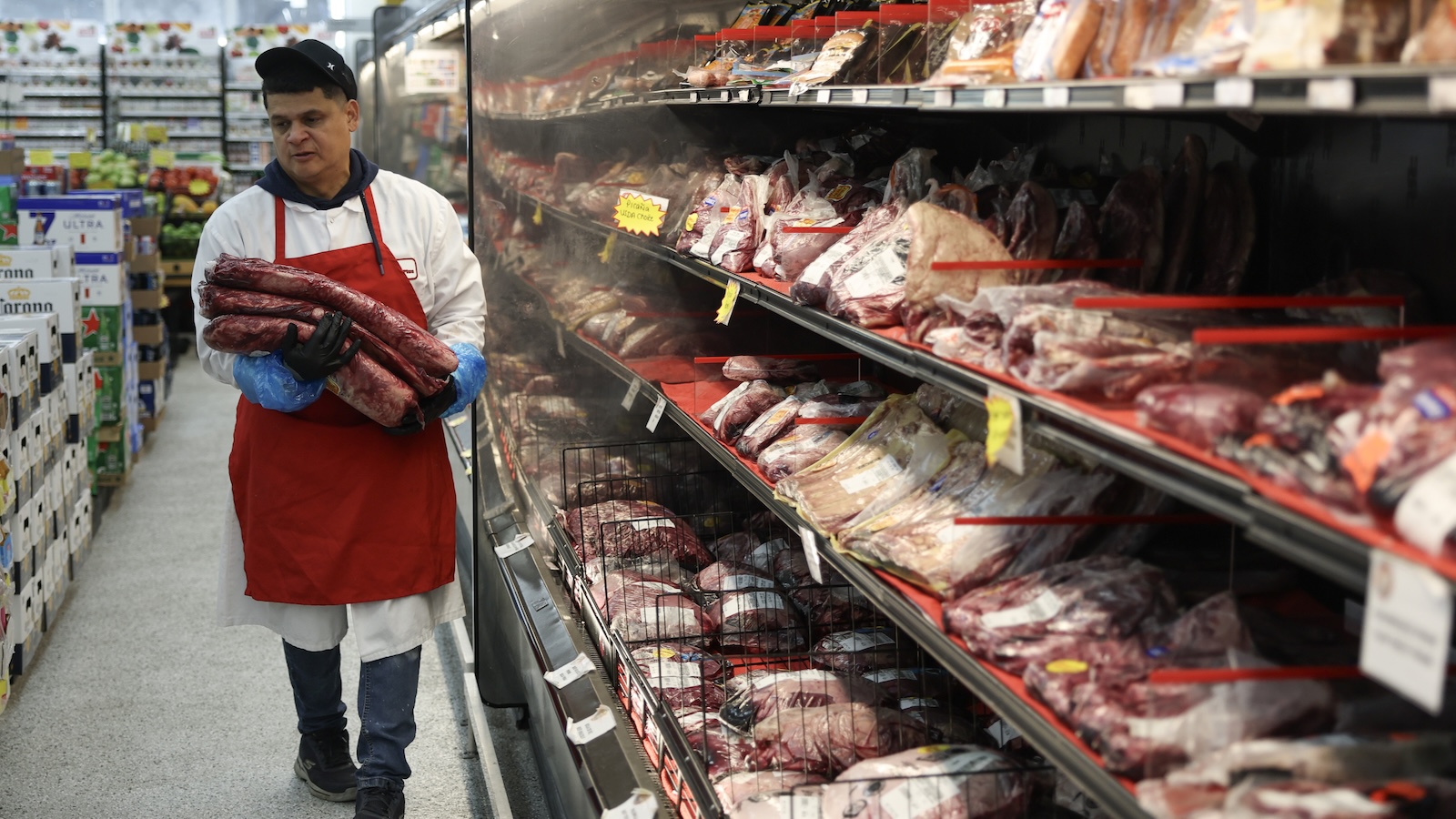
Data from 2024 indicates that the global population of ruminant livestock has surpassed levels seen at any point since the 1960s. Concurrently, per capita meat production reached a record high. William Ripple, an ecology professor at Oregon State University and a lead author of the report, described these figures as evidence of intense pressure from the global food system. The growing role of meat in diets worldwide carries a heavy environmental cost, particularly given the short atmospheric lifespan of methane, which makes reductions in its emissions a powerful tool for slowing warming in the near term.
Ripple and his colleagues argue that shifting toward plant-based diets, especially in nations with high meat consumption, represents an often-overlooked opportunity for climate action. Timothy Searchinger, a senior research scholar at Princeton University who studies agriculture and climate dynamics, supports this view, noting that halting the clearing of carbon-rich habitats is essential to solving the climate crisis. He suggests that wealthy nations must reduce their meat intake, particularly beef, to help stop deforestation driven by cattle ranching.
The inefficiency of current agricultural practices further complicates the picture. Raising cattle requires vast amounts of land for grazing and additional acreage to grow feed crops like corn and soy. This dual demand for land resources means that productive capacity is used inefficiently, diverting space away from carbon-sinking ecosystems or direct human food production. At a time when climate change threatens global food security, maintaining such an inefficient system places enormous strain on land, water, and the atmosphere.
The consensus among these experts is that addressing global warming requires fundamental changes to what people eat and how food is produced. Reducing meat consumption is not just a dietary preference but a practical strategy for mitigating climate impact. By lowering demand for ruminant products, societies can reduce methane emissions, decrease pressure on forests, and free up land for more sustainable uses. The report concludes that ignoring the role of diet in climate change undermines broader efforts to stabilize the planet’s vital signs.
Looking ahead, the implications of these findings extend beyond environmental metrics to policy and individual behavior. If the trends identified in the report continue, the destabilization of the climate will likely intensify, making adaptation more difficult and costly. Conversely, targeted reductions in meat production and consumption could provide a rapid buffer against warming while longer-term solutions for energy and industry are implemented. The window for effective action remains open, but it requires acknowledging the significant role that food systems play in the broader climate equation.
Sources behind this briefing
Go to the original reporting
- Grist↗The planet’s vital signs are getting worse. One of the easiest fixes is your diet.