The short version
- The trial marks the first time Canadian youth have successfully challenged federal climate policy on constitutional grounds after earlier dismissals.
- Plaintiffs argue that current emissions targets and fossil fuel support violate their rights to life, liberty, and security under Section 7 of the Charter.
- While not binding outside Canada, legal experts view the outcome as potentially influential for global climate litigation efforts.
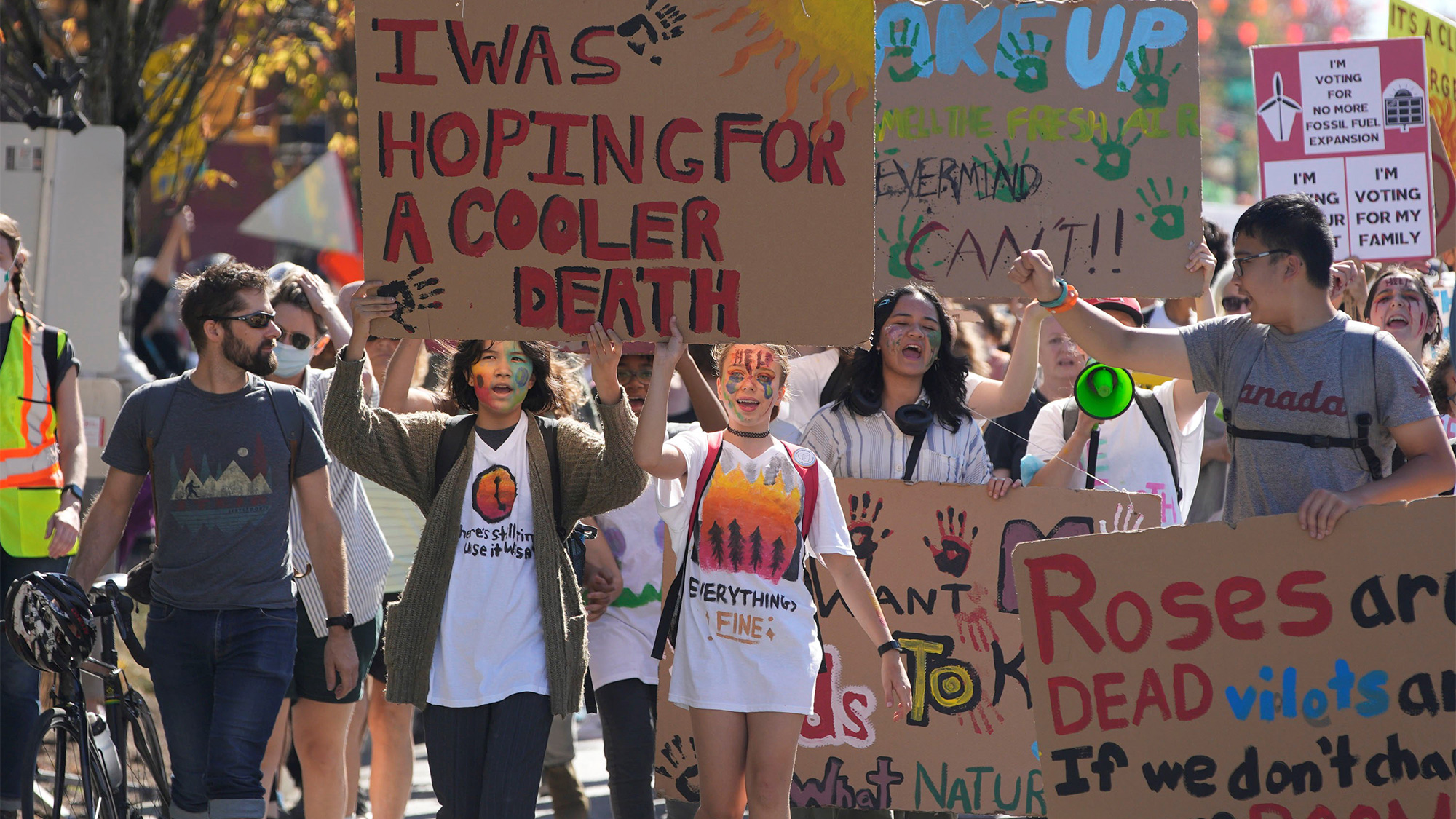
A significant legal challenge to federal climate policy begins this week in Vancouver, where fifteen young Canadians will present their case against the government. The trial represents a rare judicial scrutiny of national environmental strategy, with plaintiffs alleging that state inaction on global warming violates their constitutional protections. Legal observers describe the proceedings as potentially consequential, noting that while thousands of similar suits exist globally, few have reached this stage of detailed evidentiary examination.
The lawsuit, filed in 2019, centers on Section 7 of the Canadian Charter of Rights and Freedoms, which guarantees rights to life, liberty, and personal security. The plaintiffs, six of whom identify as Indigenous, contend that the government’s failure to adequately address climate change disproportionately harms their generation. They argue that by allowing emissions to remain high and continuing to support fossil fuel expansion, the state has breached its duty to protect their fundamental rights.
This case is the result of a prolonged legal battle. Initially, the plaintiffs challenged a broad range of government actions, including missed emissions targets and insufficient regulatory measures. However, a federal judge dismissed the case in 2020, ruling that the claims were overly broad and encroached on political matters rather than legal ones. The Federal Court of Appeal later upheld the dismissal of equality-based claims under Section 15 but allowed the Section 7 arguments to proceed, provided the plaintiffs specified the government conduct at issue.
In response to the appellate ruling, the plaintiffs amended their complaint to focus specifically on the Canadian Net-Zero Emissions Accountability Act of 2021 and the associated 2030 emissions reduction plan. They argue that these legislative commitments are insufficient to prevent severe climate impacts and thus violate their Charter rights. The case is now set to examine whether the government’s current trajectory meets constitutional standards for protecting young citizens from environmental harm.
The trial is scheduled to last five weeks, during which all fifteen plaintiffs will testify. Their ages ranged from ten to nineteen when the suit was originally filed, highlighting the generational aspect of their claims. They will be joined by expert witnesses specializing in climate science, renewable energy, children’s health, and economics. These experts are expected to provide evidence linking current policy decisions to future risks faced by the plaintiffs.
The government has not disputed the reality of climate change but maintains that the lawsuit improperly asks the court to resolve political questions. A spokesperson for Environment and Climate Change Canada stated that the federal commitment to net-zero emissions by 2050 remains firm and that an ambitious climate agenda is being implemented. The department emphasized respect for the judiciary’s role in democracy while declining to comment further on the specific allegations.
Legal experts suggest that while the ruling will not set binding precedent outside Canada, it could influence similar cases worldwide. Decisions from other jurisdictions have already inspired litigation strategies elsewhere, and this trial is expected to be closely monitored by advocates and scholars. The outcome may clarify how courts balance executive discretion in climate policy with constitutional obligations to protect individual rights.
Closing arguments are planned for February, with a final decision anticipated sometime in 2027. An appeal could extend the timeline further, but the mere fact of a trial is notable given the historical reluctance of courts to intervene in complex environmental governance. This case underscores the growing trend of using legal mechanisms to address climate change, reflecting increasing public concern over governmental accountability.
The broader implications extend beyond the immediate parties involved. As climate impacts become more visible, citizens are increasingly turning to courts to seek remedies when political processes seem inadequate. This trial offers a platform for young people to articulate their experiences and concerns directly, potentially shaping public discourse on intergenerational justice and environmental responsibility.
Ultimately, the case highlights the tension between legislative action and constitutional protection in the face of global challenges. Whether the court finds that current policies suffice or require enhancement will have significant ramifications for future climate governance. The proceedings serve as a test of how legal systems can address urgent, large-scale issues that transcend traditional political boundaries.
Sources behind this briefing
Go to the original reporting
- Grist↗Climate change rarely goes on trial. This one could be a landmark.