The short version
- Pensioners and low-band homeowners receive direct financial support through increased state pensions and energy cost rebates.
- Taxes on bank profits, gambling machines, and non-ISA savings rise, while student loan repayment thresholds remain frozen.
- Housing market interventions include a new first-time buyer scheme but also higher taxes for landlords that may reduce rental supply.
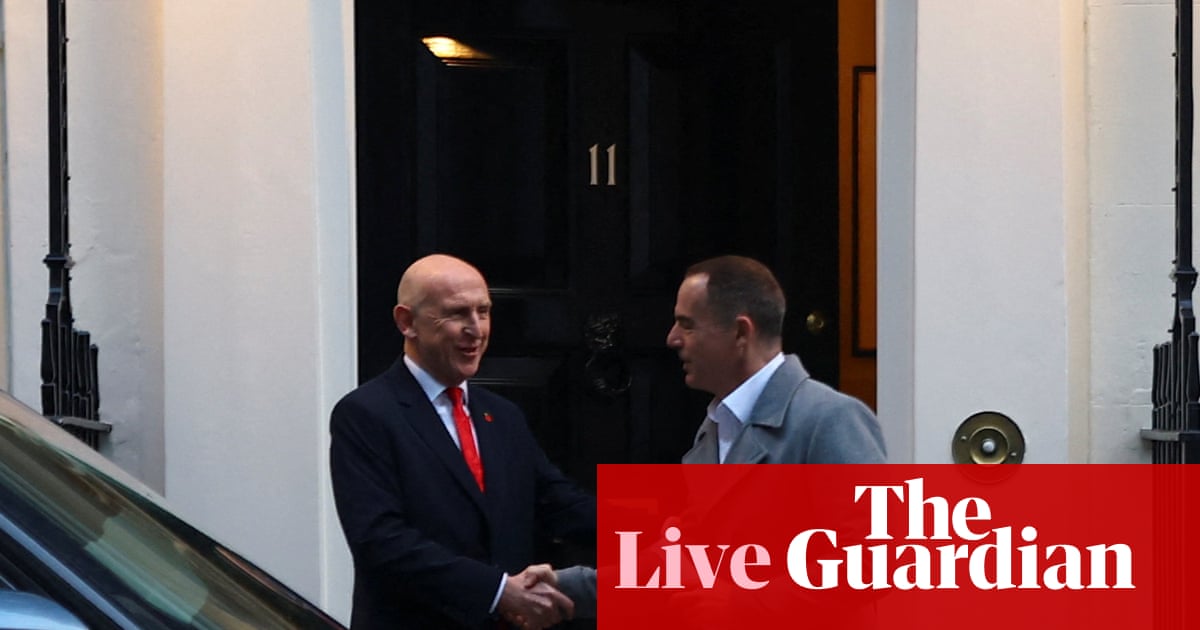
Chancellor John Healey has unveiled his first budget, marking the Burnham government’s initial attempt to alleviate cost-of-living pressures through a mix of tax adjustments and targeted subsidies. The fiscal strategy aims to provide immediate relief to vulnerable groups while generating revenue from specific sectors, creating a distinct divide between those who benefit from new allowances and those facing higher financial obligations.
Pensioners emerge as primary beneficiaries of the plan. Starting next April, the state pension will increase to £13,036 annually. Concurrently, a new matching personal allowance will be introduced, ensuring that all income received by pensioners up to this threshold remains free from taxation. This measure is designed to protect retirees from inflationary pressures and ensure their fixed incomes retain purchasing power.
Households in council tax bands A through D will also receive direct assistance. Each eligible household is guaranteed a £100 payment in January to help cover winter energy costs. While this funding is secured for England, other regions of the UK have been allocated resources to implement similar support measures. However, the reliance on council tax bands for distribution means that approximately 1.4 million of the poorest families, who reside in higher bands or do not own property, will miss out on this rebate, according to analysis by the Resolution Foundation.
On the revenue side, the banking sector faces a temporary increase in its corporation tax surcharge. The levy will rise from 3% to 6% for a period of fifteen months, resulting in an additional £1.5 billion for the Treasury. Despite this hike, market reaction was positive, with bank shares rising after the announcement. Investors had previously feared a more severe increase to 8%, suggesting that the final figure was viewed as less punitive than anticipated.
The gambling industry is also subject to higher taxation. From April 2027, the tax on slot machines with stakes of £1 or more will increase from 20% to 25%. Similar to the banking sector, shares in gambling companies rose following the budget. This market movement indicates that investors had braced for a steeper hike, viewing the confirmed rate as a manageable adjustment rather than a crippling blow to profitability.
Savers and property investors face less favorable conditions. The tax on interest earned outside of Individual Savings Accounts (ISAs) will rise by two percentage points beyond previously announced rates. Basic-rate taxpayers will pay 24% on returns after using their tax-free allowance, while higher-rate and additional-rate taxpayers will face rates of 44% and 49%, respectively. Healey reversed a planned cut to the cash ISA allowance for those under 65, but encouraged investment in stocks and shares through yet-to-be-announced incentives.
The housing market sees mixed signals. A new 'Your First Home' scheme will assist first-time buyers with deposits as low as 2.5% for newbuild properties, targeting households earning up to £140,000 in London and £110,000 elsewhere in England. Conversely, buy-to-let landlords will face higher taxes on property income, aligned with the increased rates for savers. The Office for Budget Responsibility warns that these tax increases could drive some landlords out of the market and deter new investment, potentially leading to a steady rise in rents for private tenants.
Other notable measures include support for young entrepreneurs in England through a new living cost allowance for their first year in business, and enhanced tax reliefs for small alcohol producers. Environmental regulations have been relaxed for developers, with exemptions from biodiversity net gain requirements for brownfield sites up to 1.5 hectares. Meanwhile, students hoping for relief on Plan 2 loan repayments were disappointed, as repayment thresholds will remain frozen from next April.
The budget reflects a calculated effort to balance immediate social support with fiscal consolidation. By targeting relief at pensioners and low-band homeowners while raising taxes on financial sectors and high-income savers, the government aims to address inequality without broadly increasing the tax burden. However, the potential impact on rental housing supply and the exclusion of some poor families from energy rebates highlight the complexities and trade-offs inherent in this fiscal approach.
Sources behind this briefing
Go to the original reporting
- The Guardian World↗Budget winners and losers: pensioners and households gain as banks and betting shops hit