The short version
- Recent extreme heat events in Western Europe resulted in tens of thousands of excess deaths, highlighting gaps in emergency response capabilities.
- A United Nations report indicates that global warming will likely exceed the 1.5-degree Celsius target within years, rendering current adaptation measures insufficient.
- Experts warn that physiological limits for human safety are being reached at lower temperatures than previously assumed, particularly when humidity is high.
The recent summer season delivered record-breaking temperatures across multiple regions, serving as a stark indicator of the growing disconnect between climate reality and societal preparedness. In Western Europe alone, five severe heat waves drained soil moisture, accelerated wildfire risks by drying vegetation, and reduced river levels to critical lows that threatened aquatic life. Emergency medical services in these areas faced overwhelming demand, with early data suggesting at least 35,000 excess deaths linked to the soaring temperatures. This figure accounts for only the first four heat events and covers roughly half of the continent, implying the total toll may be significantly higher.
Health officials and climate scientists describe these recent events not as anomalies but as a preview of conditions that will become routine. The World Health Organization characterized the current crisis as a dress rehearsal for summers that are projected to be even more intense. Two primary drivers are converging to push global temperatures upward: human-caused greenhouse gas emissions and the El Niño climate pattern. The current El Niño cycle is in its early stages but is on track to be the strongest observed in a thousand years, adding substantial warmth to an atmosphere already saturated with heat-trapping gases.
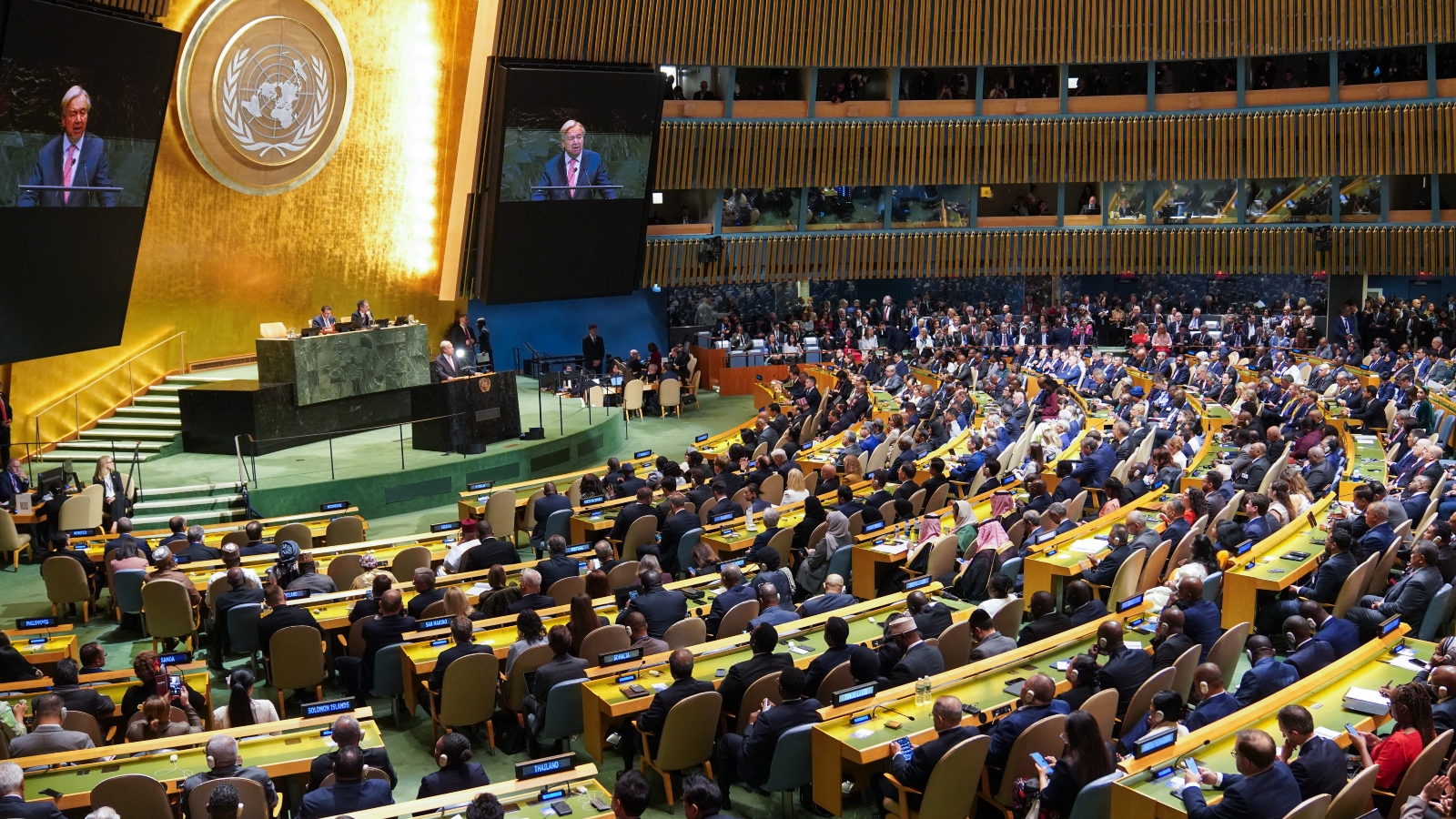
International efforts to limit warming have fallen short of their most ambitious targets. Nearly every nation agreed in 2015 to voluntary commitments aimed at keeping global temperature rise below two degrees Celsius, with a more stringent goal of limiting it to 1.5 degrees Celsius above preindustrial levels. A recent United Nations report released last week concluded that exceeding the 1.5-degree threshold is now certain within the next few years. This overshoot implies that the world must prepare for more severe droughts, fires, sea-level rise, and glacier loss than previously modeled under the lower warming scenario.
Scientists predict that 2027 will likely be the hottest year on record as these climatic forces compound. Kristie Ebi, a lead author of the U.N. report and a global health professor at the University of Washington, noted that no region is currently well-adapted to such extreme events. While low-income nations remain the most vulnerable to climate impacts, the report found that wealthy countries are also failing to adapt at a pace sufficient to mitigate harm. The assumption that 1.5 degrees of warming would be relatively safe is being challenged by real-world data from Europe and the United States, where current levels of warming already feel unsafe.
Historical precedents show that adaptation can reduce mortality, but its effectiveness has limits. Following a deadly 2003 heat wave that claimed approximately 70,000 lives across Europe, many countries implemented protective measures such as early warning systems, cooling centers, and hospital preparedness protocols. France introduced an aggressive national plan that mandated air conditioning in nursing homes, required health workers to check on vulnerable populations during heat spikes, and expanded urban green spaces to lower ambient temperatures.
These interventions have made individual heat waves less lethal in places like France compared to previous decades. However, climate scientist Christopher Callahan of Indiana University warns that adaptation progress is being outpaced by the intensity of future heat events. His research suggests that if current adaptation rates continue, they would prevent only about one in ten expected deaths. The gap between what societies can build and what the atmosphere will deliver is widening, creating a dangerous lag in public health protection.
Health officials have struggled to keep pace with changing seasonal patterns and extreme scenarios. Traditional heat wave seasons typically run from mid-May to mid-September, but recent events have occurred outside these windows or reached temperatures far beyond what existing warning systems were designed to manage. Ebi pointed out that the sheer magnitude of recent Western European heat waves exceeded the parameters of standard emergency protocols, leaving responders unprepared for the scale of the crisis.
Emerging research indicates that the threshold for hazardous heat is lower than previously believed. Studies suggest that temperatures as low as 26 degrees Celsius (79 degrees Fahrenheit) can become dangerous when combined with high humidity. Beyond the risk of heat stroke, elevated temperatures place lethal stress on vital organs including the heart, lungs, and kidneys. As the world moves toward overshooting its climate goals, the lack of good outcomes above 1.5 degrees of warming underscores the urgency of both mitigation and enhanced adaptation strategies.
The convergence of El Niño and long-term climate change presents a complex challenge for global health infrastructure. While some nations have made strides in reducing heat-related suffering, the overall trajectory suggests that current measures are inadequate for the scale of future warming. The U.N. report serves as a warning that without drastic shifts away from fossil fuels and significant investment in alternative technologies, the frequency and severity of extreme heat will continue to outstrip societal capacity to respond.
Looking ahead, the focus must shift from merely managing individual heat waves to building resilient systems capable of handling unprecedented thermal stress. The data from this summer illustrates that even wealthy nations with robust healthcare systems are vulnerable when temperatures exceed historical norms. As 2027 approaches as a potential record-breaking year, policymakers face the difficult task of aligning adaptation efforts with the reality of a warming world that is already exceeding safe limits.
Sources behind this briefing
Go to the original reporting
- Grist↗The world is adapting to extreme heat — but not nearly fast enough