The short version
- French authorities are investigating why vehicles purchased with UK funds were deployed against student protesters in Dunkirk.
- The specialized all-terrain cars were originally designated for preventing irregular Channel crossings under the Sandhurst treaty.
- Critics warn that tactics developed for border control may be expanding into domestic policing and civil unrest management.
French officials have initiated an investigation into the deployment of specialized police vehicles during recent student demonstrations, following revelations that some of these units were purchased using British taxpayer money. The inquiry focuses on whether equipment specifically earmarked for border security operations was improperly utilized to confront civilian protesters in Dunkirk. This development has raised questions about the oversight of international funding agreements and the scope of their application within French law enforcement.
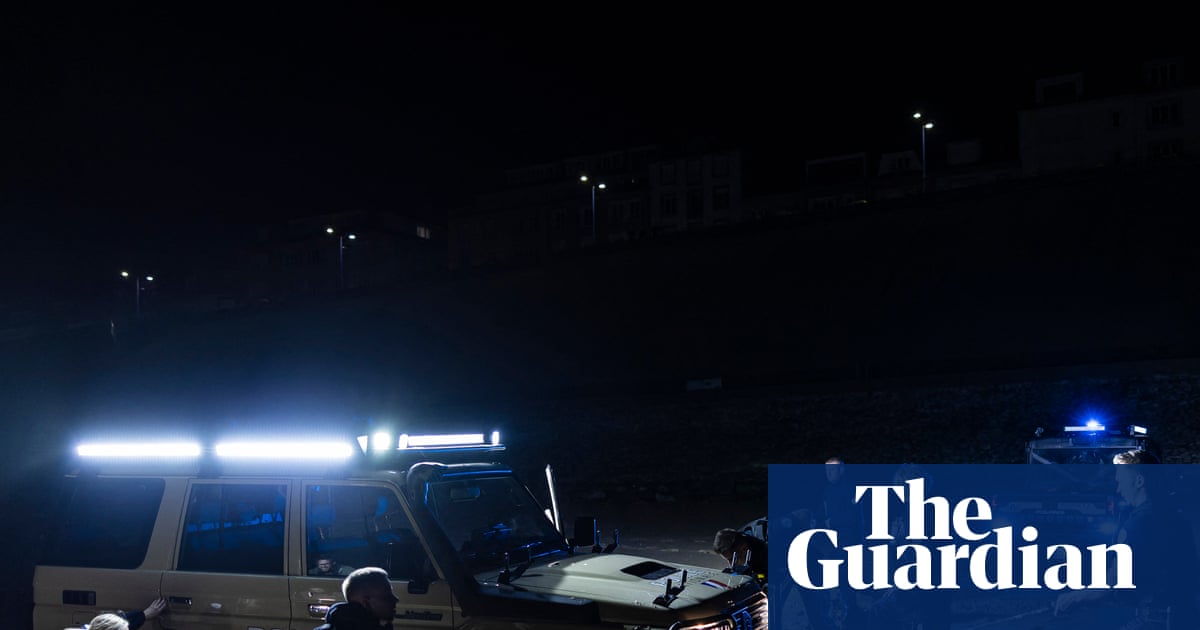
The controversy centers on a specific type of reinforced all-terrain vehicle known as the Masstech VEZI. These vehicles were acquired under the terms of the Sandhurst treaty, an Anglo-French border agreement signed in January 2018. The treaty establishes cooperation between the two nations to combat irregular immigration across the English Channel and provides financial support from the United Kingdom to France’s National Gendarmerie. According to a recent cross-party parliamentary inquiry into these arrangements, nine such vehicles have been purchased using these designated funds.
The primary purpose of the Sandhurst funds is to equip French authorities with resources suited for dune and beach environments where asylum seekers attempt to board dinghies. The agreement specifies that eligible equipment must contribute directly to efforts against illegal migration targeting the UK. Consequently, the use of these vehicles in an urban protest setting appears to contradict their original intended function. A spokesperson for the office of Laurent Nuñez, France’s interior minister, confirmed that an investigation has been opened to determine why a vehicle funded for border control was used to counter a school-related demonstration.
The incident in question occurred during a wave of protests sweeping across France, which have now entered their third week. An estimated 160,000 people have participated in these demonstrations, driven by concerns over deteriorating school infrastructure and significant teacher shortages. In Dunkirk, footage captured by media outlets showed a VEZI vehicle driving at speed, reversing, and then accelerating forward again with a bin caught under its front wheel. Students were heard screaming and scattering as the vehicle moved through the crowd.
Reports indicate that a fourteen-year-old girl was injured during this encounter. She sustained a hematoma and was transported to a hospital before being discharged. While she is now recovering, she described the incident as unacceptable to reporters. The use of teargas in two other areas has also drawn criticism from demonstrators who argue that policing tactics have been disproportionate. These complaints highlight growing tensions between authorities and students regarding the methods used to manage public order.
Sources close to the investigation expressed surprise at the diversion of resources, suggesting that British officials may not be aware that their contributions are being used in this manner. One source noted the irony of funds intended for border security being applied to domestic civil unrest. This disconnect underscores potential gaps in communication and accountability between the two governments regarding how shared financial resources are deployed on the ground.
Advocacy groups have raised broader concerns about the militarization of French policing. A representative from Utopia 56, an association supporting asylum seekers in northern France, pointed out that the same aggressive tactics used to chase individuals on beaches are now being employed against students. The group argued that these methods serve to intimidate and deter rather than facilitate dialogue. They warned that repressive strategies tested at the border could become normalized in other contexts.
The incident serves as a case study for critics who argue that surveillance and control mechanisms developed for immigration enforcement are replicating themselves in domestic settings. As the investigation proceeds, it will likely examine whether there were procedural failures in allocating these vehicles or if their use was an ad hoc decision by local commanders. The outcome may influence future negotiations regarding the Sandhurst treaty and how strictly its terms are enforced.
With protests continuing across the country, the political ramifications of this misuse of funds could extend beyond a single incident. Lawmakers may face pressure to tighten regulations on how international aid is utilized by domestic agencies. Meanwhile, students and their supporters remain focused on their core demands for better educational resources, while also demanding accountability for the physical harm caused during recent clashes.
The French government has not yet released detailed findings from the preliminary stages of the inquiry. However, the confirmation that an investigation is underway signals a recognition of the seriousness with which this breach of protocol is being viewed. As details emerge, the incident may reshape public perception of both the Sandhurst agreement and the conduct of law enforcement during civil disturbances.
Sources behind this briefing
Go to the original reporting
- The Guardian World↗Revealed: French police used UK-funded 4x4 vehicles to charge student protesters