The short version
- President Trump suspended implementation of new sanctions on Russia, including tariffs on oil importers, citing national interest without providing further details.
- Ukrainian President Zelenskyy criticized the pause as a reward for Vladimir Putin, warning it will intensify the war and encourage further aggression against Ukrainian infrastructure.
- The decision follows a recent agreement for US diesel purchases from Russia and coincides with severe Russian strikes on Ukraine's power plants ahead of winter.
President Donald Trump announced on Friday that he would pause the implementation of a sweeping new sanctions package targeting the Russian economy, stating that the delay serves the national interest. The legislation, known as the Lindsey Graham Act, had passed both chambers of Congress and was scheduled to take effect within days. It included provisions for imposing tariffs of up to 100% on major importers of Russian oil, such as China and India, as well as penalties against Russia’s energy sector, financial institutions, and its shadow fleet of tankers.
The decision marks a significant shift in US policy toward the conflict in Ukraine. Trump provided no additional details regarding the specific national interests at stake, leaving lawmakers and allies to speculate on the strategic rationale. The pause comes shortly after the administration agreed to purchase diesel from Russia, a move intended to lower global energy prices but which has drawn sharp criticism from Ukrainian officials who view it as undermining Western pressure on the Kremlin.
Ukrainian President Volodymyr Zelenskyy reacted swiftly and negatively to the news. He characterized the suspension of sanctions as a reward for Russian President Vladimir Putin, arguing that it signals support for Moscow’s actions. Zelenskyy warned that this easing of financial pressure would embolden the Russian leader and likely lead to an intensification of the war. He expressed concern that the US administration might lift even more sanctions in the future, potentially including broader economic engagements.
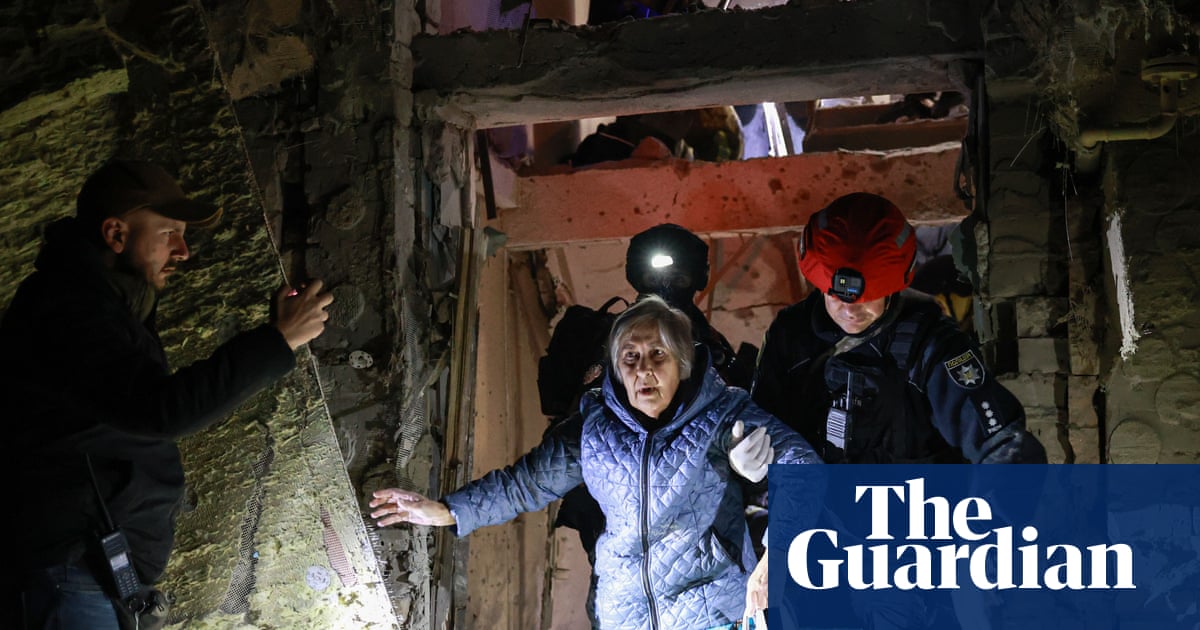
The timing of the announcement coincides with one of the most severe waves of attacks on Ukraine’s energy infrastructure in recent months. Moscow has launched massive strikes against power plants in an apparent effort to cripple the country’s ability to withstand the coming winter. Zelenskyy noted that these attacks reflect a deliberate Russian strategy to make Ukrainian cities unlivable, thereby forcing political concessions or internal instability.
Zelenskyy called on European nations to establish their own independent negotiations with Moscow, suggesting that reliance on US policy alone is no longer sufficient given the current trajectory of American-Russia relations. He emphasized that while Ukraine seeks to end the war, it cannot do so by accepting measures that restrict its defensive capabilities or remove penalties from the aggressor. The Ukrainian president urged continued support for the Lindsey Graham Act in the US Congress, arguing that effective pressure remains a vital tool for ending the conflict.
Tensions between the White House and Kyiv have escalated in recent weeks. Reports indicate that the US has withheld intelligence on impending ballistic missile attacks and ordered the Pentagon to limit Ukraine’s access to military-grade Starlink satellite internet services used for drone operations. Trump has also demanded that Ukraine cease strikes on Russian oil refineries, blaming Kyiv for contributing to global diesel price spikes rather than attributing them solely to geopolitical disruptions in other regions.
Ukraine had unilaterally halted its attacks on Russian energy facilities following Trump’s declaration of an energy ceasefire last week. However, Kyiv resumed these operations after observing that Russia continued to step up its own assaults on Ukrainian power infrastructure. This tit-for-tat dynamic highlights the fragility of any informal truces and underscores the deep mistrust between the two sides.
Russian officials welcomed the US decision. Kirill Dmitriev, a presidential envoy, described the suspension of the Graham Act as a historic moment that validates Moscow’s position. The contrast in reactions illustrates the divergent views on what constitutes progress: for Washington, it appears to be de-escalation through economic engagement; for Kyiv, it represents a dangerous retreat from accountability.
As winter approaches, the practical implications of this policy shift are becoming clearer. Without the threat of severe new sanctions, Russia may feel less constrained in its military operations. Meanwhile, Ukraine faces the dual challenge of defending its energy grid while navigating a complex diplomatic landscape where key allies are pursuing different strategies. The coming months will likely test whether economic incentives can truly replace coercive measures in influencing the course of the war.
The situation remains fluid, with uncertainty surrounding how long the pause on sanctions will last and what further steps the Trump administration might take. Zelenskyy’s appeal to Europe suggests a potential realignment of diplomatic efforts, but it is unclear whether European nations are prepared or able to fill the void left by US hesitation. The outcome of this standoff could redefine the broader international response to the conflict.
Sources behind this briefing
Go to the original reporting
- The Guardian World↗Trump’s pause on Russia sanctions is ‘reward’ for Putin, Zelenskyy says
- NPR↗Zelenskyy urges support for new US sanctions on Russia after Trump puts them on hold