The short version
- The Scottish National Party has officially initiated its campaign for a second independence referendum, backed by significant funding and coordinated efforts with other Celtic nations.
- SNP leaders argue that a potential hung parliament in the next UK general election would provide the necessary leverage to negotiate another vote on leaving the union.
- UK Prime Minister Andy Burnham has dismissed constitutional debates as distractions, urging both governments to prioritize practical solutions for the cost of living crisis.
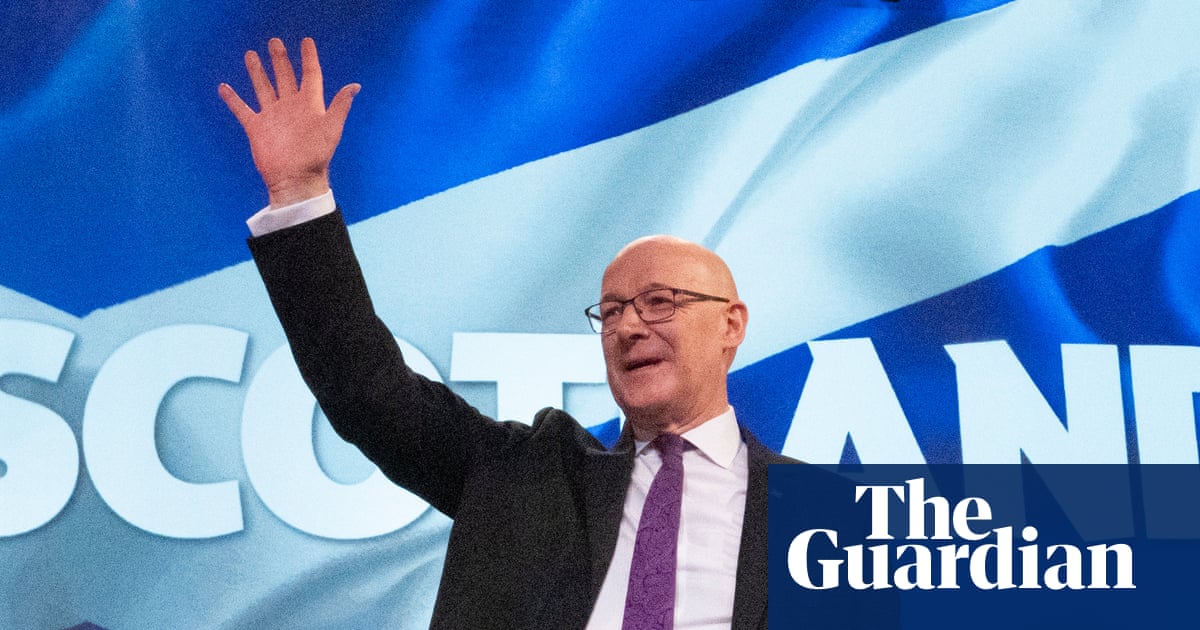
The Scottish National Party has formally declared that its campaign for a second independence referendum is underway, marking a significant escalation in efforts to separate Scotland from the United Kingdom. First Minister John Swinney announced this development during his keynote address at the party conference in Aberdeen, revealing plans for what he described as the most sophisticated political effort in the party's history. The initiative, branded as Choose Scotland, is supported by substantial financial resources intended to persuade voters of the benefits of sovereignty.
Swinney framed the renewed push as part of a broader cultural and political realignment among Celtic nations. He argued that historical narratives have long marginalized Scottish identity and culture, suggesting that current political dynamics are shifting in favor of greater autonomy. By highlighting cooperation with pro-independence leaders from Wales and Northern Ireland, Swinney sought to counter accusations of separatism, positioning the movement instead as a collaborative effort among distinct national identities within the region.
Central to the SNP's strategy is the anticipation of a fragmented outcome in the next UK general election. Party officials believe that a hung parliament would place them in a pivotal position, potentially holding the balance of power needed to negotiate terms for another referendum. Although the party currently holds only eight seats in Westminster, recent polling suggests a significant surge in support at the expense of the Labour Party in Scotland. This potential shift could see the SNP secure between forty and fifty seats, according to some estimates, thereby increasing their bargaining power.
Deputy First Minister Jenny Gilruth expressed enthusiasm for an early general election, viewing it as an opportunity to reinvigorate the independence cause. She noted that strong polling numbers across Scotland indicate a resurgence in nationalist sentiment. Similarly, MP Lara Bird emphasized the strategic advantage of a tight electoral result, suggesting that such a scenario would force Westminster to engage seriously with SNP demands. The prospect of coalition negotiations, possibly involving Liberal Democrats and Labour, further complicates the political landscape and may create openings for constitutional discussions.
Despite these optimistic projections, uncertainty remains regarding the exact number of seats the SNP will win. Recent multilevel regression polling by Electoral Calculus predicted a narrow victory for Labour, with the SNP securing twenty-eight seats. This discrepancy highlights the volatility in current political forecasting and underscores the challenges facing the nationalist campaign. The variance in predictions reflects broader uncertainties about voter behavior and the potential impact of economic conditions on electoral outcomes.
In response to these developments, UK Prime Minister Andy Burnham has urged the Scottish government to move beyond constitutional questions. During a visit to Lanarkshire, he argued that focusing on independence debates distracts from pressing practical issues affecting citizens across the UK. Burnham emphasized the shared challenges posed by the cost of living crisis, suggesting that energy spent on political drama could be better directed toward finding solutions for everyday problems. He offered to work more closely with Holyrood on devolving additional powers, aiming to address local concerns without altering the union's structure.
The divergence in perspectives highlights the deepening rift between Edinburgh and London. While Swinney insists that independence is imminent and that historical forces are aligning for change, Burnham views the issue as a distraction from urgent economic realities. This tension underscores the complex interplay between constitutional aspirations and practical governance. As both sides prepare for the next general election, the stakes remain high, with potential outcomes influencing not only Scotland's future but also the broader stability of the United Kingdom.
Looking ahead, the SNP's strategy hinges on leveraging electoral gains to force negotiations over a second referendum. Whether through a hung parliament or coalition dynamics, the party aims to capitalize on any weakness in Westminster's majority. Meanwhile, the UK government continues to advocate for unity and practical cooperation, resisting calls for constitutional change. The coming months will likely see intensified political maneuvering as both sides seek to shape public opinion and policy directions in this critical period of British politics.
Sources behind this briefing
Go to the original reporting
- The Guardian World↗SNP says campaign for next referendum on independence ‘has already begun’