The short version
- Nine anonymous firefighters report severe understaffing and leadership shortages within the U.S. Forest Service, despite agency officials claiming full operational capacity.
- Crews are facing extreme overtime hours and safety risks as they manage widespread blazes with minimal backup personnel available for rotation or substitution.
- The discrepancy between public assurances and on-the-ground realities has heightened concerns about responder safety and the long-term sustainability of federal fire suppression efforts.
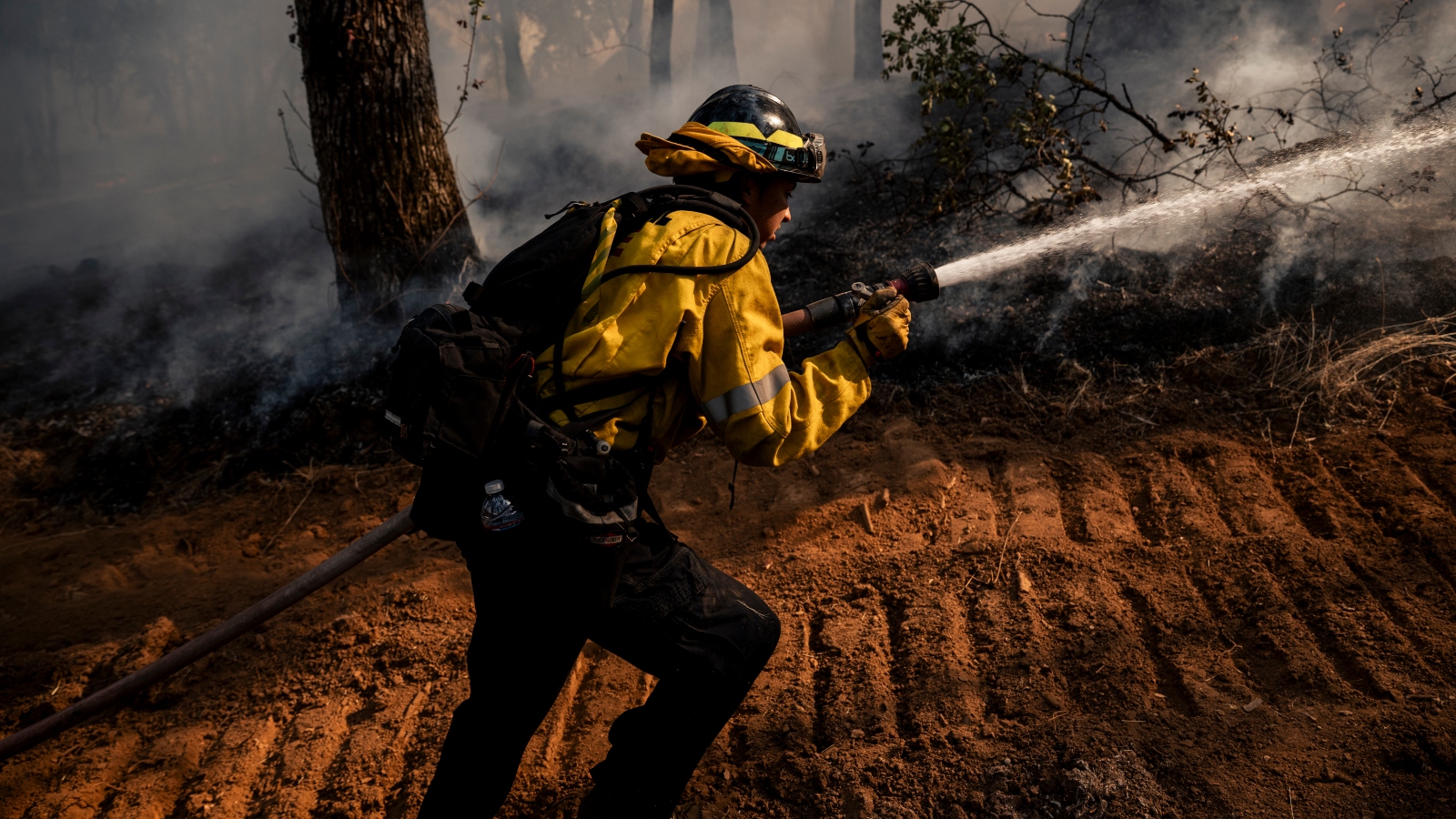
A significant disconnect has emerged between official assessments of federal wildfire response capabilities and the lived experiences of firefighters on the ground. While agency leadership maintains that the workforce is robust and fully equipped, multiple crew members report a critical shortage of personnel that threatens both operational effectiveness and responder safety. This tension has intensified during a summer marked by thousands of fires across the United States, placing immense strain on a system already stretched by escalating climate-driven conditions.
According to nine firefighters who spoke anonymously due to restrictions on disclosing internal information, the U.S. Forest Service is struggling to maintain adequate staffing levels. These individuals describe a scenario where every available firefighter is deployed at maximum capacity, leaving no reserve force for unexpected ignitions or crew rotation. The lack of backup personnel means that when major incidents occur in one region, resources are pulled from other areas, creating a domino effect that leaves multiple communities vulnerable.
The physical toll on these crews has reached unprecedented levels. In the previous fire season, many firefighters logged more than 1,000 hours of overtime, effectively adding five months of work to an already demanding schedule. Current projections suggest this year’s demands will be even greater, with high-risk conditions expected to persist for several more months. This sustained intensity raises serious questions about fatigue management and the long-term health of the workforce.
Agency officials have consistently portrayed a different picture. Tom Schultz, the chief of the U.S. Forest Service, testified before a congressional subcommittee in July that the firefighting workforce is stronger than at any point in recent years. He asserted that the agency is fully staffed and capable of responding aggressively to every unplanned ignition. This stance has been echoed by spokesperson John Winn, who declined to provide specific staffing breakdowns but reiterated that the agency operates at funded levels and maintains an effective posture.
However, firefighters familiar with internal hiring data argue that these public statements do not reflect operational reality. They point out that the agency’s benchmark of 11,300 positions has remained static for years, failing to account for the increased complexity and frequency of modern wildfires. The minimum staffing levels required for basic operations are far removed from what is needed to manage catastrophic events safely and effectively. This gap between rhetoric and reality has eroded trust among frontline workers.
A particularly acute shortage exists in leadership roles essential for managing large-scale suppression efforts. Positions such as taskforce leaders, division supervisors, and heavy equipment bosses require decades of experience and are difficult to fill quickly. The loss of these specialized personnel has created bottlenecks and operational challenges, slowing response times and complicating coordination during critical moments. Without experienced leaders on the ground, even well-trained crews struggle to execute complex strategies efficiently.
The consequences of this staffing crisis extend beyond logistical inefficiencies. Fire captains have expressed deep concern about their personal safety, noting that adequate staffing directly correlates with survival rates. When crews are exhausted and understaffed, the margin for error shrinks dramatically. The emotional burden is compounded by the perception that leadership is misleading the public and Congress about the true state of readiness, which adds a layer of frustration to an already dangerous job.
The U.S. Forest Service manages over 193 million acres of land and employs the majority of the federal government’s fire workforce. Recruitment and retention have been ongoing challenges for years, but the current climate crisis has exacerbated these issues by increasing the frequency and severity of fires. As the season continues, the agency faces mounting pressure to address these systemic weaknesses before more tragedies occur.
Looking ahead, the sustainability of the current response model remains in question. Without significant investment in hiring, training, and retaining both entry-level firefighters and experienced leaders, the system risks further degradation. Lawmakers and the public are left with conflicting narratives: one of strength and preparedness from agency officials, and another of exhaustion and vulnerability from those doing the work. Resolving this disparity will be crucial for ensuring effective wildfire management in the years to come.
Sources behind this briefing
Go to the original reporting
- Grist↗Firefighters sound alarm as US faces critical staffing shortage: ‘We don’t have enough people’