The short version
- A federal judge in South Carolina ordered the EPA to restart the Environmental and Climate Justice Block Grant Program after the Trump administration halted distributions.
- The D.C. Circuit Court simultaneously blocked the rescission of nearly $20 billion from the Greenhouse Gas Reduction Fund, potentially unlocking over $22 billion for underserved areas.
- The administration has signaled plans to appeal these decisions, citing staffing shortages and legal authority, while some previously funded projects have already ceased operations.
Federal courts have intervened to reverse the Trump administration’s attempt to dismantle major climate funding initiatives, ordering the Environmental Protection Agency to resume distributing billions of dollars intended for disadvantaged communities. The rulings mark a significant check on executive power regarding environmental policy, specifically targeting efforts to roll back investments authorized by Congress under the Inflation Reduction Act. These decisions ensure that funds designated for addressing health challenges and promoting clean energy in low-income areas will likely reach their intended recipients despite administrative opposition.
The first key development occurred last month when a federal judge in South Carolina mandated that the EPA restart the Environmental and Climate Justice Block Grant Program. This initiative, valued at $2.8 billion, was originally designed to mitigate harm from climate change and environmental issues in Black, low-income, and disadvantaged communities. The Trump administration had terminated the program shortly after taking office in 2025, halting distributions before any funds could be dispersed. The judicial order rebukes this effort, compelling the agency to honor the congressional authorization for these specific grants.
Simultaneously, the Washington, D.C. Circuit Court issued a separate but related decision blocking the EPA from rescinding nearly $20 billion in awards from the Greenhouse Gas Reduction Fund. While distinct from the block grant program, this fund is also part of the broader Inflation Reduction Act framework. It aims to make clean-energy investments, such as home upgrades, solar installations, and electric vehicles, more accessible to populations historically excluded from affordable green financing. Together, these two rulings suggest that over $22 billion in climate and environmental project funding may soon be distributed again.
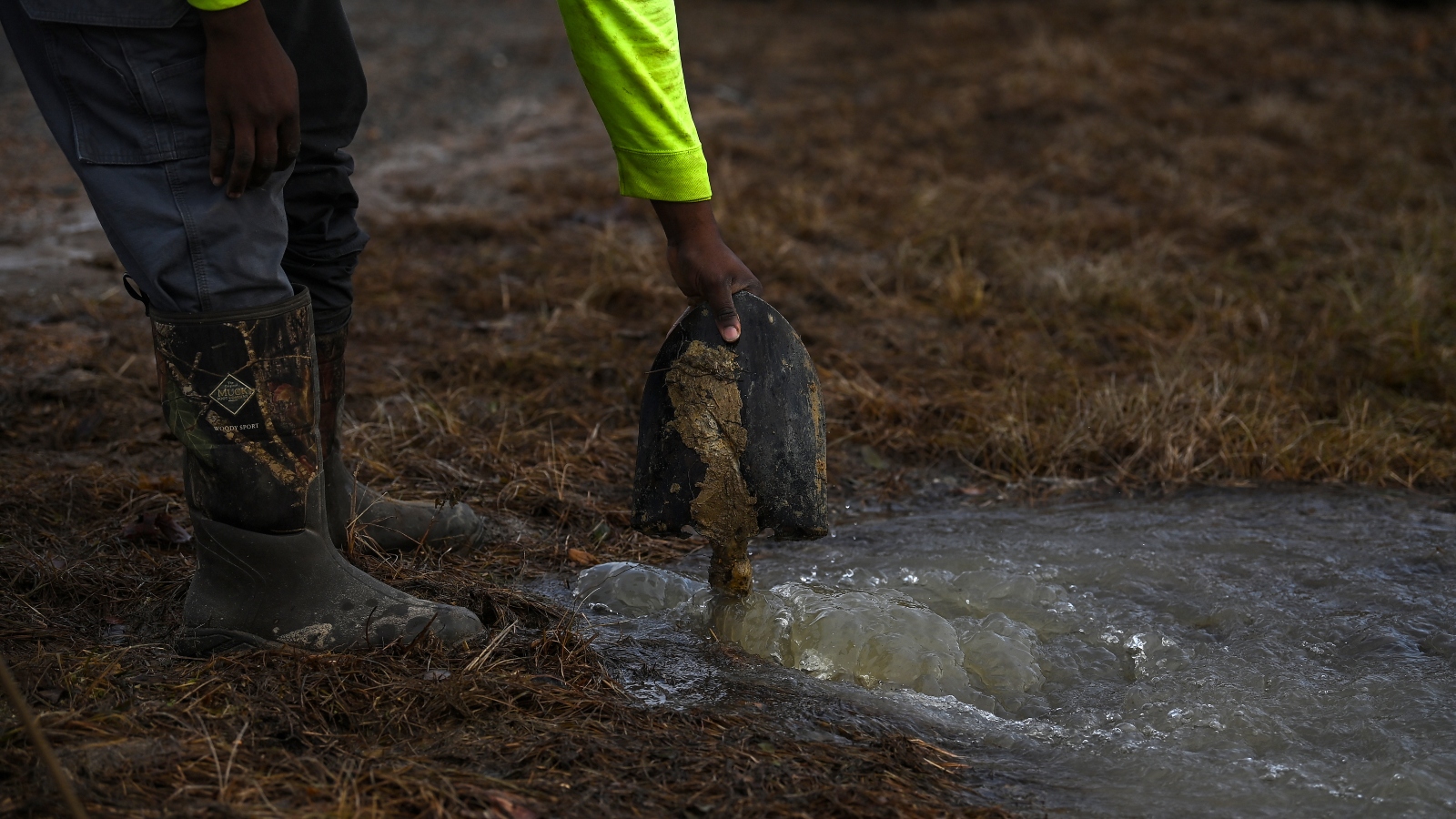
The impact of the funding freeze has already been felt on the ground, particularly in cities like Jackson, Mississippi. For years, residents there faced severe water crises, with brown water causing health issues ranging from rashes to more serious conditions. In 2023, a $20 million federal grant was awarded to support a resilience hub intended to provide safe shelter, clean water, and reliable power during disasters. The project, led by the nonprofit 2C Mississippi, aimed to create a facility with backup generators and an independent water well. However, the termination of the broader grant program left such initiatives in limbo, delaying critical infrastructure improvements for vulnerable populations.
Beyond immediate infrastructure needs, the pause in funding has disrupted workforce development programs tied to climate resilience. For example, a solar installation initiative for formerly incarcerated individuals in Houston was among the projects that ceased operations after receiving initial approval in 2024. Participants like Leon Dillard had found purpose and stability through these climate-friendly work opportunities. The abrupt halt not only removed economic prospects but also severed community support networks that were beginning to form around sustainable employment practices.
The Trump administration has moved quickly to challenge the judicial mandates, filing appeals against the ruling on the Environmental and Climate Justice Block Grant Program. Officials argue that the EPA currently lacks the necessary financial resources and personnel to implement the program effectively. This claim coincides with significant reductions in agency staffing; since 2024, the administration has fired approximately 25 percent of EPA workers, reducing the workforce to its lowest level ever. These cuts have raised questions about the agency’s capacity to manage complex grant distributions even if legal barriers are removed.
Analysts view these legal battles as a broader test of separation of powers. Matt Sedlar, a climate analyst at the Center for Economic and Policy Research, noted that the court outcomes signal that the administration must adhere to statutory laws passed by Congress. The Inflation Reduction Act remains the cornerstone of current economic policy regarding climate investment, and its provisions are not easily overturned by executive action alone. The legal challenges highlight the tension between legislative mandates for environmental justice and administrative efforts to scale back regulatory frameworks.
Looking ahead, it is likely that the administration will also appeal the D.C. Circuit Court’s decision regarding the Greenhouse Gas Reduction Fund. The prolonged legal uncertainty continues to create a challenging environment for community organizations and local governments relying on these funds. While the courts have provided temporary relief, the ultimate distribution of these billions depends on the final resolution of these appeals. Until then, communities like Jackson remain in a state of suspended animation, waiting for clarity on whether promised resilience projects will move forward.
The Associated Press estimates that the EPA programs and rules targeted by the administration were projected to prevent roughly 30,000 deaths annually, particularly within Black and disadvantaged communities. This statistic underscores the public health stakes involved in these legal disputes. As the appeals process unfolds, the focus remains on whether the judicial system will uphold the statutory requirements of the Inflation Reduction Act or allow further administrative dismantling of environmental protections. The outcome will have lasting implications for climate policy and equity in the United States.
Sources behind this briefing
Go to the original reporting
- Grist↗Trump ordered to release billions in climate grants meant for Black communities