The short version
- The Environmental Protection Agency has removed cancer risk estimates from its latest national air pollution data update, marking a significant shift in how public health information is shared.
- Advocates argue that withholding these assessments places an undue technical burden on residents and hinders efforts to hold polluters accountable for hazardous emissions.
- This change aligns with broader administrative actions that have removed or modified nearly two thousand environmental webpages and datasets since the current administration took office.
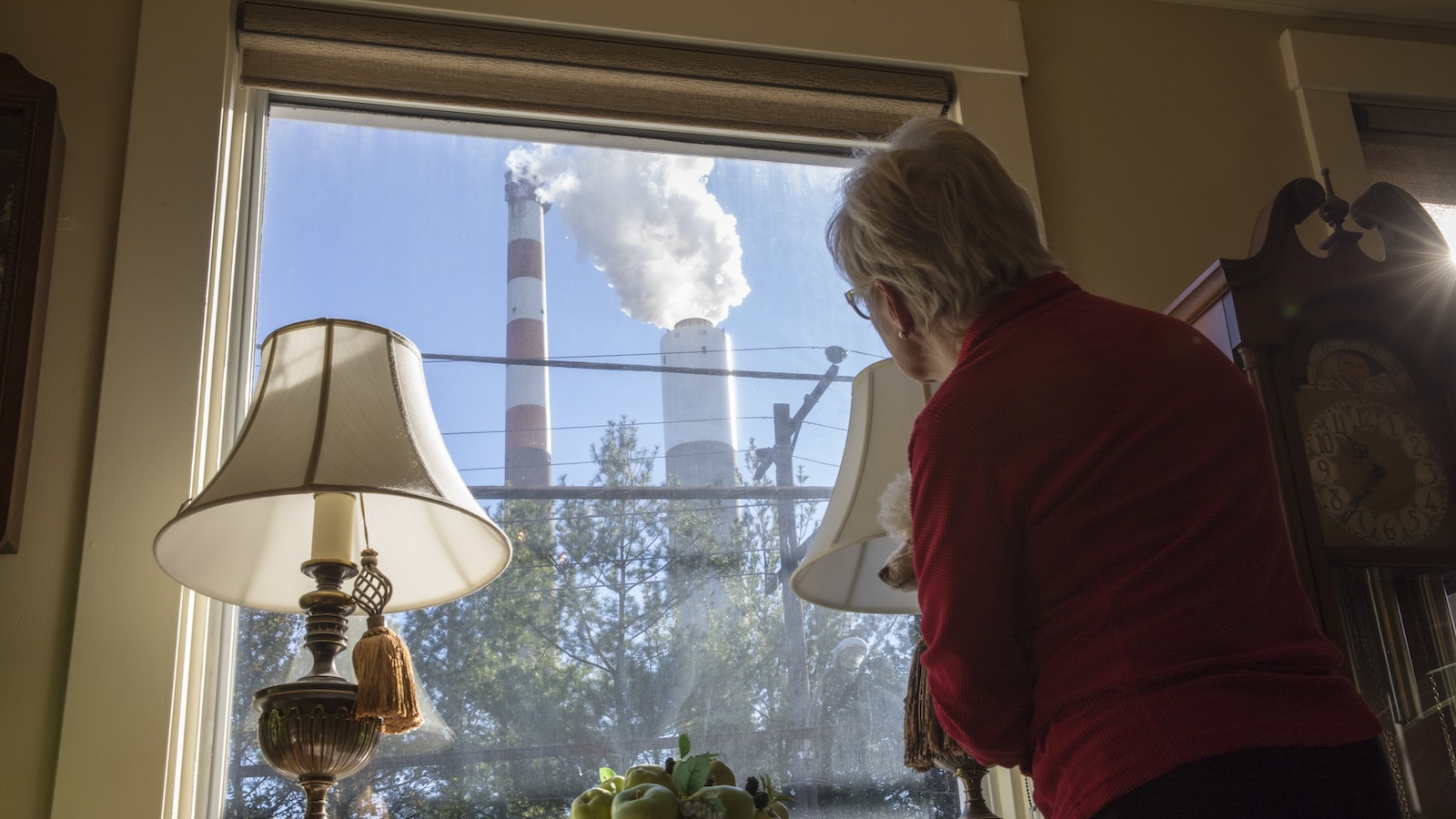
The Environmental Protection Agency has ceased publishing cancer risk estimates associated with air pollution, a move that removes critical context from national emissions data. While the agency continues to release raw figures regarding pollutant concentrations, it no longer provides the calculated health risks those emissions pose to nearby populations. This change affects the Air Toxics Screening Assessment program, which has supplied this information for more than two decades. The most recent update, published a year behind schedule, reflects emission data from 2021 rather than the expected 2022 figures.
The omission of risk assessments significantly alters how communities interpret local pollution levels. Previously, the EPA translated complex chemical data into accessible health metrics, allowing residents to understand the potential impact on their well-being. Without these estimates, the responsibility for interpreting raw pollution numbers falls on the public. Experts note that this task requires specialized technical knowledge and a deep understanding of agency protocols, creating a barrier for those without scientific training.
Darya Minovi, a researcher at the Union of Concerned Scientists, highlighted the practical consequences of this data gap. Her team previously used EPA risk data to map pollution from medical sterilization plants emitting ethylene oxide, a known carcinogen. That analysis revealed that over fourteen million people lived within five miles of such facilities and identified twenty-three sites with emissions levels definitively linked to elevated cancer risks. The resulting maps were instrumental in raising public awareness and pushing for stricter emission limits.
With the risk data now offline, Minovi argues that communities facing concentrated pollution sources are left vulnerable. She describes a situation where residents become caught in bureaucratic and political conflicts without adequate protection. The loss of this information makes it harder for neighborhoods to access vital public health insights and advocate for cleaner air. The shift effectively obscures the direct link between industrial emissions and specific health outcomes for those living nearby.
This development is part of a broader pattern of reduced transparency in environmental data under the current administration. Reports indicate that nearly two thousand webpages and datasets related to science, climate, and environmental topics have been modified or removed. Among these changes was the discontinuation of a tool allowing public searches of hazardous substance inventories by ZIP code. Additionally, the agency shut down EJScreen, a flagship environmental justice screening tool that mapped industrial pollution hot spots alongside demographic data to identify communities facing the greatest health risks.
Inyang Uwak, a research and policy director for Air Alliance Houston, criticized the administration’s approach as prioritizing industrial interests over public health. She emphasized that such data is essential for advocacy organizations, scientists, and policymakers making informed decisions. The removal of these resources represents a disservice to general public health, according to Uwak, who noted that the information was highly useful for tracking and addressing environmental hazards in Texas and beyond.
The EPA’s Air Toxics Screening Assessment program has historically provided detailed concentrations of dozens of toxic pollutants down to the census block level. Although the agency began releasing this data annually in 2022, the information often lags behind real-time conditions due to compilation times. Factories and other polluting facilities frequently change operations, leading to dramatic shifts in local pollution levels. The annual updates were designed to provide communities with the most current available information regarding these changes.
The latest data release was only made publicly available this summer after intervention by Tai Lung, a senior advisor for federal data policy at the Federation for American Scientists. Lung, who previously led the EJScreen tool at the EPA before being suspended alongside colleagues, contacted the agency to ensure the information reached the public. An EPA spokesperson stated that the agency will continue posting annual nationwide air toxics emissions and concentration data, but did not address the absence of risk estimates.
The implications of this policy shift extend beyond immediate access to information. By removing the layer of health risk interpretation, the agency may reduce the visibility of pollution impacts on marginalized communities. Advocates warn that without clear, translated data, it becomes more difficult to identify and address environmental injustices. The future availability of such risk assessments remains uncertain as the administration continues to reshape environmental reporting standards.
As communities navigate this new landscape, the burden of understanding pollution risks has shifted from federal agencies to local residents and nonprofit organizations. This change underscores a growing tension between data transparency and regulatory discretion. While raw emission numbers remain accessible, the lack of contextual health information may hinder efforts to protect public health and hold polluters accountable for their environmental impact.
Sources behind this briefing
Go to the original reporting
- Grist↗The EPA’s data on cancer risk from air pollution has gone dark