The short version
- U.S. Department of Agriculture projections indicate global rice production may fall for the first time in over a decade due to extreme weather.
- The current 'super El Niño' is intensifying droughts that disrupt staple crop systems, with U.S. output expected to drop to forty-year lows.
- While improved irrigation and breeding offer some resilience, rising temperatures are predicted to cause substantial long-term yield declines.
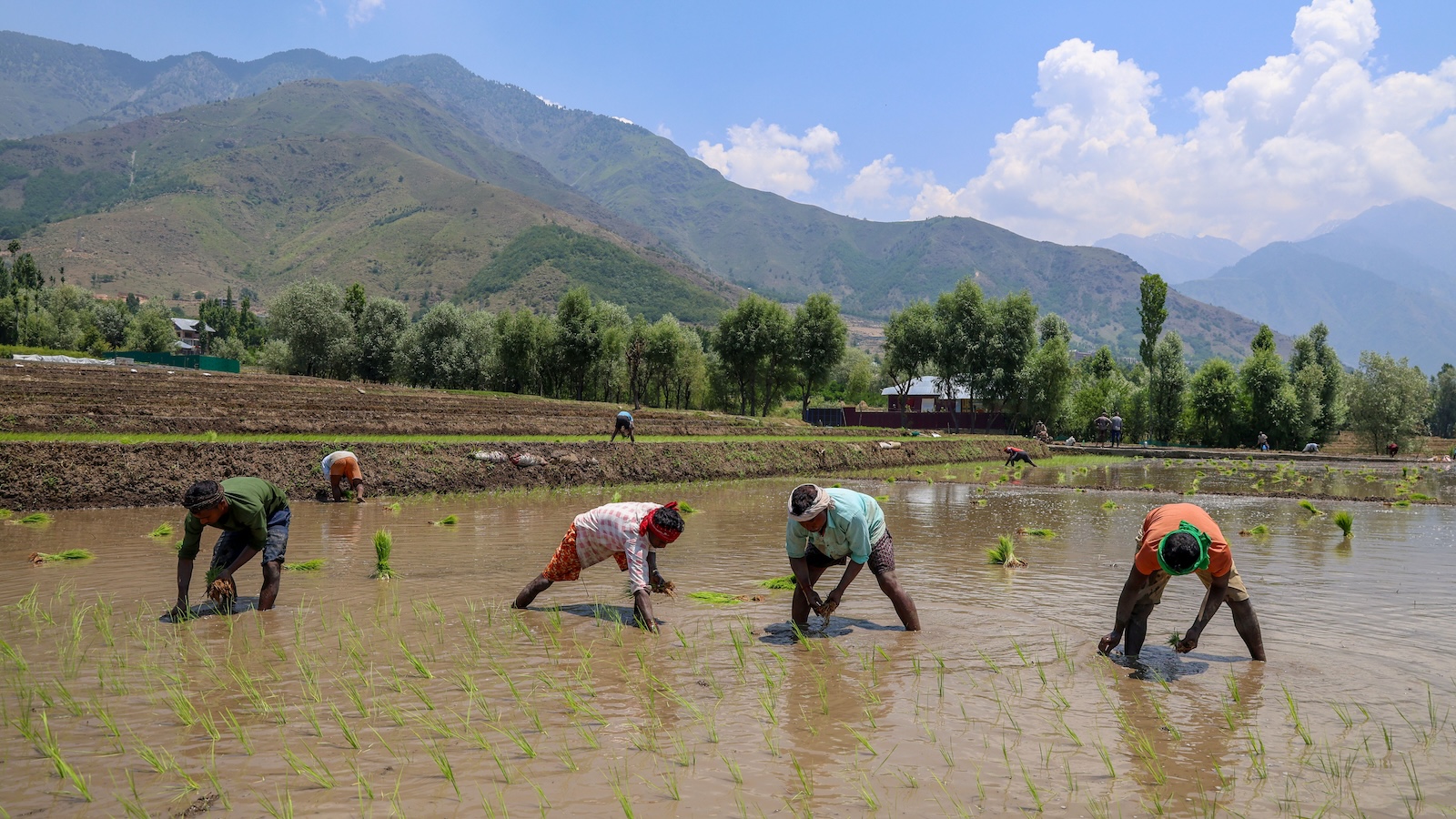
Global rice production faces potential decline as a powerful El Niño weather pattern intensifies dry and hot conditions. The U.S. Department of Agriculture projects that worldwide output could fall for the first time in more than ten years. In the United States, particularly in the Mississippi Delta region, harvests are expected to drop by more than half, reaching their lowest levels in four decades.
Scientists describe the current El Niño as exceptionally strong, driving extreme weather patterns including severe droughts across various regions. Warmer ocean temperatures and weakened trade winds create atmospheric waves that disrupt rainfall, leading to unpredictable monsoon seasons in South Asia and dry spells elsewhere. These conditions pose significant challenges for farmers dependent on consistent water supplies.
Although advancements in irrigation and plant breeding have helped stabilize production in some areas like India, climate models suggest future losses may be underestimated. Higher carbon dioxide levels currently boost photosynthesis, but increasing temperatures are expected to offset these gains. Research indicates that for every degree Celsius of warming, rice yields could decrease by approximately eight percent.
Sources behind this briefing
Go to the original reporting
- Grist↗Why rice crops could be in for a weird year