The short version
- The conference prioritizes executing existing Paris Agreement commitments rather than establishing new sweeping targets.
- Severe weather events in Europe, Asia, and the Americas underscore the urgency of adaptation measures.
- Significant gaps remain between pledged climate finance and actual disbursements to developing nations.
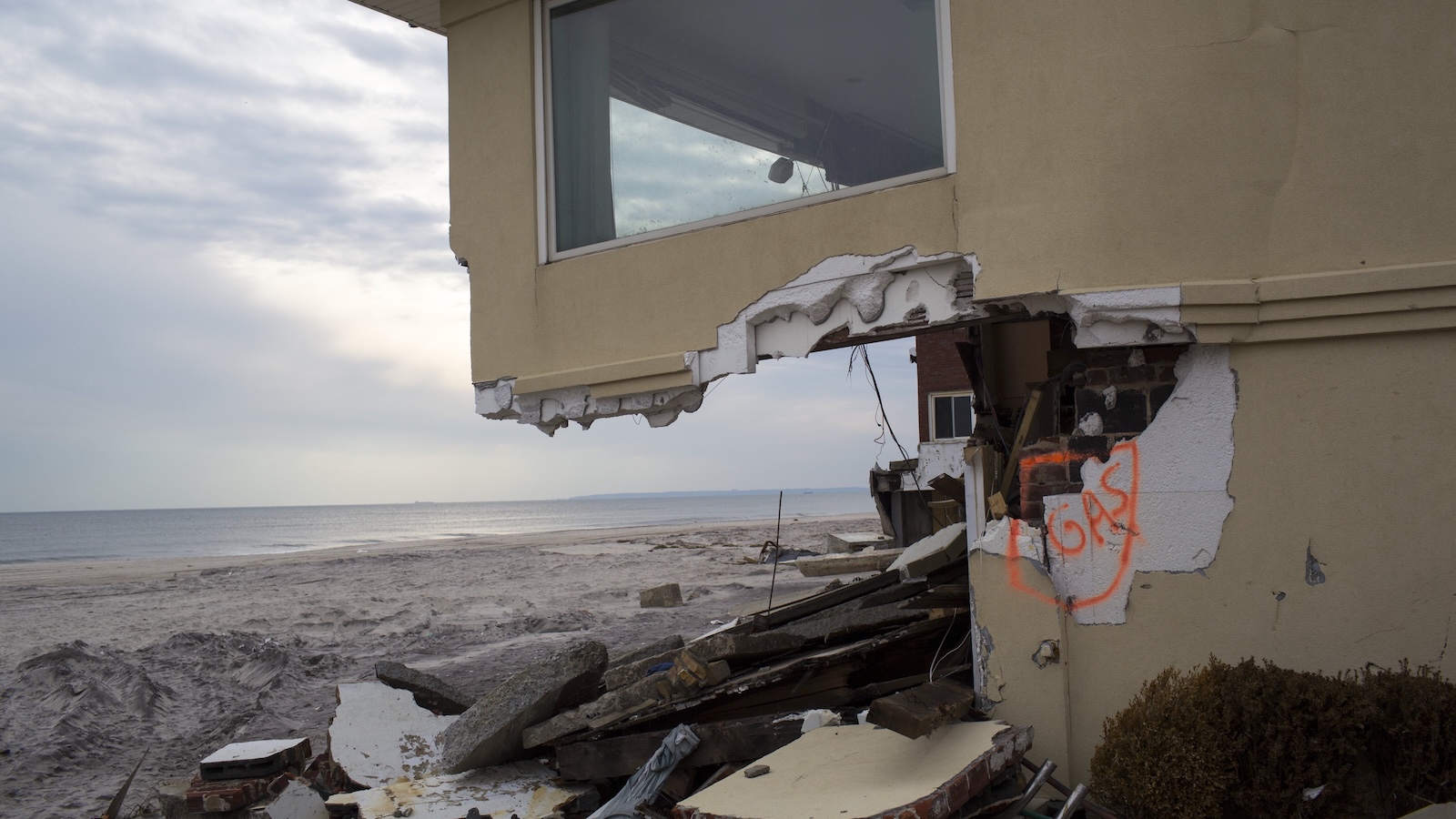
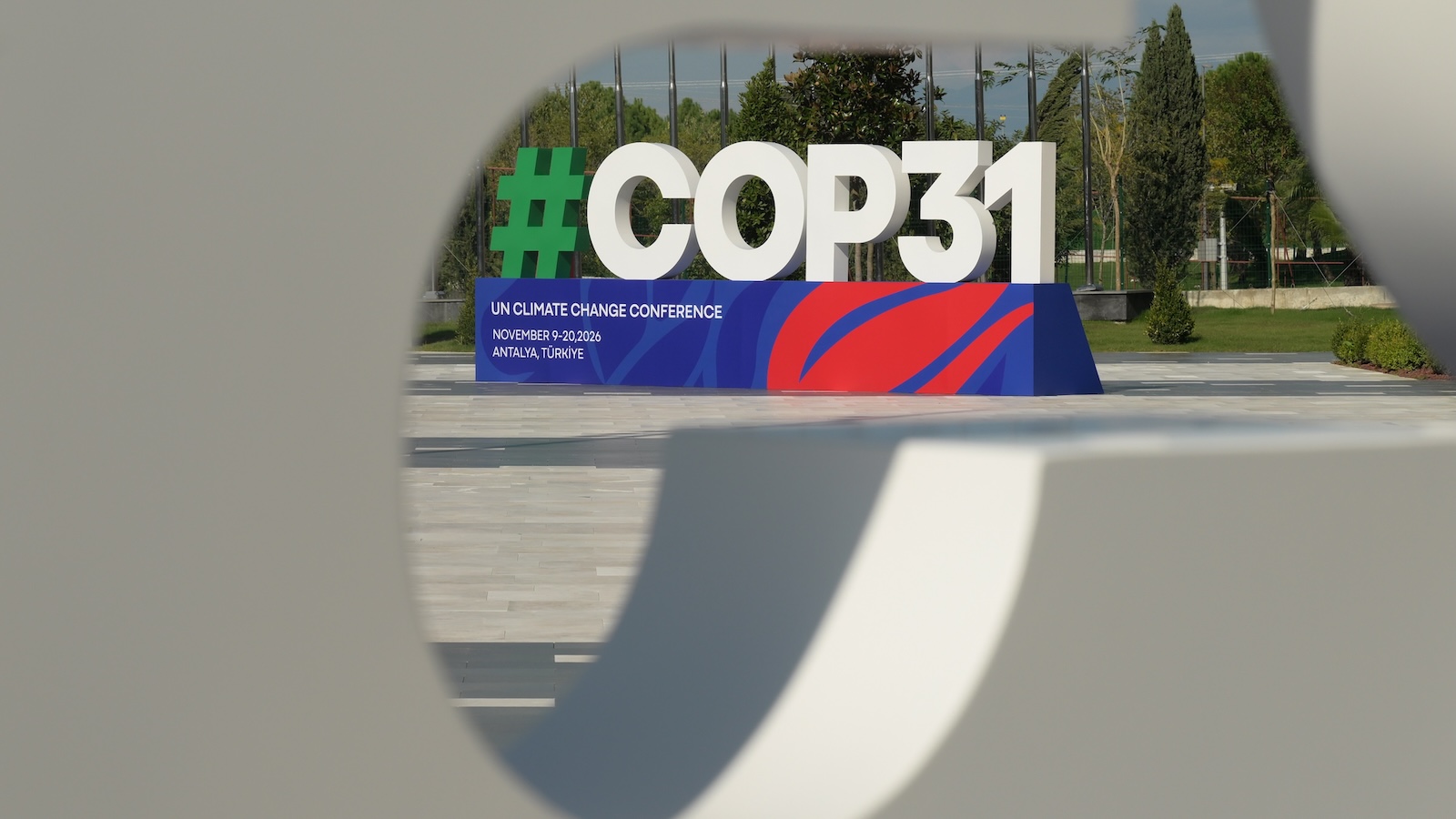
World leaders have convened in Antalya, Turkey, for the thirty-first United Nations Conference of the Parties, marking a pivotal moment in global climate diplomacy. The gathering occurs against a backdrop of intensifying environmental disasters that have defined the past year. From devastating forest fires across Canada, Indonesia, and Brazil to lethal heat waves in Europe, the physical impacts of a warming planet are becoming increasingly visible and costly. These events have resulted in tens of thousands of deaths and billions of dollars in damages, highlighting the immediate human toll of climate change.
This summit is distinct because it follows a sobering United Nations report confirming that the world has likely breached the 1.5 degrees Celsius warming threshold established as a critical benchmark in the 2015 Paris Agreement. Scientists have long warned that exceeding this limit could trigger irreversible climatic tipping points. Despite the gravity of this milestone, expectations for COP31 are tempered. Unlike previous conferences that produced landmark agreements or broad calls to transition away from fossil fuels, this event is characterized as an implementation-focused meeting.
Negotiators are primarily tasked with fleshing out existing commitments rather than drafting new ones. The agenda centers on operationalizing workstreams initiated in prior years, including the start of the next global stocktake, which assesses collective progress every five years. Delegates will also discuss methods for measuring advancement toward the global goal on adaptation, a framework agreed upon during the previous conference in Brazil. Additionally, there is consideration regarding the extension of a mitigation work program designed to accelerate emissions reductions.
A significant portion of the discussions involves the formal creation of a just transition mechanism. This initiative aims to enhance international coordination and support for moving away from fossil fuel dependence. Specific measures may include job retraining programs for workers in oil and gas industries and the transfer of carbon-free technologies from wealthy nations to developing economies. Experts describe this approach as practical and grounded, focusing on the administrative and logistical details required to make previous promises a reality.
However, the geopolitical landscape complicates these efforts. Wars, economic instability, and shifting political priorities in major donor countries have strained multilateral cooperation. Many wealthy nations have reduced their international aid budgets due to domestic pressures such as inflation and energy insecurity. The United States administration has effectively halted international climate finance contributions, while other potential donors are reluctant to increase support. This environment makes even routine procedural agreements notable achievements.
Climate finance remains a contentious issue, with developing countries pushing for greater alignment of financial flows with climate action goals. There is ongoing debate about how to fulfill the promise made last year to triple adaptation financing by 2035. The disparity between pledged funds and actual deliveries is stark. While approximately $826 million has been promised to the Loss and Damage Fund, only about $450 million has been disbursed so far.
The inadequacy of current funding mechanisms was highlighted by recent disasters in Nepal, where glacial melt triggered floods causing nearly $5 billion in damages and over 1,500 deaths. The initial payout from the Loss and Damage Fund amounted to $21.6 million, representing less than one percent of the total economic impact. This shortfall underscores the urgent need for more robust financial structures to support vulnerable nations facing catastrophic climate-related events.
As negotiations proceed, the focus remains on bridging the gap between ambitious international goals and the practical realities of global politics. While no single decision at COP31 is expected to generate major headlines, the cumulative effect of these implementation steps could determine the effectiveness of future climate action. The success of this conference will likely be measured by its ability to maintain momentum in a fragmented geopolitical landscape.
Sources behind this briefing
Go to the original reporting
- Grist↗What to expect as world leaders gather for COP31