The short version
- At least two fatalities and nearly eighty rescues occurred after intense rains triggered a flash flood in the Grand Canyon's Bright Angel Creek area.
- Federal assessments indicate that runoff risks are significantly elevated due to the barren terrain left by the previous year's Dragon Bravo wildfire.
- Climate scientists attribute the storm's severity to a combination of severe drought, hardened soil conditions, and increased atmospheric moisture from El Niño.
A catastrophic flash flood swept through the Grand Canyon over the weekend, resulting in at least two deaths and leaving one person unaccounted for. The disaster unfolded on Saturday when torrents of rain triggered a surge of water and debris that rushed through Bright Angel Creek, a heavily visited section of the national park. Emergency responders conducted extensive operations, rescuing nearly eighty individuals who were caught in the rapidly rising waters. The event underscores the volatile nature of summer weather in the region, where clear skies can deteriorate quickly into dangerous thunderstorms during the monsoon season.
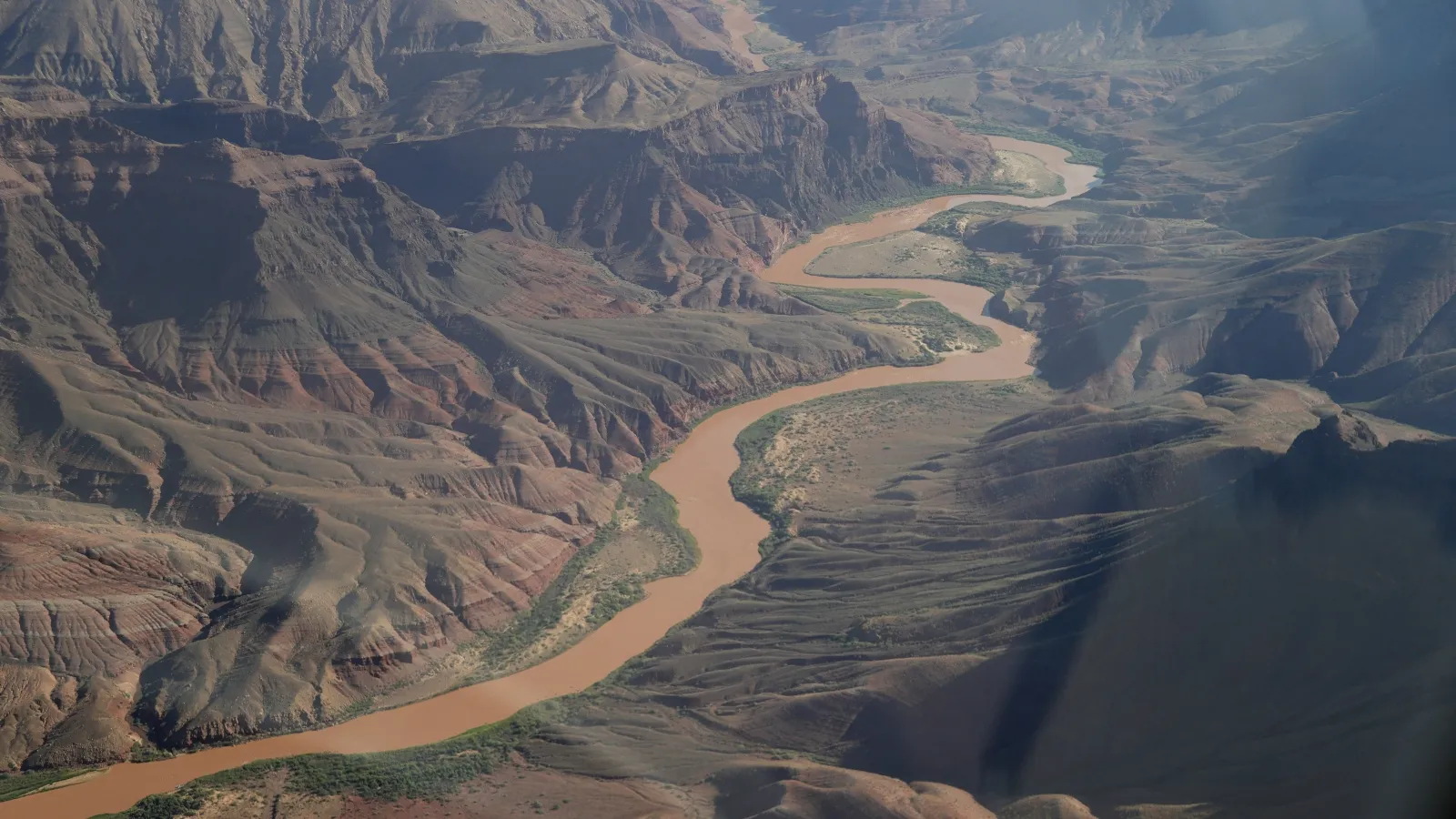
The geography of the canyon played a critical role in the severity of the flooding. Steep, rocky terrain naturally funnels water with great speed, transforming localized downpours into powerful walls of moving water and sediment. This topographical feature makes flash floods a recurring hazard from June through September, as arid landscapes struggle to absorb sudden volumes of precipitation. However, this particular event was exacerbated by specific environmental conditions that amplified the destructive potential of the storm.
One significant factor was the impact of the Dragon Bravo wildfire, which burned nearly 150,000 acres and destroyed the historic Grand Canyon Lodge in July 2025. The fire left large sections of the landscape barren, removing vegetation that typically helps soil retain moisture and slow runoff. Federal teams from the Department of the Interior had previously assessed post-fire threats, noting that risks for debris flows were elevated upstream of Phantom Creek. Their reports warned that runoff risks could be two to eight times greater in these areas, with hikers facing frequent stabilization issues and hazardous rockfall for at least a year following the blaze.
Park officials expressed concern early in the summer that stronger storms might create dangerous conditions near these burned zones. Eyewitness accounts from evacuees described the creek turning black as it filled with runoff, swallowing bridges and other infrastructure. While it remains unclear exactly how much long-term landscape damage directly contributed to this specific disaster, federal models indicated a rise in debris flow risks in the Bright Angel Creek area. The combination of steep slopes and fire-scarred earth likely accelerated the speed and volume of the water surge.
Beyond local wildfire effects, broader climate dynamics appear to have intensified the storm. A severe drought continues to affect the Grand Canyon region and the wider Colorado River basin, leaving the ground hardened and sparsely vegetated. This dry terrain is less capable of absorbing abrupt increases in moisture, leading to rapid surface runoff rather than infiltration. Scientists note that such compound extremes, where multiple contributing factors overlap, are becoming more common as temperatures climb and weather patterns shift.
The storm may also have been supercharged by El Niño, a climate phenomenon characterized by warming sea surface temperatures in the Pacific Ocean. This cycle increases the amount of water vapor in the atmosphere, which is then released as heavy rainfall in the Southwest. Although El Niño is part of a natural cycle, models suggest this iteration could be among the strongest on record. It layers atop temperature spikes driven by the broader climate crisis, dramatically increasing the probability of severe weather events.
Research supports the link between human-caused climate change and intensifying precipitation patterns in the region. Daniel Swain, a climate scientist at the California Institute for Water Resources, described the connection as moderately strong. A recent study published in Weather and Climate Extremes found that short-term intense downpours in the US West have become ten percent stronger since 2000. These findings highlight a trend toward more powerful storms during the summer months.
The incident serves as a stark reminder of the growing challenges posed by overlapping climate risks. As extreme events increase in frequency and intensity, they test the limits of national resilience and recovery capabilities. The convergence of drought, wildfire aftermath, and atmospheric changes created a perfect storm scenario in the Grand Canyon. Moving forward, officials and scientists will likely continue to monitor how these compound factors influence future weather patterns and disaster preparedness strategies in vulnerable ecosystems.
The rescue operations highlighted the difficulties of responding to such rapid-onset disasters in remote, rugged terrain. Helicopters were required to evacuate hikers trapped by the rushing waters, which had overwhelmed standard trail infrastructure. The incident has prompted renewed attention to safety protocols for visitors during monsoon season, particularly in areas affected by recent wildfires. Authorities are expected to review risk assessments and communication strategies to better warn the public about evolving hazards.
While the immediate crisis has passed, the long-term implications for park management and climate adaptation remain significant. The event illustrates how historical weather patterns are shifting under the influence of global warming and local environmental degradation. Understanding these complex interactions is essential for developing effective mitigation strategies. As similar conditions persist across the Southwest, other regions may face comparable risks, necessitating proactive measures to protect both human life and natural resources.
Sources behind this briefing
Go to the original reporting
- Grist↗How intense rains in the Grand Canyon turned into a deadly disaster