The short version
- World Weather Attribution found climate change made fire-prone conditions at least twice as likely in France and twenty times more likely in central Spain.
- Hundreds of thousands have been displaced by the fires, which are part of a broader pattern of heat waves and droughts scorching Western Europe.
- The region faces continued risk as summer temperatures remain high, with burned areas already surpassing previous records.
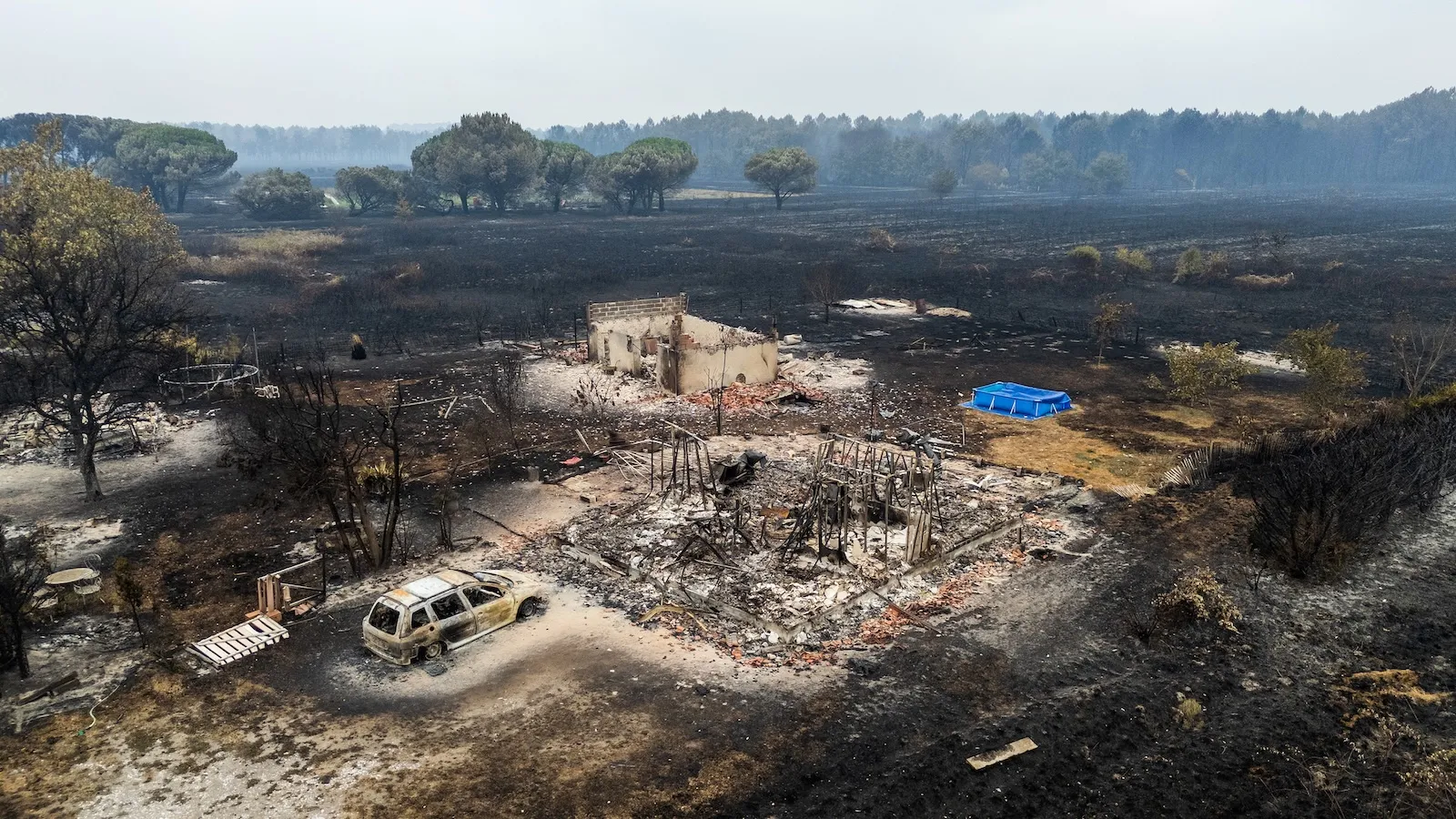
Recent wildfires in France and Spain have forced hundreds of thousands to flee their homes, marking one of the largest evacuations in Europe since World War II. A study by World Weather Attribution indicates that human-induced climate change played a significant role in creating the conditions for these fires. The analysis suggests warming made fire-prone weather at least twice as likely in France and up to twenty times more likely in central Spain.
The disaster follows months of intense heat waves and drought that dried out vegetation, turning landscapes into highly flammable terrain. June was recorded as the hottest ever in Western Europe, causing infrastructure failures and thousands of heat-related deaths. Current burned areas exceed 430,000 hectares, potentially surpassing last year’s record-breaking season.
Experts describe this event as part of a recurring pattern rather than an isolated incident. Research shows that days with extreme fire weather conditions have more than doubled in Southern Europe over recent decades. As heat waves continue, the risk of further fires remains high, prompting officials to label climate change a national security emergency threatening livelihoods and stability.
Sources behind this briefing
Go to the original reporting
- Grist↗Here’s what supercharged the monster wildfires in Spain and France