The short version
- Over nine thousand people from at least eighty-one First Nations have been displaced since April due to widespread wildfires.
- Community leaders report inadequate equipment and delayed assistance, prompting calls for an independent inquiry into provincial response failures.
- Disputes over legal recognition status are preventing some affected communities from accessing federal rebuilding funds.
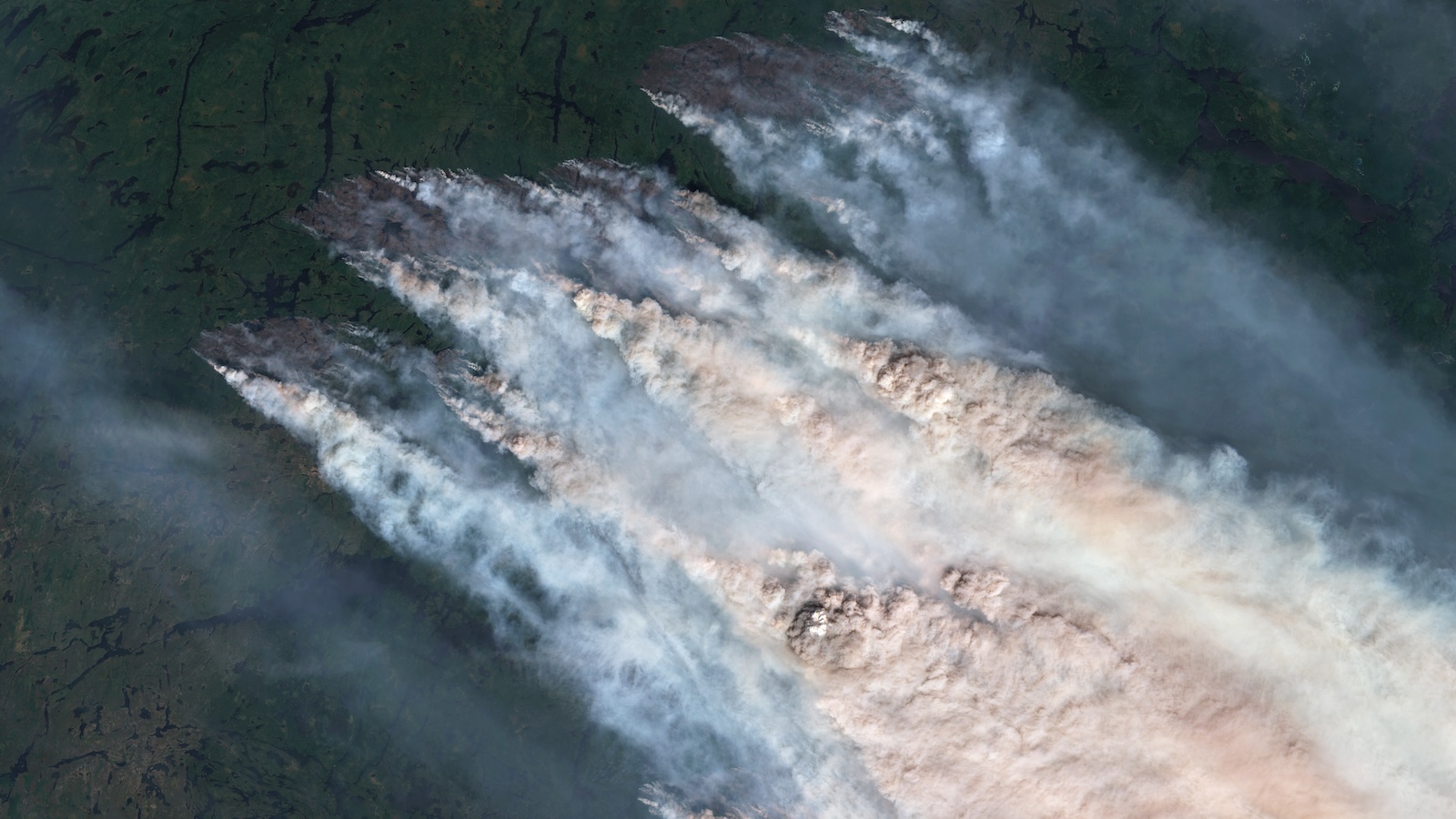
The wildfire season in Canada has intensified significantly, with six hundred one fires currently burning across the nation. As of early August, one hundred thirteen of these blazes were classified as out of control, while another three hundred seventy-one remained uncontained but under monitoring rather than active suppression. This surge in activity has resulted in widespread displacement, particularly affecting Indigenous populations who have been forced from their homes repeatedly throughout the summer.
Data indicates that at least eighty-one First Nations communities have been impacted by the fires since April began. Approximately nine thousand one hundred thirty-one individuals have been evacuated from their residences during this period. While some evacuation orders have been rescinded or downgraded as immediate dangers ease in certain areas, two thousand five hundred twenty-four people remained displaced as of Tuesday. The geographic scope of the crisis spans multiple provinces, stretching from British Columbia to Ontario.
In British Columbia, the Okanagan Indian Band faced severe destruction when the Bradley Creek wildfire ignited on reserve lands near Vernon at the end of July. Chief Dan Wilson reported that more than thirty band members lost their homes, along with approximately two hundred structures belonging to non-band members. The fire consumed roughly six thousand five hundred fifty acres before being contained. Wilson noted that while physical property was lost, the deeper impact involved the destruction of family histories, photographs, and cultural artifacts such as Salish baskets held by Elders.
Despite the devastation, some community assets survived. Wilson observed from a helicopter tour that the Komasket powwow arbour grounds, a nearby daycare, and a cultural immersion school remained unscathed. He praised the local fire department, which consists of about thirty trained firefighters, for their rapid response alongside provincial crews. However, he highlighted a critical gap in resources: the band’s equipment was limited to a truck designed for structural fires rather than wildland firefighting. Wilson argued that access to proper off-road vehicles could have allowed first responders to extinguish the blaze immediately upon arrival.
Similar challenges emerged in Ontario, where a fast-moving fire devastated Namaygoosisagagun First Nation, also known as Collins First Nation, in July. Residents were forced to flee by boat as flames approached. According to Chiefs of Ontario, at least twelve First Nations in the province have faced full or partial evacuations this summer. Regional Chief Abram Benedict described the provincial response as a catastrophic and systemic failure, citing bureaucratic obstacles that hindered emergency assistance. His organization has demanded an independent public inquiry into these shortcomings.
Tensions also arose regarding evacuation protocols. Leaders of Kiashke Zaaging Anishinaabek contested a decision by the Ontario government to withdraw wildfire implementation and evacuation orders while significant fires remained uncontrolled nearby. These incidents underscore broader concerns among Indigenous leaders about the information used to make evacuation decisions and the timeliness of support provided during crises.
Recovery efforts are further complicated by legal distinctions regarding federal assistance. Although Namaygoosisagagun residents are recognized as First Nations people under the Indian Act, the community itself is not officially recognized as a First Nation. A lawyer representing the group warned that denying them emergency and rebuilding aid available to recognized entities could jeopardize their ability to recover. This situation highlights the intersection of environmental disaster and longstanding administrative inequities.
The current crisis echoes past traumas for some communities. The Okanagan Indian Band experienced a similar wildfire five years ago at Whiterock Lake, which destroyed ten homes and displaced residents for weeks. Chief Wilson emphasized the resilience of his people, noting their ten-thousand-year history in the region. Yet, the recurring nature of these disasters raises urgent questions about long-term preparedness and resource allocation for Indigenous communities facing increasing climate-related risks.
As the season progresses, the focus shifts from immediate evacuation to long-term recovery. The disparity in equipment, delays in aid, and legal barriers to funding present significant hurdles. Without addressing these systemic issues, affected communities may struggle to rebuild not just their homes, but the cultural and historical foundations that define their identity. The coming months will likely reveal whether federal and provincial governments can bridge these gaps effectively.
Sources behind this briefing
Go to the original reporting
- Grist↗Canada’s wildfire season is taking a heavy toll on First Nations