The short version
- A 28-year-old laboratory worker died after falling ill at a plague research institute in Siberia, prompting speculation about pneumonic plague.
- The World Health Organization states the risk outside Russia is very low, noting that all contacts of the deceased tested negative for infectious pathogens.
- Russian authorities have concluded medical monitoring of contacts and described the epidemiological situation as stable, though investigations continue.
The World Health Organization (WHO) has characterized the risk of a pneumonic plague outbreak spreading beyond Russia as "very low" following the death of a laboratory worker in Siberia. The incident has drawn international attention and revived concerns about biosecurity, but health agencies emphasize that immediate containment measures have been effective. Russian officials report that all individuals who came into contact with the deceased woman have tested negative for dangerous infectious disease pathogens.
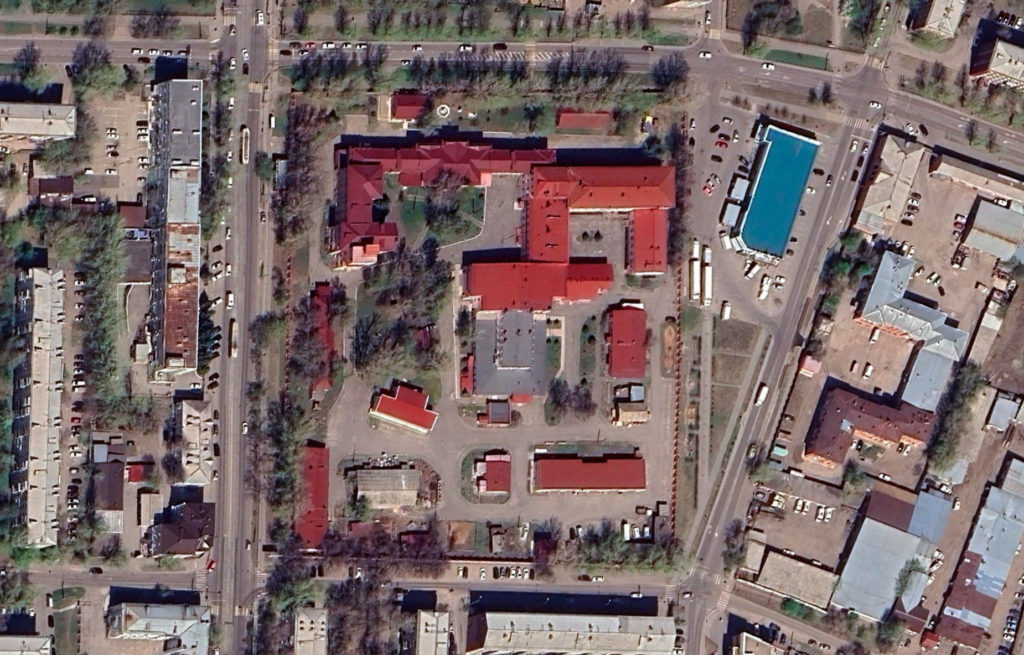
The case involves Darya Shipilova, a 28-year-old employee at the Irkutsk Anti-Plague Research Institute of Siberia and the Far East. She fell ill after a reported accident at the facility and subsequently died at a hospital in Shelekhov, a town near Irkutsk. While Russian health watchdogs have officially stated she died of "pneumonia of unknown aetiology," media reports and speculation have focused on the possibility of a pneumonic plague infection due to her workplace environment.
Pneumonic plague is considered the most virulent form of the disease, caused by the bacterium Yersinia pestis. Unlike bubonic plague, which is typically transmitted through flea bites, pneumonic plague affects the lungs and can spread between humans through respiratory droplets. The incubation period can be as short as 24 hours, and symptoms include severe shortness of breath, chest pain, and coughing up blood. Without timely antibiotic treatment, the illness can be fatal.
In response to the death, Russian health authorities implemented a comprehensive range of preventive measures. These included tracing all contacts of the deceased, conducting medical monitoring, and performing laboratory tests. According to an international health alert system notification relayed by the WHO, test results showed no presence of dangerous pathogens in any of the contacts. Consequently, medical monitoring for 100% of the contacts has been concluded.
The hospital where Shipilova died was placed under quarantine, and similar measures were enacted in several other hospitals in eastern Russia. Despite these precautions, the incident has sparked public anxiety, partly due to historical associations with plague outbreaks and recent global health crises. The WHO noted that the case has revived memories of the COVID-19 pandemic and allegations regarding lab origins, but stressed there is no indication of a similar large-scale event.
Experts emphasize that plague remains an endemic disease in various parts of the world, including Africa, Asia, and the Americas. Professor Piero Olliaro from the University of Oxford noted that while the bacterium persists in animal reservoirs, established surveillance and effective antibiotic treatments limit its impact. Global cases of all plague types typically range between 1,000 and 3,000 annually, with most being bubonic plague.
The White House has also been monitoring the situation, according to reports, reflecting the international interest in biosecurity incidents involving research facilities. However, no evidence suggests a breach of containment that would threaten public health on a broader scale. Russian officials maintain that the epidemiological situation is stable and remains under close observation.
Dr. Zania Stamataki from the University of Birmingham highlighted the importance of laboratory research in understanding diseases like plague. She noted that while the idea of plague in a lab is alarming, such work is essential for developing vaccines and treatments. The incident underscores the need for rigorous safety protocols in facilities handling dangerous pathogens.
As investigations continue, the focus remains on determining the exact cause of Shipilova’s death and ensuring that no further transmission has occurred. The WHO has requested additional information from Russian authorities to fully assess the situation. Until more definitive data is available, health agencies advise caution but reassure the public that the risk of a widespread outbreak is minimal.
The case serves as a reminder of the challenges in managing high-consequence pathogens in research settings. While the immediate threat appears contained, the incident highlights the importance of transparency and rapid response in preventing panic and ensuring accurate information dissemination. Ongoing monitoring will be crucial to confirm that the situation remains under control.
Sources behind this briefing
Go to the original reporting
- PBS NewsHour↗How Russia and the world are responding to a possible case of pneumonic plague after lab worker death
- The Guardian US↗Plague outbreak? Russian lab worker dies in Siberia - The Latest
- BBC News↗What is pneumonic plague and how does it spread?
- Axios↗Scoop: White House monitors suspected plague outbreak in Russia