The short version
- The environment secretary will announce a three-year plan to plant 500,000 trees across England.
- Funding of £79 million is allocated for tree planting and local nature recovery strategies.
- Critics and advocates note the shift in government stance on environmental protection.
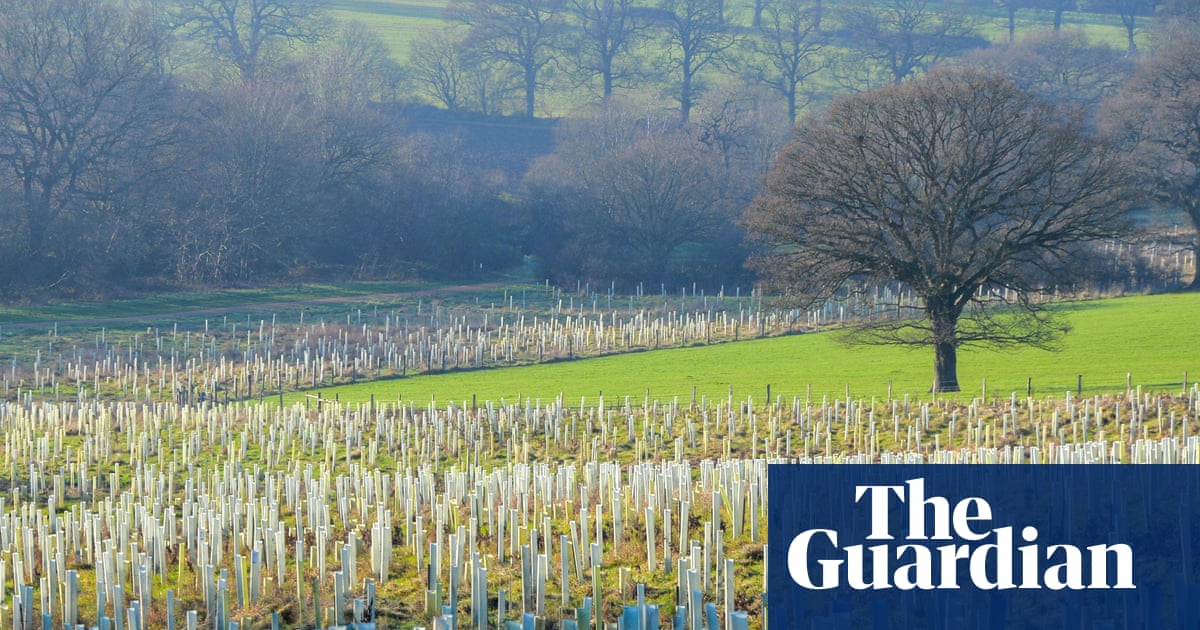
The United Kingdom government has committed to a significant expansion of its natural infrastructure, announcing plans to plant half a million trees across England over the next three years. Environment Secretary Angela Eagle is scheduled to unveil this pledge during her address at the Labour Party conference in Liverpool. The initiative represents a strategic pivot toward using natural landscapes as a primary defense mechanism against the increasing frequency and severity of extreme weather events.
The financial backing for this effort totals £79 million, with the majority of funds directed specifically toward arboriculture. Approximately £53 million is designated for the tree-planting program itself, while an additional £26 million will support local nature recovery strategies. These strategies aim to restore wetlands, river edges, and meadows, which play a critical role in natural flood management and drought mitigation. The funding structure is designed to empower mayors, local authorities, charities, and grassroots organizations with both the resources and the responsibility to lead restoration efforts in their respective communities.
Eagle’s announcement comes in the wake of a severe summer drought that highlighted the urgent need for enhanced environmental protections. She intends to argue that areas where nature has been permitted to thrive demonstrated greater resilience, with soil retaining more moisture and experiencing less intense dry spells. Furthermore, urban environments with established tree cover recorded lower temperatures during heatwaves. When precipitation did occur, these same trees helped mitigate flood risks by intercepting significant volumes of water, thereby reducing runoff.
The scientific basis for the initiative underscores the multifaceted benefits of urban forestry. Mature trees can lower air temperatures in cities by up to four degrees Celsius, making heatwaves more manageable for residents. A single large tree is capable of intercepting approximately 15,000 liters of water annually, which directly reduces the risk of flooding during heavy storms. Beyond temperature and water management, trees contribute to improved public health by halving noise pollution levels and absorbing harmful air pollutants, while simultaneously providing essential habitats for urban wildlife.
This policy shift aligns with a broader governmental emphasis on localism, echoing sentiments previously championed by Mayor Andy Burnham. The administration is positioning decentralized decision-making as the most effective approach to improving nature and strengthening national resilience against climate change impacts. By placing authority in the hands of those who understand their communities best, the government aims to create more targeted and effective environmental interventions. This strategy seeks to balance local community needs with the overarching requirement to adapt to a changing global climate.
Reaction from environmental organizations has been largely positive, with many viewing the announcement as a welcome change in direction. Craig Bennett, chief executive of The Wildlife Trusts, described the plans as encouraging and indicative of a government that now recognizes nature as crucial to the country’s future. He contrasted this approach with previous administrations that often framed nature conservation as an obstacle to development. Bennett emphasized that local authorities have long sought to assist nature but lacked the necessary power, funding, and political support.
However, advocates also point out the scale of the challenge ahead. England has lost more than 90% of its wetlands over the past century, a statistic that underscores the magnitude of restoration required. Bennett called for efforts to make Britain 'wet again,' suggesting the potential for tens of thousands of new wetlands. Richard Benwell of Wildlife and Countryside Link noted that investing in nature infrastructure makes both economic and ecological sense, particularly when guided by locally agreed restoration plans. He urged the government to follow up with commitments to rapidly scale up investment as part of a long-term strategy.
The announcement also arrives amid ongoing scrutiny of how the government manages agricultural subsidies linked to environmental goals. The Sustainable Farming Incentive, which opened recently for applications, saw its £253 million fund exhausted within six hours, leaving many farmers disappointed. This rapid depletion highlights the high demand for financial support among those willing to undertake environmental improvements on their land. Critics argue that farmers need robust support to play their role in nature protection and climate resilience, framing these budgets as matters of national security rather than mere agricultural spending.
Sources behind this briefing
Go to the original reporting
- The Guardian World↗Half a million trees to be planted in England in three years, says government