The short version
- David Shoebridge has been elected the new leader of the Australian Greens following a rare contested vote within the party room.
- Shoebridge advocates for a harder line against the Labor government and One Nation, aiming to capture disaffected voters amid economic anxiety.
- The leadership change highlights internal tensions regarding grassroots influence and the party's legislative strategy with the ruling coalition.
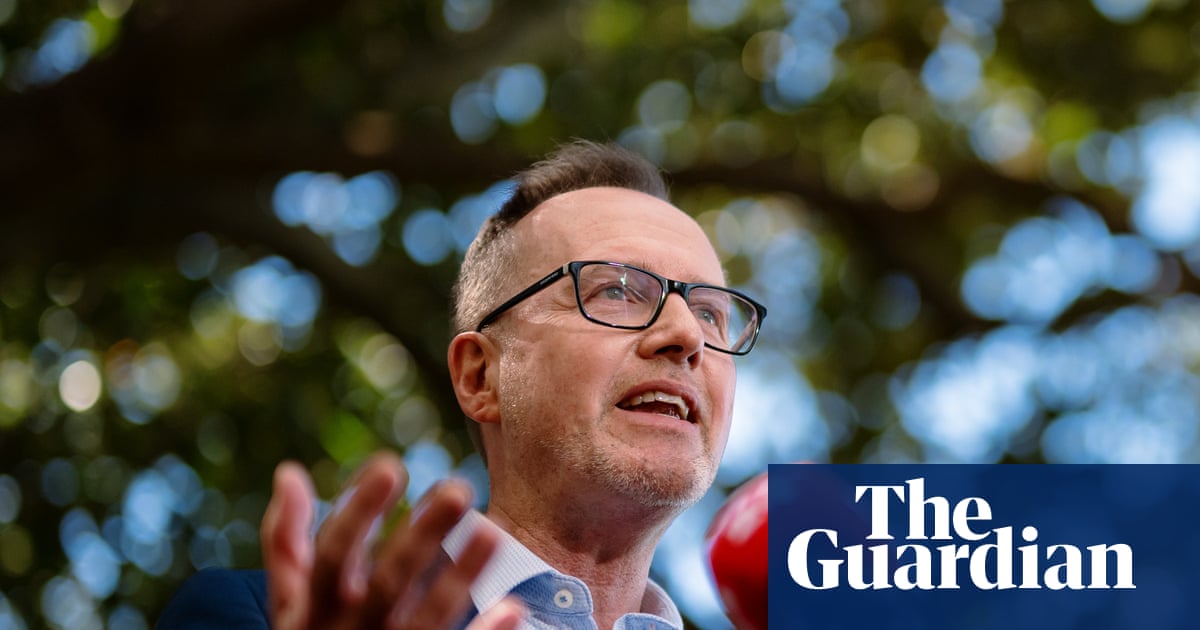
David Shoebridge has assumed leadership of the Australian Greens, marking a significant shift in the party’s direction as it seeks to capitalize on widespread voter dissatisfaction. In his initial remarks following the election, Shoebridge emphasized the urgent need for the party to engage with millions of Australians who feel alienated by current political dynamics. He framed the moment as extraordinary, suggesting that traditional political approaches are failing to address the pressing concerns of the public. This stance represents a departure from previous strategies that focused more on incremental reform within the existing framework.
The Greens have maintained a relatively stable polling position between ten and twelve percent throughout a turbulent year for Australian politics. This stability has persisted despite conditions that many analysts viewed as favorable for growth, including a cost-of-living crisis driven by inflation and rising interest rates. Additionally, the political landscape has been reshaped by the resurgence of One Nation, led by Pauline Hanson, which has drawn support from both major parties. The Greens have also faced scrutiny regarding their stance on big tech and data centers, issues that have increasingly alarmed the public.
Shoebridge, a former corporate lawyer and state upper house member, indicated that his leadership would adopt a more confrontational posture. He explicitly stated that the Greens are not present to reform the Labor Party but rather to replace it entirely. This rhetoric suggests a willingness to challenge the government more aggressively on key policy areas. His approach aims to fill a perceived vacuum left by Labor’s centrist governance, which has faced growing criticism despite holding a substantial majority in parliament.
Internal dynamics within the Greens played a crucial role in this leadership transition. Unlike previous selections determined by consensus, Shoebridge won a contested vote against Mehreen Faruqi and Sarah Hanson-Young. He secured six out of eleven votes in the party room, a result that has sparked debate about the democratic nature of the selection process. Faruqi expressed disappointment with the outcome, noting that many members felt frustrated that the decision was made by politicians rather than through broader grassroots involvement. This tension highlights ongoing concerns about representation and accountability within the party structure.
The optics of the election result have also drawn attention, particularly regarding gender and experience. Shoebridge, a white man, defeated two women with more extensive federal political experience. This outcome is likely to be scrutinized by various factions within the Greens and external observers. The party has faced pressure from activist ranks to embrace younger, digitally savvy campaigners who mirror the energy of socialist movements in the United States and United Kingdom. Shoebridge’s victory may signal a resistance to this push for generational change, at least in the immediate term.
Strategically, Shoebridge faces the challenge of negotiating with the Labor government on critical legislation. Previous leaders have taken varying approaches to these negotiations. Adam Bandt campaigned on pushing Labor to adopt more progressive policies, but his hardline stance on housing legislation was cited by government sources as a factor in his defeat in 2025. In contrast, Larissa Waters adopted a more conciliatory and pragmatic approach, which helped maintain party cohesion after significant electoral losses. Shoebridge’s pledge to replace Labor suggests he may revert to a tougher negotiating position, potentially straining relations with the government.
The Greens are also navigating a period of personnel renewal. Veteran senator Peter Whish-Wilson has already left parliament, and South Australian senator Barbara Pocock will not contest the next election. These departures create opportunities for new voices but also raise questions about continuity and expertise. The party must balance the desire for fresh perspectives with the need for experienced lawmakers who can effectively navigate complex legislative processes. Shoebridge’s leadership will be tested by how he manages these transitions while pursuing his more combative agenda.
Public perception of Shoebridge varies significantly across political lines. He is known for his relentless questioning style, which has earned him respect among some constituents but criticism from others, particularly within Labor circles. His ability to connect with disaffected voters will depend on whether he can translate his combative rhetoric into tangible policy outcomes that address their concerns. The Greens must demonstrate that they offer a viable alternative to both the centrist Labor government and the populist appeal of One Nation, without succumbing to the politics of hate and division that Shoebridge has criticized.
As the Greens move forward under Shoebridge’s leadership, the party will be closely watched for signs of how it intends to engage with broader social movements. The success of socialist candidates in other countries has inspired some within the Greens, but emulating those successes requires more than just rhetorical shifts. It demands a coherent strategy that resonates with voters who are increasingly skeptical of traditional political institutions. Shoebridge’s ability to unify the party and present a compelling vision will be critical in determining whether the Greens can expand their influence beyond their current polling plateau.
The coming months will reveal whether Shoebridge’s approach can galvanize support among disaffected Australians or if it further isolates the Greens from potential allies. The interplay between internal party dynamics, external political pressures, and public sentiment will shape the trajectory of the Greens in the lead-up to the next election. Stakeholders across the political spectrum are likely to adjust their strategies based on how effectively Shoebridge can navigate these challenges while maintaining the party’s core values and expanding its electoral base.
Sources behind this briefing
Go to the original reporting
- The Guardian World↗David Shoebridge wants the Greens to ‘seize this moment’. Is his more combative style the answer?