The short version
- Three South Korean soldiers were injured in blasts near the demilitarized zone, with Seoul attributing the damage to North Korean landmines placed south of the border.
- North Korea denies responsibility and labels the event a self-staged farce, warning of retaliation if South Korean forces engage directly.
- The incident complicates President Lee Jae Myung’s efforts to revive diplomatic channels and has reignited domestic political debates over propaganda broadcasts.
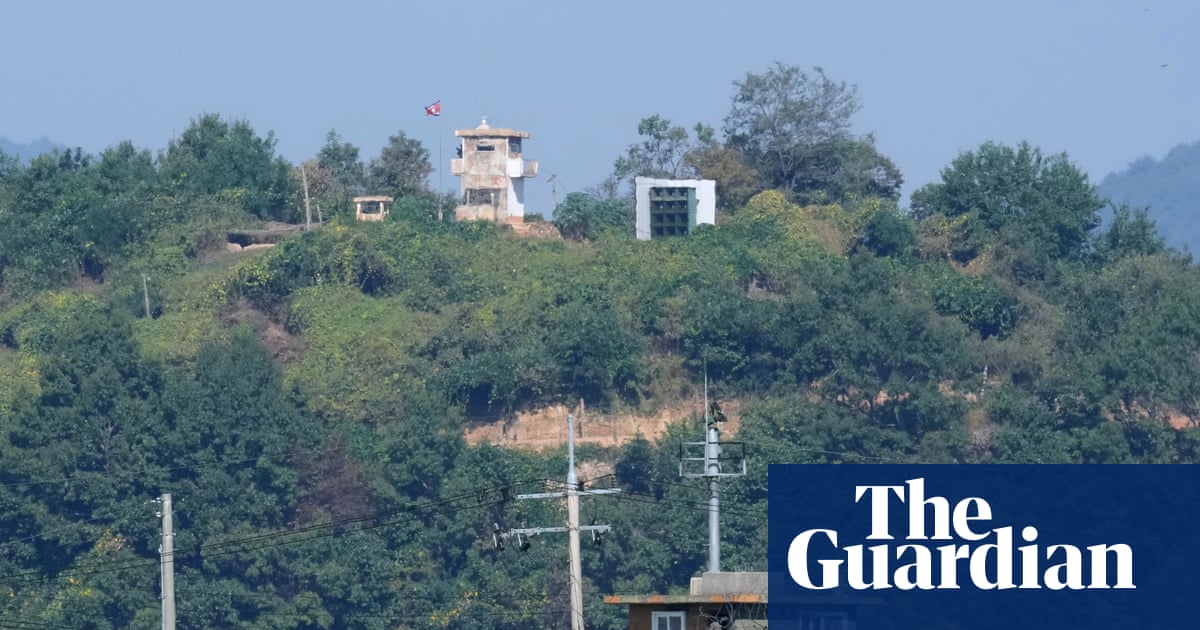
A landmine explosion near the inter-Korean border has injured three South Korean soldiers, triggering a sharp diplomatic row between Seoul and Pyongyang. The blast occurred on September 21 during a search operation conducted by troops south of the military demarcation line. Kang Hyun-woo, director of operations at South Korea’s joint chiefs of staff, formally demanded an apology from North Korea, asserting that the injuries resulted from mines laid by Pyongyang on the southern side of the border. He also called for an immediate cessation of mine-laying and border fortification activities, characterizing these actions as violations of the 1953 armistice and inter-Korean agreements.
The United Nations Command, which oversees the armistice alongside South Korean military officials, confirmed that a joint investigation identified a live North Korean anti-personnel mine on the southern side of the border. The command stated that an armistice violation had taken place and indicated that the issue is being addressed through established diplomatic mechanisms. The explosions happened approximately ten meters south of the demilitarized zone on the western front, in an area where South Korean forces suspected recent North Korean mining activity. Two blasts detonated about a minute apart, causing serious injuries to a battalion commander and an engineer, while a third officer sustained minor wounds.
North Korea has firmly rejected any involvement in the incident. Kim Yo-jong, sister of leader Kim Jong-un, issued a statement through state media describing the event as an obvious self-staged farce. She asserted that North Korean soldiers have never crossed the border and warned that any direct fire from South Korean troops would be met with immediate and merciless retaliation. This denial aligns with Pyongyang’s broader stance since severing ties with Seoul in 2024, when it declared South Korea a hostile state and began reinforcing its border defenses.
The incident echoes a similar event in 2015, when a mine blast in the demilitarized zone seriously injured two South Korean soldiers. That episode led Seoul to resume propaganda broadcasts over loudspeakers, prompting North Korea to respond with artillery fire before expressing regret during subsequent high-level talks. Experts note that while the current investigation provides technical evidence, it may not resolve the political dispute. Chris Green, a senior consultant at the International Crisis Group, observed that North Korea maintains guaranteed plausible deniability in such incidents, making definitive accountability difficult to enforce politically.
The blast presents significant challenges for South Korean President Lee Jae Myung, who has been actively seeking to revive diplomatic engagement with Pyongyang. Just last week, Lee addressed the United Nations General Assembly, positioning Seoul as a pacemaker for peace and urging Washington to consider easing sanctions in exchange for a freeze on North Korea’s weapons programs. The timing of the incident has drawn criticism from opposition politicians, who questioned whether the investigation was delayed to avoid overshadowing the president’s UN speech. The presidential office has denied these allegations, maintaining that the process followed standard procedures.
Domestic political tensions have also intensified in the wake of the explosion. Members of the conservative People Power Party have called for the reinstatement of propaganda loudspeakers, which were dismantled under President Lee’s administration last year as part of efforts to reduce hostility. The party argues that restoring these measures is necessary given North Korea’s aggressive posture. Meanwhile, the lack of working communication channels between the two Koreas raises concerns about accidental escalation. Green noted that the risk of unintended conflict on the peninsula is higher now than it was during the 2015 incident, with fewer steps separating routine tensions from open confrontation.
This mine blast adds to a series of diplomatic difficulties facing President Lee’s administration. In addition to the border incident, Seoul recently demanded an apology from Ukraine after its president disclosed the transfer of two North Korean prisoners of war to South Korea. Seoul had agreed to keep the transfer secret, citing safety and security considerations for the men involved. Critics have suggested that the secrecy was intended to avoid upsetting Pyongyang, further complicating Lee’s balancing act between maintaining regional stability and addressing domestic political pressures. As diplomatic channels remain closed, the incident underscores the fragility of peace efforts on the Korean Peninsula.
Sources behind this briefing
Go to the original reporting
- The Guardian World↗South Korea calls for apology from North Korea after mine injures three soldiers