The short version
- New executive orders seek to expand exclusions from automatic citizenship and ban birth tourism practices.
- The Supreme Court recently struck down a similar attempt by the administration just five weeks prior.
- Estimates of birth tourism are significantly lower than the figures cited by the president in his justification.
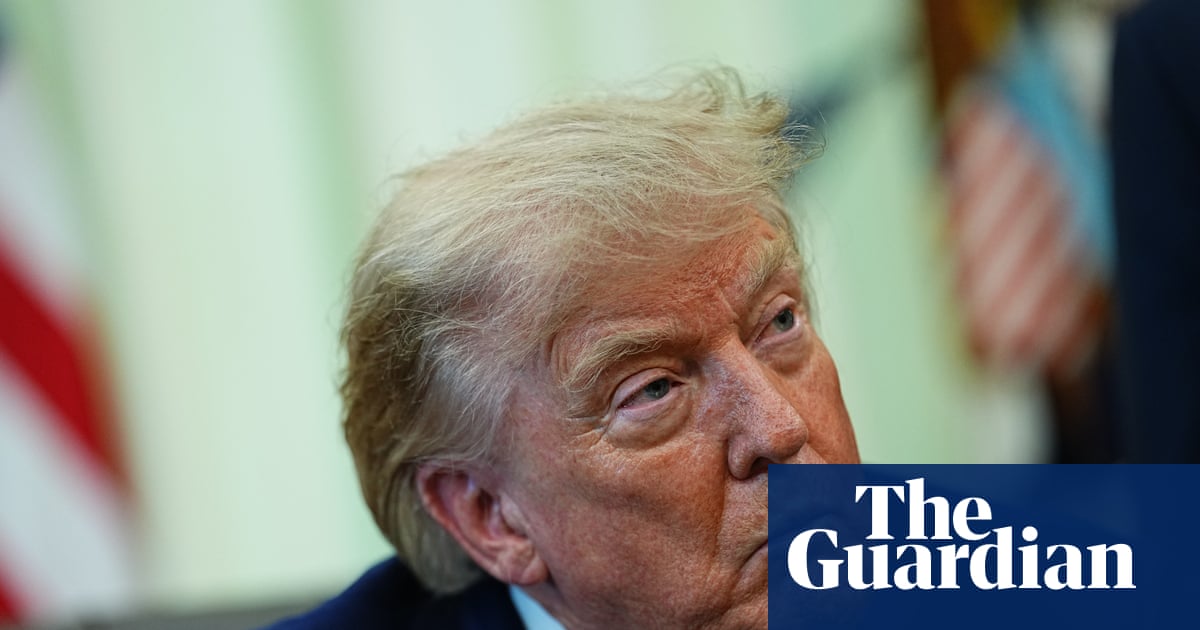
Donald Trump has issued two new executive orders aimed at dismantling birthright citizenship, marking the latest escalation in a decade-long effort to reinterpret the Fourteenth Amendment. The directives attempt to broaden the categories of children ineligible for automatic U.S. citizenship and explicitly ban so-called birth tourism. This move comes only five weeks after the Supreme Court reaffirmed the constitutional guarantee of birthright citizenship and struck down a previous executive order from this administration that sought similar restrictions.
The president justified the new measures by claiming that hundreds of thousands of people engage in birth tourism, a practice where individuals travel to the United States specifically to give birth so their children can claim citizenship. However, independent data suggests these figures are vastly overstated. The nonpartisan Migration Policy Institute notes that while some census-based estimates place annual births from this practice between 22,000 and 26,000, official government records show only 9,600 births to mothers with foreign addresses in 2024.
This initiative represents a persistent theme in Trump’s political career, dating back to his first presidential campaign. In November 2015, during a primary event in Orlando, Florida, he characterized the children of undocumented immigrants as anchor babies and promised to end the practice if elected. He argued at the time that a constitutional amendment was unnecessary, suggesting instead that a simple act of Congress or even an executive order could suffice to revoke these rights.
Legal challenges to this approach have been consistent. When Trump first proposed using an executive order to strip citizenship from children born to non-citizens in 2018, the idea was widely regarded as a minority view among legal scholars. The concept gained traction through the advocacy of John Eastman, a former law clerk to Justice Clarence Thomas. Eastman has long argued that the phrase subject to the jurisdiction thereof in the Fourteenth Amendment excludes children of non-citizens.
Eastman’s influence extended beyond theoretical legal arguments into direct political attacks. In 2020, he published an op-ed questioning Vice President Kamala Harris’s eligibility for office, claiming she was not a natural-born citizen because her parents were not U.S. citizens at the time of her birth in California. Trump publicly endorsed these claims, praising Eastman as brilliant and calling the citizenship question very serious.
The political motivations behind these legal theories have been evident throughout Trump’s tenure. His early rise to prominence included baseless suggestions that Barack Obama was not born in the United States. Similarly, his refusal to confirm Harris’s eligibility for the vice presidency mirrored the same skepticism he has applied to birthright citizenship generally. These efforts appear designed to cast doubt on the citizenship status of political opponents and specific demographic groups.
Eastman’s legal standing has since collapsed. The California Supreme Court disbarred him in April, citing clear and convincing evidence that he advanced false claims about the 2020 presidential election to mislead courts and the public. This included his role in devising a fake electors scheme intended to overturn the election results. Despite his professional censure, the legal theories he championed continue to inform the current administration’s immigration strategy.
The new executive orders face immediate skepticism given the recent judicial precedent. The Supreme Court’s decision in June explicitly rejected the administration’s prior attempt to unilaterally redefine citizenship criteria. Legal experts anticipate that these new directives will likely encounter similar constitutional hurdles, as the Fourteenth Amendment’s guarantee of citizenship to all persons born in the United States remains a cornerstone of American law.
Critics argue that the administration’s focus on birthright citizenship is driven more by political optics than legal necessity. Thirty-two other nations grant citizenship based on place of birth, contradicting Trump’s earlier claim that the United States is unique in this regard. The persistence of this policy goal, despite repeated legal defeats and factual inaccuracies regarding its scope, underscores a deep-seated commitment to altering the fundamental definition of American citizenship.
As the administration moves forward with these orders, the practical impact remains uncertain. Federal agencies may face confusion over how to implement directives that conflict with established constitutional interpretations. Meanwhile, advocacy groups and legal organizations are likely to prepare immediate challenges in federal court, testing whether the new language offers any viable path around the Supreme Court’s recent ruling.
Sources behind this briefing
Go to the original reporting
- The Guardian World↗Trump’s birthright citizenship attack the latest effort in obsessive campaign