The short version
- Marie-Celestin Karondwa, a high-ranking official in the ruling UDPS party, was beaten to death after promoting Ebola prevention measures on local radio.
- The current outbreak, driven by the rare Bundibugyo virus, has infected over 8,000 people and killed nearly 4,000, making it the deadliest in the nation's history.
- Violence against health infrastructure and workers continues to escalate, fueled by rumors, conflict, and a lack of approved treatments or vaccines for this specific viral strain.
A senior political figure in the Democratic Republic of the Congo was killed on Sunday following his participation in a radio broadcast aimed at raising awareness about the ongoing Ebola outbreak. Marie-Celestin Karondwa, who served as the acting president of the Union for Democracy and Social Progress (UDPS) party’s federal executive committee in Butembo, was attacked after advocating for disease prevention measures. According to statements from the UDPS federation in the city, assailants beat Karondwa, looted his possessions, and set his residence ablaze before he succumbed to his injuries.
The circumstances surrounding the attack remain largely unclear. Investigators have not yet identified the perpetrators, determined the number of individuals involved, or established a definitive motive for the violence. However, party representatives described Karondwa as an innocent casualty who was targeted for defending the organization’s stance on the reality of the Ebola threat and its potential impact on local communities. His death highlights the dangerous environment facing those who attempt to communicate public health information in regions affected by the epidemic.
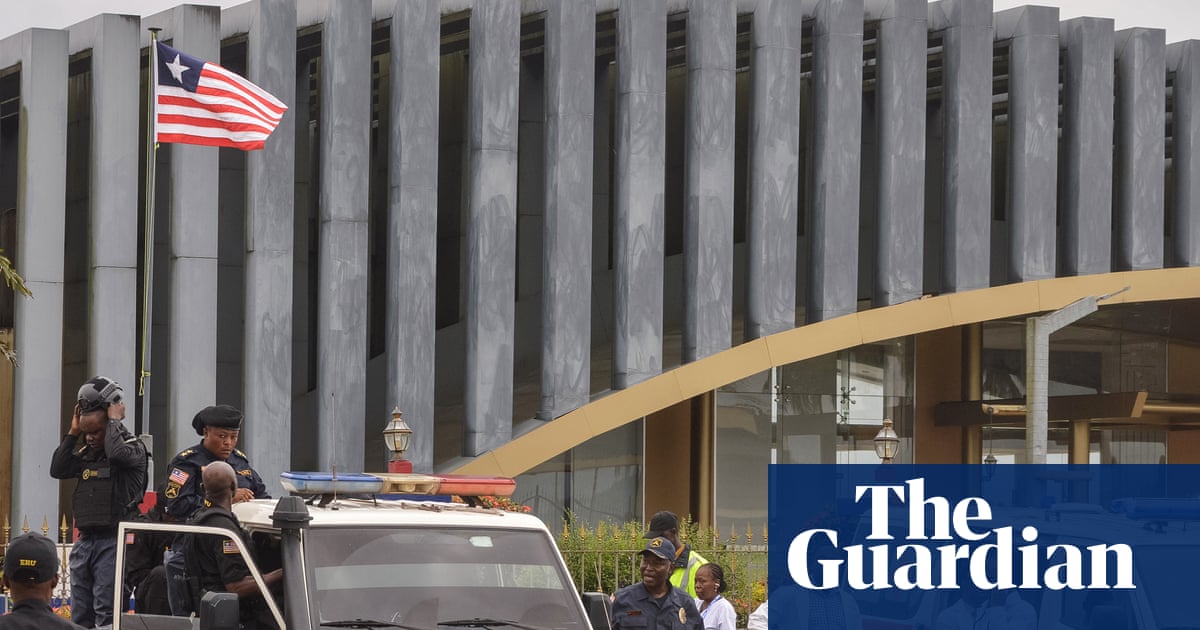
This incident is part of a broader pattern of hostility directed at healthcare infrastructure and personnel across the country. Experts indicate that rumors, misinformation, and deep-seated distrust of medical responders are driving these violent episodes. Recent events have included riots, property destruction, and the disruption of essential health services. Just one day before Karondwa’s death, armed individuals attacked a hand-washing checkpoint in the nearby Beni Territory, resulting in at least one fatality and several injuries, according to reports from local civil society organizations.
The current Ebola crisis is unprecedented in scale for the Democratic Republic of the Congo. The outbreak, which was first announced on May 15, has spread across seven provinces. Official data from the DRC’s health ministry indicates that more than 8,000 people have been infected and nearly 4,000 have died. This surge represents the largest and most lethal Ebola epidemic in the nation’s history, surpassing previous outbreaks within its borders.
Globally, this event ranks as the second-deadliest Ebola outbreak, trailing only the 2014-2016 crisis in West Africa that infected more than 28,600 individuals and resulted in over 11,000 deaths. However, recent data from the Africa Centres for Disease Control and Prevention suggests that the current DRC outbreak is accelerating at a rate that has already outpaced the growth of the West African epidemic. The World Health Organization issued warnings last month indicating that the situation is on track to exceed the total death toll of the earlier global crisis.
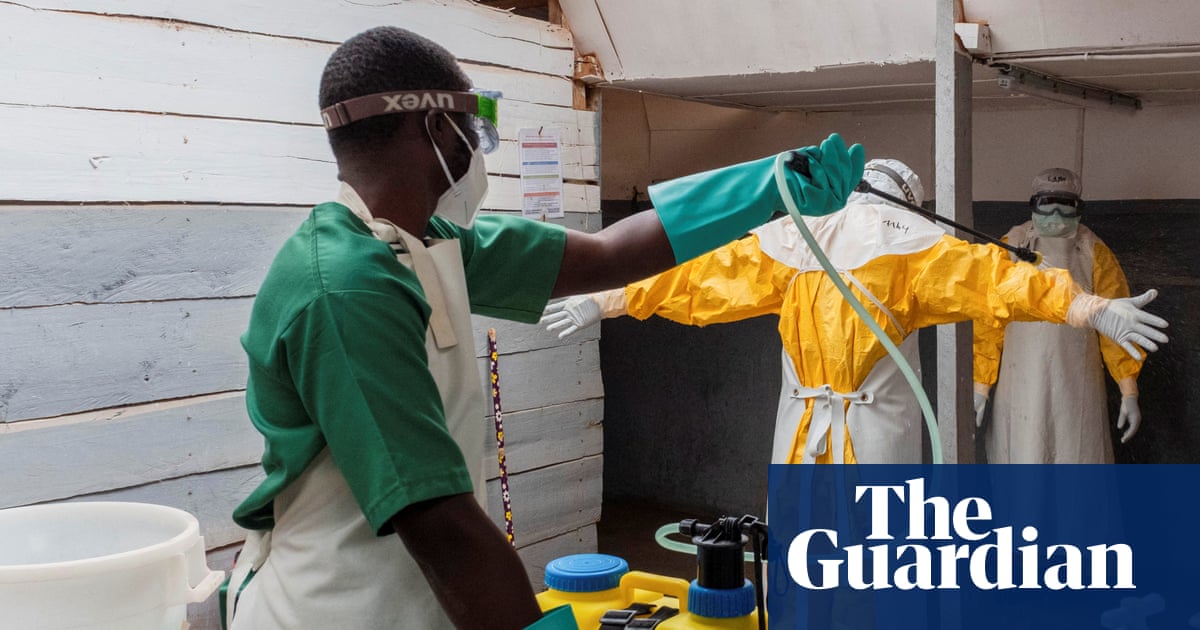
Compounding the severity of the health emergency is the specific strain of the virus involved. The current outbreak is caused by the Bundibugyo virus, a rare variant for which there are currently no approved treatments or vaccines available. Ebola is a highly contagious and often fatal viral disease that affects both humans and non-human primates. Transmission occurs through contact with body fluids or contaminated materials, leading to severe organ damage, blood vessel impairment, and potentially life-threatening internal and external bleeding.
The rapid spread of the disease has been exacerbated by multiple structural and social factors. Ongoing armed conflict in various regions of the DRC has hindered access for health workers and displaced vulnerable populations. Additionally, significant cuts to international aid have strained resources needed for containment efforts. The combination of these challenges with the targeted violence against health facilities creates a formidable barrier to controlling the epidemic.
As the death toll rises and the geographic scope of the outbreak expands, the safety of public health officials remains a critical concern. The killing of Karondwa serves as a stark reminder of the risks faced by those working on the front lines of the response. Without addressing the underlying issues of misinformation and insecurity, efforts to contain the Bundibugyo virus may continue to face severe obstacles, potentially leading to further loss of life and prolonged disruption of essential services in the affected provinces.
Sources behind this briefing
Go to the original reporting
- The Guardian World↗DRC politician beaten to death after radio appearance about Ebola outbreak