The short version
- Home Secretary Shabana Mahmood indicated the government may modify plans to extend the residency timeline for foreign care workers from five to fifteen years.
- The potential policy shift follows intense criticism from senior Labour figures and trade unions who argue the retrospective changes unfairly penalize essential workers.
- Mahmood simultaneously announced new legal pathways for refugee resettlement, including community and university sponsorship programs starting in October.
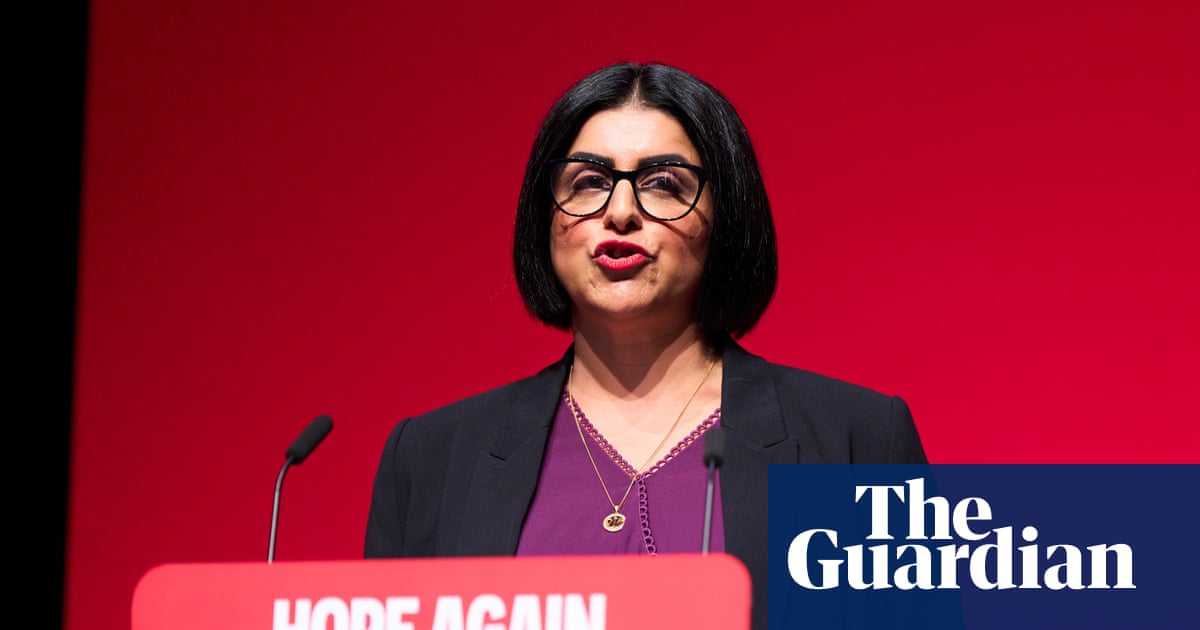
Home Secretary Shabana Mahmood has signaled a potential recalibration of the government’s strict immigration reforms targeting foreign care workers, acknowledging that current proposals may lack fairness. Speaking at the Labour Party conference in Liverpool, Mahmood suggested that the administration is considering softening plans to extend the period required for indefinite leave to remain from five years to fifteen years. This adjustment would apply retrospectively to migrants who arrived on health and care visas since 2021, a provision that has drawn sharp criticism from within her own party and from labor organizations.
The home secretary’s remarks come amid mounting pressure from cabinet colleagues and union leaders who argue that penalizing overseas workers undermines the stability of the social care sector. Angela Rayner, the housing, communities, and local government secretary, publicly criticized the proposed changes over the weekend, noting that they would negatively impact individuals who have relocated to the UK specifically to support elderly citizens. Rayner emphasized that these workers have uprooted their lives to fill critical gaps in public services, making the threat of prolonged visa insecurity particularly damaging.
Andrea Egan, general secretary of Unison, echoed these concerns, describing the current visa restrictions as harsh rules that relegate migrant workers to second-class status. She argued that extending the timeline for permanent residence breaks previous promises and creates an environment ripe for exploitation. Egan characterized the retrospective nature of the reforms as moving the goalposts unfairly, particularly given the essential role these workers play in supporting vulnerable populations across the country.
In her address, Mahmood sought to frame the debate around the principle of fairness, balancing the rights of those who entered the UK legally against the interests of British citizens. She referenced her own family’s immigration history from Kashmir in the 1970s, noting that her parents were welcomed because they sought a fair opportunity to contribute to society. Mahmood stated that the government aims to restore control and fairness to both asylum and legal migration systems, ensuring that settled status is earned through consistent commitment to the country.
Despite the rhetorical emphasis on fairness, sources close to the home secretary indicated that no final decision has been made regarding the indefinite leave to remain proposals. The speech was described as outlining the underlying principles guiding future policy decisions rather than announcing immediate legislative changes. This ambiguity leaves uncertainty about whether the fifteen-year residency requirement will be fully implemented, partially modified, or abandoned entirely in response to internal and external pressure.
Alongside the debate over care worker visas, Mahmood announced new initiatives aimed at expanding safe and legal routes for refugees. Starting next month, the government will begin accepting applications from charities and nonprofit organizations to sponsor refugees through community and student sponsorship schemes. These programs are designed to allow local communities and universities to host refugees directly, with the first arrivals expected in the autumn of next year.
The home secretary also confirmed the reopening of the UK resettlement route in partnership with the United Nations. This initiative aims to provide vulnerable refugees from around the world with the opportunity to rebuild their lives in Britain. Mahmood highlighted that approximately one-quarter of those resettled will be Afghan women and girls fleeing persecution under the Taliban, as well as Palestinians displaced by the conflict in Gaza. The first arrivals under this scheme are expected to begin arriving later this year.
While immigration experts and refugee charities have welcomed the expansion of legal sponsorship routes, they caution that the scale of these programs may be insufficient to deter asylum seekers from crossing the English Channel in small boats. Critics argue that without a significant increase in the number of eligible spots, the new schemes will not substantially reduce irregular migration. The government faces the ongoing challenge of balancing humanitarian commitments with political pressures to curb net migration figures.
A protest organized by a leading trade union is scheduled to take place outside the Labour conference on Monday, calling for an end to the scapegoating of migrant workers for failures in public service investment. The demonstration underscores the growing tension between immigration control measures and the practical needs of sectors reliant on foreign labor. As the government navigates these competing priorities, the final shape of the care worker visa reforms remains a key point of contention.
The broader implications of these policy shifts extend beyond immediate immigration statistics. They touch on fundamental questions about how the UK values its workforce and manages its humanitarian obligations. With cabinet divisions evident and public opinion divided, Mahmood’s administration must carefully weigh the political costs of strict enforcement against the social and economic benefits of retaining essential care workers. The coming weeks will likely reveal whether the government prioritizes symbolic control or practical stability in its migration strategy.
Sources behind this briefing
Go to the original reporting
- The Guardian World↗Shabana Mahmood hints she could water down controversial care worker visa plans