The short version
- Donald Trump stated that Google CEO Sundar Pichai refused to rename the Atlantic Ocean on Google Maps.
- The request follows previous executive orders renaming the Gulf of Mexico and Lake Ontario, which Google implemented for US users.
- Trump indicated he would likely drop the proposal after Pichai argued that oceans span multiple countries.
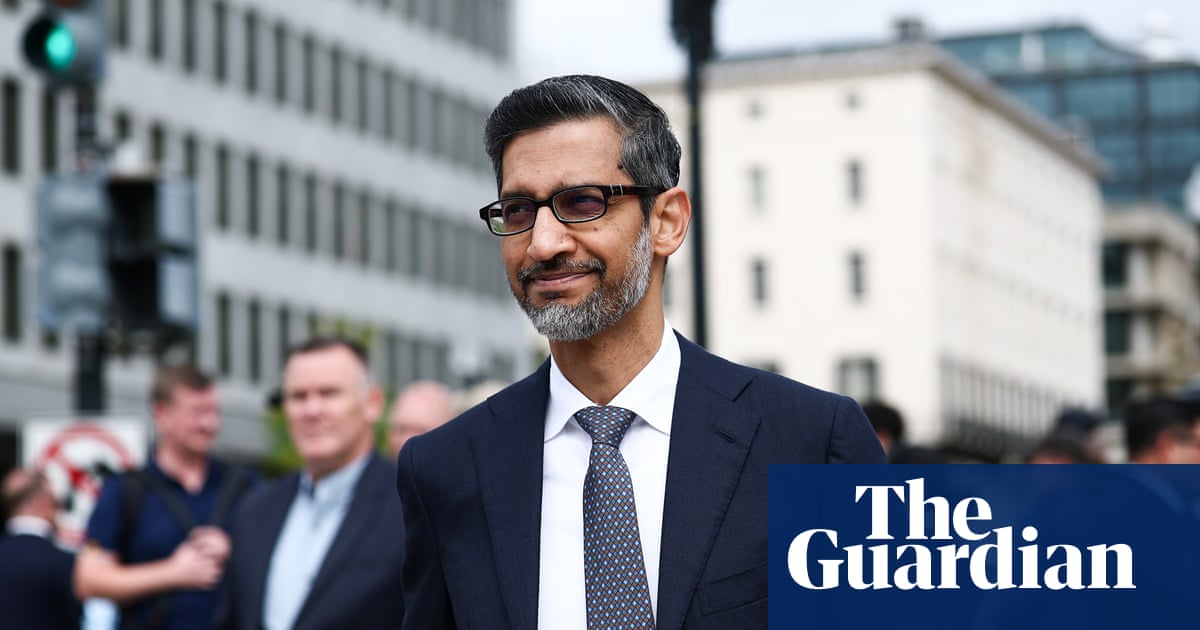
Donald Trump announced on Wednesday that he had asked Google to rename the Atlantic Ocean, a request the tech giant’s chief executive allegedly rejected. Speaking at a rally in South Carolina, the president described a phone conversation with Sundar Pichai in which he proposed changing the name of the body of water to either “Trump” or “America.” According to Trump, Pichai declined the offer, stating that oceans cover many countries and should not be renamed by one entity.
The incident highlights a continuing tension between the White House’s domestic branding initiatives and the operational constraints of global technology platforms. Trump noted that he only favors two oceans for potential renaming: the Atlantic and the Pacific. He claimed to have told Pichai, “I’m thinking of the Atlantic Ocean,” but received a firm refusal. The president quoted Pichai as saying, “No, no, no. This time I’m not doing it... Oceans are different, sir. They cover... a lot of countries.”
This exchange contrasts with previous interactions between Trump and Google regarding geographic nomenclature. Earlier in his term, Trump issued executive orders renaming the Gulf of Mexico to the “Gulf of America” and Lake Ontario to “Lake America,” the latter amid a trade dispute with Canada. Google complied with these demands for users within the United States, displaying the new names while retaining the original terms in parentheses or showing them to users in affected foreign countries.
The Guardian reported that Google has previously faced public criticism from Mexico and Canada over these changes. In those instances, the platform adjusted its maps to reflect the US government’s preferred terminology for domestic audiences while maintaining international standards elsewhere. However, the scope of renaming an ocean appears to have crossed a threshold for the company, according to Trump’s account.
Trump suggested that he would likely abandon the Atlantic Ocean proposal following Pichai’s response. “So I’ll probably pass. Should I pass it?” he asked the crowd, concluding, “I think let’s keep it the Atlantic Ocean.” The president also referenced his earlier suggestion to rename the Strait of Hormuz after himself during the ongoing conflict with Iran, a proposal he floated on Truth Social last month.
The episode underscores the limits of executive influence over private sector digital infrastructure. While Trump has successfully leveraged federal authority to mandate name changes in official US government documents and agencies, Google’s compliance has been selective and geographically limited. The company’s refusal to alter oceanic nomenclature suggests a distinction between regional bodies of water and global geographic features.
Google has not yet issued an independent comment on the specific conversation described by Trump. The Guardian noted that it had approached the company for clarification. Meanwhile, the incident has drawn attention to the broader debate over who controls digital geography and how national interests intersect with global platforms.
The previous renaming of Lake Ontario was tied directly to US-Canada trade tensions, with Trump signing an executive order requiring federal agencies to use the new moniker. The Gulf of Mexico rename similarly drew diplomatic ire. The Atlantic Ocean proposal, however, lacks a specific bilateral conflict context, making Pichai’s cited reason—international complexity—more prominent in the narrative.
As of Wednesday evening, no further action had been taken regarding the Atlantic Ocean name. Trump’s decision to “pass” on the idea appears final for now, though his history of revisiting branding initiatives suggests the topic could resurface. The incident remains a focal point for discussions about the intersection of political power and digital cartography.
Observers note that while Google has accommodated US-specific requests in the past, the global nature of oceans presents a different challenge. The company’s alleged stance reflects a pragmatic approach to avoiding international diplomatic incidents on its platform. The outcome serves as a rare public acknowledgment by a tech CEO, via Trump’s retelling, of the boundaries of corporate compliance with political demands.
Sources behind this briefing
Go to the original reporting
- The Guardian World↗Trump says he asked Google CEO to rename Atlantic Ocean on Maps
- Central Oregon Daily↗Google Maps said no to Trump renaming the Atlantic Ocean
- Euronews.com↗Video. Trump suggests renaming Atlantic Ocean the 'American Ocean'
- Engadget↗Sundar Pichai (Allegedly) Draws The Line At Oceans