The short version
- Judge Araceli Martínez-Olguín ordered the halt of noncitizen voting investigations in nine states due to flawed data and agent intimidation tactics.
- The ruling cites a lack of federal citizenship databases and excessive time pressures on agents as primary causes for error in the government's inquiry.
- The Department of Homeland Security maintains its focus on removing individuals who vote illegally, while plaintiffs argue the probe chills voter participation.
A federal judge in California has ordered the Trump administration to suspend its investigation into alleged noncitizen voting across nine states, ruling that the government’s efforts rely on fundamentally flawed data. US District Judge Araceli Martínez-Olguín issued the directive from her Oakland courtroom, determining that the inquiry was causing undue intimidation among groups engaged in voter assistance activities. The order mandates a pause in these investigations until polls close on November 3, coinciding with the midterm elections. To allow the administration an opportunity to appeal the decision, Judge Martínez-Olguín placed the ruling on hold until Friday.
The scope of the injunction covers active investigations in California, Connecticut, Georgia, Missouri, Nevada, New York, Pennsylvania, Washington, and Wisconsin. This legal intervention arrives as the administration has intensified its search for noncitizen voters nationwide in the months leading up to the election. While officials have characterized the issue as widespread, evidence from the administration’s own probes suggests such instances are rare. The lawsuit challenging these efforts was filed by a coalition including the California Nurses Association, National Nurses United, the Voto Latino Foundation, and local governments in San Francisco and Santa Clara counties.
In her written opinion, Judge Martínez-Olguín highlighted significant deficiencies in the data sources used to identify potential noncitizen voters. She described the lists provided to investigators as voluminous and unreliable, noting that they originated from state and local government records as well as publicly available information. A critical factor in her ruling was the absence of a comprehensive federal database containing the citizenship status of US residents. Without such a central repository, the judge argued, there is an inherent high likelihood of error during any review process, regardless of the conditions under which it is conducted.
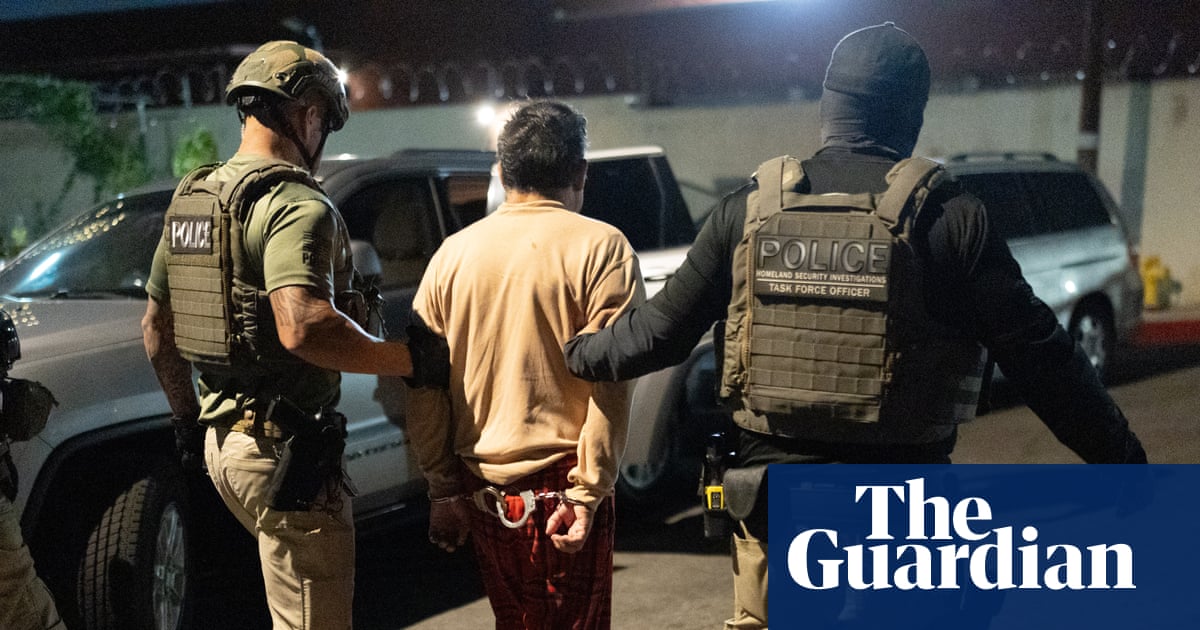
The investigation, referred to as the Unlawful Voter Initiative, has drawn scrutiny for its operational methods. Legal filings reveal that agents were instructed to target naturalized citizens to determine if they had voted prior to obtaining US citizenship. During a specific phase of the inquiry beginning in late August, known as a surge period, investigators faced strict time constraints. Agents were ordered to complete reviews of flagged individuals in no more than twelve minutes per person to assess their legal qualification to vote. Judge Martínez-Olguín noted that these tight deadlines further exacerbated the risk of making erroneous determinations.
The Department of Justice has been actively seeking detailed and unredacted voter roll data from state governments, suing thirty states that refused to comply with these requests. The administration has lost every one of those cases thus far. In response to the refusal of states to share their records directly, the government attempted to obtain similar information through commercial versions of voter roll data. Judge Martínez-Olguín characterized these alternative sources as unreliable, reinforcing her conclusion that the foundation of the investigation was legally and factually unsound.
Plaintiffs in the case argued that the investigation had wrongly identified and investigated US citizens, creating a climate of fear. Judge Martínez-Olguín agreed with this assessment, stating that such fears are well understood as intimidation tactics. She found that these actions had chilled participation, discouraging individuals from attending campaign events and serving as poll monitors during the upcoming election. The ruling aims to mitigate this chilling effect by halting the intrusive inquiries until after the voting process is complete.
Beau Tremitiere, a lawyer representing the unions and voter advocacy groups involved in the lawsuit, welcomed the decision. He stated that the ruling affirmed their long-held position that the Department of Homeland Security built its target lists on bad data without verifying the frequency of errors. Tremitiere criticized the agency for recklessly sending agents to people’s homes weeks before the election, arguing that this approach lacked due diligence and respect for civil liberties.
Following the ruling, the Department of Homeland Security issued an email statement reiterating its commitment to removing individuals who vote illegally and thereby dilute the votes of US citizens. The agency emphasized that it has no plans to question or investigate people it believes to be US citizens. Details regarding the Unlawful Voter Initiative became public last month after Democratic Senate Minority Leader Chuck Schumer and California Senator Alex Padilla released a whistleblower report detailing the program's operations and potential abuses.
The case underscores the ongoing tension between federal enforcement efforts and state sovereignty in election administration. With the midterm elections approaching, the legal battle over voter eligibility verification remains a contentious issue. The temporary halt provides a brief respite for voters and election workers in the affected states, but the underlying dispute over data integrity and investigative methods is likely to continue through the appeals process.
As the administration considers its next steps, the focus will shift to whether higher courts will uphold Judge Martínez-Olguín’s findings. The ruling sets a significant precedent for how federal agencies can utilize commercial data in the absence of official government records. For now, the investigations in the nine named states remain suspended, allowing the election cycle to proceed without the immediate threat of these specific federal inquiries.
Sources behind this briefing
Go to the original reporting
- The Guardian US Politics↗US judge orders Trump administration to halt noncitizen voting investigation