The short version
- Russian forces launched a significant missile attack on Kyiv shortly after Vladimir Putin agreed in principle to resume trilateral negotiations with the United States and Ukraine.
- The strikes killed at least two people and injured dozens, targeting energy infrastructure, residential areas, and historic sites, contradicting recent diplomatic signals from Moscow.
- Ukrainian officials criticize US envoy Steve Witkoff’s praise of Putin as appeasement while highlighting the operational impact of restricted Starshield satellite access on defense capabilities.
Russian military forces executed a large-scale missile assault on Kyiv in the early hours of Thursday, striking just hours after President Vladimir Putin indicated agreement to restart peace negotiations. The attack involved multiple waves of ballistic missiles, including those carrying cluster munitions, which targeted critical infrastructure, residential buildings, and historic landmarks in the Ukrainian capital. This timing has drawn sharp criticism from Kyiv, which views the violence as evidence that Moscow’s diplomatic overtures lack genuine intent to de-escalate the conflict.
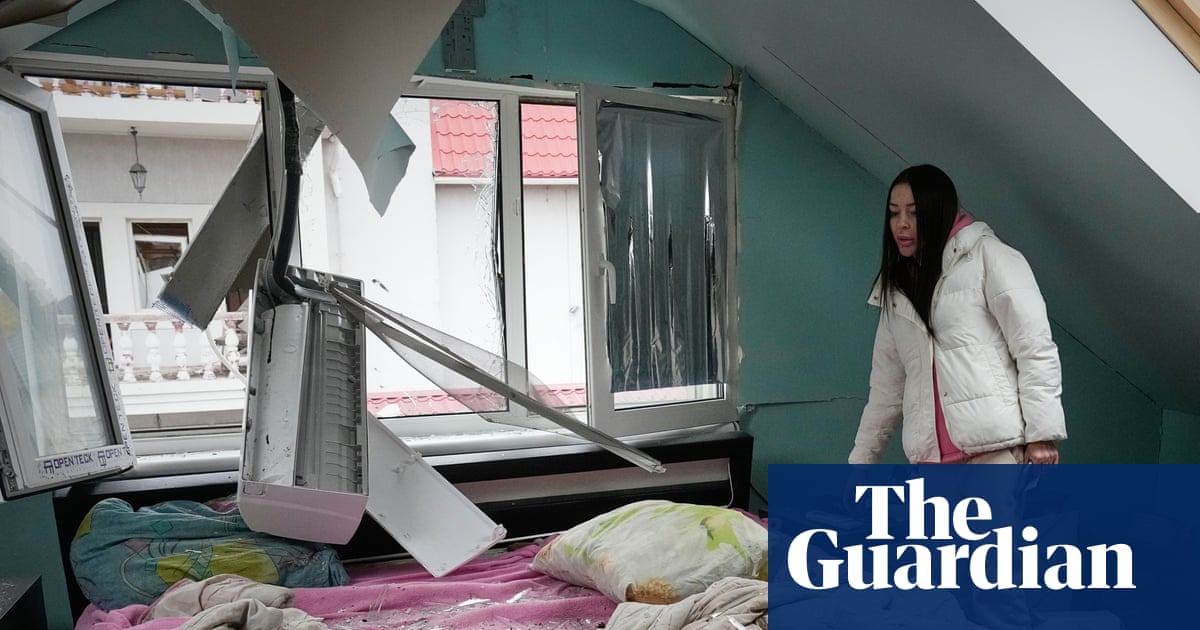
The bombardment resulted in at least two fatalities and twenty-two injuries, including four children. Targets included the southern bridge over the Dnipro River, an ambulance station, a clinic, and several office buildings. One missile struck the Pecherskyi district, damaging historic structures such as a monastery. Ukrainian President Volodymyr Zelenskyy described the attack as deliberate in both weapon selection and target choice, asserting that it was designed to maximize civilian harm and demonstrate Russia’s continued commitment to military pressure rather than diplomatic resolution.
The strikes occurred shortly after US envoy Steve Witkoff met with Putin in St. Petersburg, where he praised the Russian leader as a humanitarian. Witkoff’s comments drew immediate backlash from Ukrainian officials and international partners. Zelenskyy responded sarcastically to the characterization of Putin as a humanitarian, noting the launch of twenty-one missiles against Kyiv. Andrii Sybiha, Ukraine’s foreign minister, stated that flattery and servility would not halt Russian aggression. The UK government also distanced itself from Witkoff’s remarks, emphasizing the death toll caused by the Kremlin’s actions.
Moscow had previously indicated through foreign affairs adviser Yuri Ushakov that Putin agreed in principle to resume three-way talks involving Russia, the US, and Ukraine after November 10, following the US midterm elections. However, Ukrainian officials believe the true objective of these diplomatic gestures is to mask preparations for further destruction of energy infrastructure ahead of winter. Experts suggest that Russia aims to leave millions without power or heat, thereby increasing pressure on the Ukrainian population and government during the colder months.
Compounding Ukraine’s defensive challenges is the recent restriction of Starshield, the military version of Elon Musk’s Starlink satellite system. The slowdown in service has impaired Ukraine’s ability to intercept enemy drones and conduct mid-range battlefield strikes. According to reports, dozens of armed drones fell from the sky when their video feeds lost connection with Starshield. A commander of an air-defense unit protecting Kyiv stated that the restrictions hindered his team’s ability to reach necessary speeds for interception, expressing feelings of betrayal by Washington.
The decision to limit Starshield access coincides with broader tensions between Washington and Kyiv, marking the most serious rift since Russia’s full-scale invasion began nearly five years ago. The dispute intensified after President Donald Trump announced the lifting of sanctions on Russian diesel to lower US fuel prices, a move Zelenskyy criticized as weak. While the Trump administration denies intentionally aiding Russia, European diplomats acknowledge that US policy appears to have shifted in favor of Moscow, with Ukrainian civilians bearing the consequences.
In response to the escalating violence, Zelenskyy called for stronger air defenses, including Patriot interceptors capable of downing enemy missiles, and urged additional sanctions against Russia. He expressed gratitude to Western partners who recognize the reality of the situation but emphasized the need for more robust support. Meanwhile, Russian authorities reported shooting down hundreds of Ukrainian drones during overnight attacks, with one person killed and another wounded in a strike on the Belgorod region.
Amid the aerial bombardment, details emerged of a Ukrainian counteroffensive in the northeastern city of Kupiansk. As part of Operation Veles, the Khartia corps conducted what is described as the world’s first underground counterattack, advancing fifteen kilometers into Russian-held territory through tunnels. This tactical maneuver highlights Ukraine’s ongoing efforts to adapt its strategies despite facing significant challenges from both Russian military actions and shifting international support dynamics.
The juxtaposition of diplomatic engagement and violent escalation underscores the complexity of the current phase in the war. While Moscow signals openness to talks, its military actions suggest a strategy of attrition and infrastructure destruction. For Ukraine, the immediate priority remains defending against missile strikes and mitigating the impact of restricted technological support. The coming weeks will likely reveal whether diplomatic channels can yield meaningful progress or if the conflict continues to deepen along existing fault lines.
As winter approaches, the stakes for both sides grow higher. Russia’s focus on energy infrastructure threatens to exacerbate humanitarian conditions in Ukraine, while Kyiv seeks to maintain resilience through adaptive tactics and international advocacy. The role of external actors, particularly the United States, remains pivotal in shaping the trajectory of the conflict. Whether through sanctions, military aid, or diplomatic pressure, global responses will influence the balance of power and the potential for a negotiated settlement.
Sources behind this briefing
Go to the original reporting
- The Guardian US Politics↗Russia bombards Kyiv with missiles hours after agreeing to resume talks with Ukraine